How to Fix a Chainsaw Bar: Safe, Practical Guide
Learn how to fix a chainsaw bar safely with practical steps, essential tools, and maintenance tips to extend bar life. This educational guide covers diagnosis, repair options, and when to replace.


This guide shows you how to fix a chainsaw bar safely by diagnosing wear, straightening or replacing a bent bar, re-tensioning the chain, and testing the saw. You’ll learn required tools, key safety steps, and maintenance practices to extend bar life. Follow the steps below for a practical, safe approach.
Why a Damaged Chainsaw Bar Impacts Performance
If you’re looking for the practical answer to how to fix chainsaw bar, you’ll start by understanding how wear and damage affect cutting performance. A bar with worn rails, a bent nose, or a severely grooved channel can cause the chain to track poorly, leading to uneven cuts and increased wear on the chain itself. The risk of kickback also rises when the bar is out of alignment. According to Chainsaw Manual, the bar guides the chain and maintains proper tension and tracking; when those rails lose their precision, everything else in the system suffers. Chainsaw Manual Team emphasizes that addressing bar condition is a safety and efficiency issue, not just a cosmetic concern. In short, a healthy bar improves cutting accuracy, reduces resistance, and extends chain life.
In this section, you’ll learn how wear accumulates, what symptoms to watch for, and why early attention saves time and money later. The goal is to move from symptoms to solutions with clear, actionable steps so you can approach maintenance with confidence.
Common Bar Problems You'll Fix
Bar problems generally fall into a few categories, but many are correctable with careful inspection and basic maintenance. Common issues include a bent or warped bar nose, worn or grooved rails, uneven rail height, a misaligned bar, and burrs along the guide groove. A bent bar can cause the chain to ride unevenly, leading to uneven teeth wear and more frequent chain sharpening. Rail wear reduces stability and increases the chance of the chain binding. If the bar is severely damaged, you may need to replace it rather than attempting a fix. Regular checks help you catch issues early, keeping your saw cutting cleanly and safely.
As you read, keep in mind that proper bar care protects both you and your equipment. The Chainsaw Manual Team recommends systematic inspection after every few tankfuls of fuel, especially if you’re cutting in dirty or hard wood.
Diagnosing Bar Wear: Visual Cues
A systematic visual check helps you decide whether to repair or replace a bar. Start by examining the nose for bends or twists. Look down the rail from both ends to spot any warp or misalignment. Inspect the guide groove for grooves or burrs that can trap debris or affect chain tracking. Check the rivets and fasteners to ensure the bar is securely mounted. If the bar rails show significant grooving, or if you notice visible gaps between the chain and the bar, those are strong indicators that action is needed. A straight edge can help you verify if the bar is warped; place it along the rails and look for light gaps where it should be flush. Chainsaw Manual notes that even small distortions can impact performance, so don’t ignore subtle signs.
Safety First: PPE and Safe Work Practices
Before you begin any bar repair, put on the appropriate PPE: cut-resistant gloves, safety goggles, hearing protection, and sturdy footwear. Engage the chain brake and ensure the saw is powered off or disconnected from any power source if it’s electric. Work in a well-ventilated area, keep bystanders away, and secure the bar to prevent movement during inspection. Use a clean workspace and lay out tools within easy reach. Following these steps reduces risk and keeps you focused on the task at hand. This approach aligns with safety guidance highlighted by the Chainsaw Manual Team, who stress that safe practices are the foundation of effective repairs.
Tools and Materials You'll Need for Bar Repair
- name: Chainsaw bar wrench / bar nut tool, required: true, note: “proper size for your bar mounting nut”
- name: Socket wrench or hex keys, required: true, note: “for removing/mounting bar cover and screws”
- name: Flat file and round file, required: true, note: “to true rails and deburr the groove”
- name: Bar gauge or straight edge, required: true, note: “to check straightness”
- name: Cleaning solvent and rags, required: true, note: “remove debris and oil”
- name: Replacement bar (if needed), required: false, note: “only if the bar is too damaged”
- name: Bar oil and chain oil, required: true, note: “lubrication is essential after repair”
- name: Safety gloves, eye protection, hearing protection, required: true, note: “always wear PPE”
- name: Chain removal tool or pliers, required: true, note: “detach chain safely”
- name: Small brush or scraper, required: true, note: “clean grooves and rails”
Step-by-Step Overview
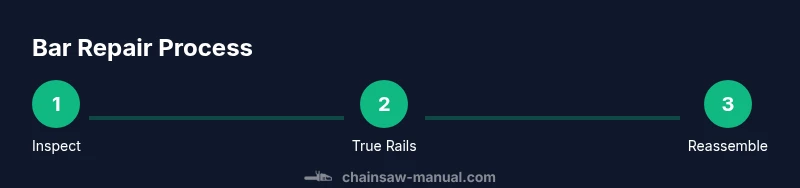
This section previews the repair process in high level terms before you dive into the detailed steps. You’ll start with a thorough inspection, then carefully remove the chain and bar, assess warping or wear, decide whether to straighten or replace, and reassemble with correct tension. Finally, you’ll test the setup with a controlled cut to confirm safe operation. The goal is to ensure you follow a logical sequence that minimizes risk and maximizes accuracy.
Regular Maintenance and Lubrication for Longevity
Even the best bar benefits from a routine care plan. Regular cleaning reduces debris buildup in the groove and rails, helping the chain track smoothly. After each use, wipe the bar and apply a light film of bar oil to prevent rust and reduce wear. Maintain proper chain tension according to the manufacturer’s guidelines, and check the nose and rails for grooves every few cuts. Proper lubrication, tension, and cleaning extend bar life and improve cutting efficiency over time. The Chainsaw Manual Team emphasizes that prevention is cheaper than repair, especially when cutting dense wood or working in dusty environments.
When to Repair vs Replace the Bar: A Practical Guide
Not every bar damage is worth repairing. If the rails are deeply grooved, the nose is visibly bent, or the groove width has worn beyond a safe tolerance, replacement is often the safer option. For light wear or minor burrs, repair steps such as deburring, truing rails, and re-lubrication can restore performance. Consider your cutting demands, cost considerations, and availability of replacement bars when deciding. The decision should prioritize safe operation and consistent chain tracking. Chainsaw Manual recommends evaluating risks and choosing the option that preserves control and reduces kickback potential.
Common Mistakes to Avoid During Bar Repair
Avoid attempting to straighten a severely warped bar with improvised tools. This can crack the bar or alter rail alignment, increasing kickback risk. Don’t neglect cleaning; debris in the groove or on the rails creates resistance and accelerates wear. Do not retighten the chain without confirming track alignment; a misaligned chain can derail and cause injury. Finally, skip safety checks after reassembly—test the saw under controlled conditions only after confirming proper tension, alignment, and lubrication.
Advanced Techniques: Filing and Sharpening the Bar's Rail and Chips
Advanced bar maintenance may include careful rail filing to restore a flat, true track and deburring the groove to ensure smooth chain movement. Use a thin flat file to lightly remove burrs and verify both rails remain parallel. Maintain the correct rail height by comparing with a straight edge. While this is more technical, it can extend bar life when done with proper tools and care. If in doubt, consult the Chainsaw Manual for model-specific guidance and tasks that require specialized equipment.
Tools & Materials
- Bar wrench / bar nut tool(For mounting/dismounting bar from the saw)
- Socket wrench or hex keys(To remove screws and fasteners)
- Flat file(To true rails and deburr the groove)
- Round file(For precise filing along curved rail areas)
- Bar gauge / straight edge(Check straightness of rails and alignment)
- Cleaning solvent and rags(Remove debris from groove and rails)
- Replacement bar(Only if bar is damaged beyond repair)
- Bar oil(Lubricate rails after repair)
- Chain oil(Lubricate chain during setup)
- PPE kit (gloves, eye protection, hearing protection)(Always wear safety gear)
- Chain removal tool or pliers(Detach chain safely before work)
- Small brush or scraper(Clean grooves and rails)
Steps
Estimated time: 45-75 minutes
- 1
Power off and secure
Disconnect power or remove battery, engage chain brake, and place the saw on a stable work surface. This prevents accidental starts while you inspect or adjust the bar.
Tip: Double-check that the chain is immobilized before touching any moving parts. - 2
Remove the bar cover and chain
Loosen the bar mounting nut and lift the bar away from the saw. Remove the chain from the bar so you can inspect the rails and groove clearly.
Tip: Keep track of the orientation of the bar for reassembly. - 3
Inspect for wear and warping
Look for bends at the nose, grooves along the rails, and any signs of uneven wear. Use a straight edge to check for warp in the bar rails.
Tip: If you see a noticeable bend or deep grooves, plan for replacement. - 4
Deburr and true the rails
Carefully file burrs from the groove and lightly true any uneven rails. Ensure both rails sit evenly against a straight edge.
Tip: Do not over-file; remove only a minimal amount to avoid altering rail height. - 5
Clean the groove and rails
Use solvent and a brush to remove debris from the groove and rails. Wipe dry before reassembly to prevent moisture from causing rust.
Tip: A clean groove improves chain tracking and reduces wear. - 6
Reinstall chain and bar
Place the bar back into position, thread mounting hardware, and reinstall the chain along the guide groove. Ensure correct orientation and seating.
Tip: Keep tension moderate during initial reassembly to avoid chain skipping. - 7
Tension, lubrication, and test
Tension the chain according to the manufacturer’s spec and apply bar oil. Power the saw on and perform a controlled, low-pressure cut to verify tracking and safe operation.
Tip: If the saw behaves oddly or chain derailment occurs, stop and re-check alignment.
FAQ
Can I continue using a chainsaw with a bent bar?
No. A bent bar can cause uneven cuts and increase kickback risk. Stop using the saw and repair or replace the bar before resuming work.
No. A bent bar can cause dangerous kickback and uneven cuts. Stop using the saw and repair or replace the bar before continuing.
How do I know if the bar rail is worn beyond repair?
Look for visible grooves, burrs, or a warped appearance. If a straight edge shows gaps or the rails aren’t parallel, replacement is often the safer choice.
Look for grooves, burrs, or a warped rail. If a straight edge shows gaps or misalignment, replacement is usually safer.
Should I file the rails or replace the bar?
Minor burrs and light wear can be addressed with filing and deburring. Deep grooves or pronounced warp typically require replacement for safe operation.
Minor burrs can be filed, but deep grooves or warp usually means you should replace the bar.
What safety gear is essential when repairing a bar?
Wear cut-resistant gloves, eye protection, and hearing protection. Ensure the chain is secured and the saw is powered off before starting work.
Wear gloves, eye and ear protection, and secure the chain. Make sure the saw is powered off before you start.
Where can I find the right replacement bar?
Check the manufacturer’s site or reputable chainsaw suppliers for your model. Refer to your owner’s manual for compatible bar lengths and mounting types.
Check the manufacturer or reputable suppliers for your model’s compatible bar. Your manual lists the right length and mount.
Watch Video
The Essentials
- Inspect rails and nose daily to catch wear early
- Use proper tools to true rails and deburr grooves
- Replace the bar if the rails are severely worn or bent
- Maintain correct chain tension and lubrication after every repair