How to Clean a Chainsaw Bar: Safe Maintenance Guide
Learn how to clean a chainsaw bar safely with step-by-step instructions, essential tools, and pro tips from Chainsaw Manual. Improve performance, prevent wear, and extend bar life.


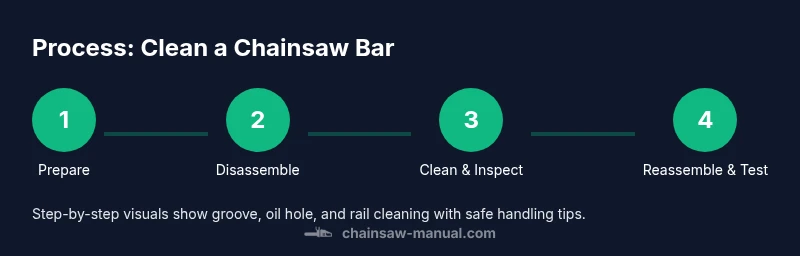
This guide helps you clean a chainsaw bar safely and effectively to improve cutting performance and extend tool life. You will learn how to prepare tools, remove the bar and chain, clean the groove and oil passages, inspect for wear, and reinstall everything correctly. Safety gear and a stable workspace are essential before you begin. Follow the step-by-step process with recommended tools and best practices from Chainsaw Manual.
Why the clean chainsaw bar matters
A clean chainsaw bar is essential for reliable cutting performance and long bar life. When the bar groove, oil holes, and rails accumulate sap, resin, sawdust, and bar oil residue, lubrication is obstructed and heat builds up. This can increase friction, accelerate wear, and even cause dangerous kickback if the chain doesn’t track properly. Regular attention to the bar helps maintain proper oil delivery and reduces the risk of chain derailment. In the long run, a well-maintained bar means fewer downtime moments on the job and smoother, safer cuts. By focusing on the bar, you also protect the drive sprocket and chain, since clean surfaces allow optimal chain alignment and reduced heat buildup.
Chainsaw Manual emphasizes that maintenance starts with keeping the bar surface clean and free of debris. The goal is to preserve the integrity of the bar and ensure consistent lubrication. The act of cleaning the bar is not a one-off task; it should be integrated into your routine maintenance after heavy use or when you notice a drop in cutting efficiency. This section explains why a clean chainsaw bar matters at every stage of your work, from firewood gathering to professional timber work.
Safety and preparation considerations
Before you touch the bar, ensure you’re wearing appropriate PPE and working in a well-ventilated, stable space. Put on cut-resistant gloves, safety glasses, and hearing protection. Engage the chain brake and secure the saw on a non-slip surface to prevent accidental movement during disassembly. If you’re working near fuel, keep it away from ignition sources and wipe up spills promptly. A cool, clean workspace helps you see burrs and nicks more clearly and reduces the risk of accidents. The goal of safety steps is to protect you while you perform precise cleaning actions on the bar and chain.
Plan your sequence so you don’t lose small parts. Keep fasteners in labeled containers, and work slowly to avoid accidental contact with the chain. If you’re new to bar maintenance, work with a partner or consult the Chainsaw Manual Team for guidance. After you finish, recheck all connections before starting the saw again to ensure everything is aligned correctly.
Understanding bar components and contaminants
The bar consists of the rail, groove, oil holes, and drive-end. Contaminants such as resin, pitch, wood sap, and old bar oil can gum up internal passages and the groove, reducing lubrication and increasing friction. Burrs inside the groove can cause the chain to ride high or low, leading to uneven wear on the bar. Understanding these components helps you target the cleaning workflow without damaging critical parts. Regular inspection for signs of wear, such as scoring along the groove or warping at the bar head, allows timely replacement and safer operation.
Cleaning cadence and when to clean
How often you clean the bar depends on usage, wood type, and environmental conditions. In dusty or resin-rich environments, inspect after every heavy cutting session and clean as needed. For homeowners with occasional cutting, a thorough clean every 8–12 hours of runtime is reasonable. The aim is to maintain clean oil channels and a smooth groove so that the chain receives consistent lubrication. Consistency matters more than the exact interval, so adapt to your workload and note which schedule yields the best performance.
Choosing the right cleaners and tools
Select a mild degreaser or solvent compatible with metal and coatings. Avoid fuel or aggressive solvents that can degrade bar finish. The tools you choose matter: a stiff nylon brush, a small wire brush, a flat scraper, and soft rags for final drying. Use warm water with mild soap for the final rinse to remove any residual solvent. The goal is to remove grime without scratching the bar rails or ingestion into the oil holes.
Common mistakes to avoid
Common mistakes include gouging the groove with metal tools, soaking the bar in solvent for too long, and failing to re-lubricate after cleaning. Avoid spraying cleaners directly into the oil holes with the bar installed; this can push solvent into areas it shouldn’t reach. Do not operate the saw with the bar disassembled; always reassemble fully before testing. These missteps can compromise bar integrity and create safety hazards during use.
Reassembly checks and testing
After cleaning, reinstall the bar and chain with the correct orientation and tension. Check that the chain runs smoothly along the bar and that the oiling channel is clear. Start with a brief idle to confirm there’s no binding, then perform a light test cut in soft wood to verify proper tracking and lubrication. If you notice unusual noise or heat, stop immediately and recheck alignment. This ensures the next cut is safe and efficient.
Pro tips for extended bar life
Keep a small spare bar if you frequently switch between wood types or job sites. Clean the bar after each heavy session and replace worn parts proactively. Regularly inspect the bar for warping or cracks and address issues before they escalate. By integrating these habits, you’ll maintain consistent cutting performance and reduce downtime. Also consider labeling usage patterns to track when to service or replace bars.
When to service professionally
Very high wear or damaged bars may require professional resurfacing or replacement. If you see cracks, severe warping, or the groove has worn beyond spec, consult a qualified technician. Chainsaw Manual recommends routine checks by a pro if you are unsure about the bar’s condition; a trained eye can prevent a catastrophic failure in the field.
Tools & Materials
- Heavy-duty work gloves(Protect hands from burrs and sharp edges)
- Safety glasses or goggles(Eye protection from splashes and debris)
- Stiff nylon brush(Scrub groove and rails without scratching)
- Flat blade scraper or putty knife(Clean bar groove and oil holes)
- Soft toothbrush or detail brush(Reach tight spots in grooves)
- Mild degreaser or non-chlorinated solvent(Soften grime; avoid fuel)
- Warm water and mild soap(Rinse residue after cleaning)
- Lint-free rags or microfiber cloths(Dry and wipe surfaces)
- Bar oil (fresh)(Lubricate after reassembly)
- Marker or chalk (optional)(Mark bar orientation before disassembly)
Steps
Estimated time: 20-40 minutes
- 1
Clear workspace
Move debris off the work area and place the saw on a stable surface. Put on gloves and eye protection before you touch tools. This reduces slip hazards and protects you while you inspect parts.
Tip: Check that the saw is cool before handling parts - 2
Engage chain brake
Engage the chain brake to prevent the chain from moving during disassembly. A locked chain reduces the risk of injury while you remove the bar and chain.
Tip: Double-check that the brake fully engages - 3
Remove the chain
Loosen the chain tensioner and lift the chain off the bar. Keep chain links organized to avoid mix-ups during reassembly.
Tip: Keep the fasteners in a labeled tray - 4
Remove the bar
Lift the bar from the mounting bolts after the chain is clear. Be mindful of sharp edges and the oil holes.
Tip: Note the orientation marks to reinstall correctly - 5
Scrape groove and oil holes
Use a flat scraper to clear the groove and access oil holes. Do not gouge the groove; gentle scraping is enough to remove built-up grime.
Tip: Wipe the scraper clean between passes - 6
Clean rails and exterior
Scrub the rails and outer surfaces with a nylon brush to remove resin and dust. Rinse with warm soapy water and dry thoroughly.
Tip: Avoid soaking the bar in solvent for long periods - 7
Inspect for wear
Check the groove width, rail wear, and any burrs. Replace the bar if you notice scoring, warping, or cracks.
Tip: Measure with a caliper if available - 8
Reinstall bar and chain
Reattach the bar first, then place the chain back on and check alignment with the sprocket. Ensure the chain sits in the groove before tensioning.
Tip: Use orientation marks if you marked them earlier - 9
Tension and test
Tension the chain to spec and run the saw briefly to check for smooth operation. If you hear binding or see mis-tracking, stop and recheck.
Tip: Do a quick test cut in soft wood to confirm proper tracking
FAQ
How often should I clean the chainsaw bar?
Frequency depends on use and environment. Clean after heavy use or when you notice reduced cutting efficiency, resin buildup, or oiling issues. In dusty or resin-rich conditions, inspect and clean more often.
Clean after heavy use or when you notice resin buildup or poor oiling. In dusty environments, inspect more frequently.
Can I use household solvents to clean the bar?
Avoid gasoline or harsh household solvents. Use a mild degreaser or non-chlorinated solvent compatible with metal and coatings. Rinse with warm water after using any solvent.
Avoid gasoline and harsh solvents; use a mild degreaser and rinse well.
What if the oil holes are clogged?
Use a small brush or a thin wire to clear oil holes gently. Do not force debris that could damage the passageways. Recheck with a light spray of oil to confirm flow.
Gently clear clogged oil holes with a brush; avoid forcing debris.
How do I know if the bar needs replacement?
Look for deep grooves, cracks, warping, or excessive wear that affects tracking. If in doubt, consult a professional or replace to prevent failures during use.
Deep wear, cracks, or warp mean replacement is recommended.
Should I sharpen the chain before cleaning?
You can sharpen before or after cleaning. Cleaning first helps you see burrs clearly; however, dull chains should be addressed separately for safety and performance.
Sharpening can come before or after cleaning; assess chain condition first.
Is there a risk of injury during bar cleaning?
Yes. Bar cleaning involves sharp chain teeth and metal parts. Always disconnect power, engage brakes, and wear PPE. Move slowly and keep hands away from moving parts.
Yes. Use chain brakes, PPE, and go slowly to avoid injuries.
Watch Video
The Essentials
- Always wear PPE and keep the workspace stable.
- Use proper tools to avoid damaging the bar groove.
- Clear oil paths and fine burrs for optimal lubrication.
- Reassemble correctly and test before heavy work.
- Incorporate bar cleaning into routine maintenance.