Fix My Chainsaw: Safe Step-by-Step Repair Guide
Learn to diagnose and safely fix common chainsaw issues with this Chainsaw Manual guide. Practical repairs, essential safety gear, and maintenance tips to keep your saw running strong.


This guide helps you diagnose and safely fix common chainsaw problems, from ignition and fuel issues to air flow and chain tension. You’ll learn hands-on repair steps, required safety gear, and when to replace parts. By the end, you’ll be equipped to fix my chainsaw efficiently and reduce downtime.
Why fix my chainsaw now
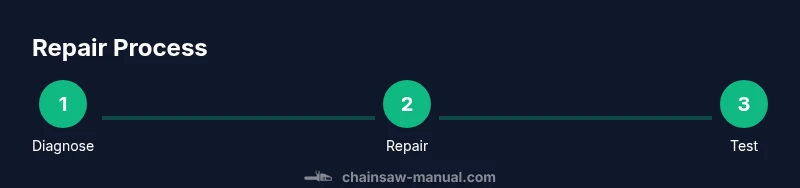
When a chainsaw balks at starting, loses power, or runs rough, delaying a fix can worsen damage and create unsafe operating conditions. Addressing issues early reduces the risk of kickback, fuel leaks, or chain derailment. According to Chainsaw Manual, a structured approach—beginning with safety checks and ending with tested operation—minimizes downtime and prolongs tool life. This section explains why timely repair matters and sets the stage for a practical, safe repair workflow. By following the steps below, you’ll gain confidence while keeping yourself and bystanders protected. The goal is to restore consistent performance without compromising safety or reliability. If at any point you feel uncertain, stop and reassess using the diagnostic flow in the next sections.
Safety first: PPE and pre-checks
Personal protective equipment (PPE) is non-negotiable when working on any cutting tool. Always wear a hard hat, eye protection, hearing protection, cut-resistant gloves, and steel-toed boots when near the chain and bar. Before touching the saw, ensure it is on a stable surface and the chain brake is engaged. Remove the battery or disconnect the spark plug wire to prevent accidental starts. Work in a well-ventilated area away from sparks or open flames. Performing a quick pre-check helps you identify obvious hazards—like fuel spills, loose nuts, or damaged guards—before you begin more involved repairs. These precautions align with best practices from Chainsaw Manual and reduce the likelihood of injury.
Common symptoms that signal repair is needed
Diagnosing the problem starts with listening for abnormal noises, observing power loss, and noting unusual vibration. Symptoms such as hard starting, rough idling, stalling under load, excessive smoke, or fuel leaks point to issues in the fuel system, ignition, or air intake. A loss of compression or difficulty maintaining chain speed often indicates mechanical wear or misadjustment. Document each symptom, including when it occurs and under what load, to guide the repair path. Remember: many fixes involve simple adjustments, but some require component replacement. This section helps you map symptoms to likely causes and prioritize actions.
Tools and parts you’ll need
Before you begin, gather the essentials: a spark plug wrench, small screwdrivers, a set of metric wrenches or sockets, needle-nose pliers, carburetor cleaner, and clean rags. Have replacement parts on hand—spark plug, air filter, fuel lines, and bar oil filter—so you can perform quick swaps if wear or damage is found. A catch tray or old sheet to protect your work surface is useful for catching fuel drips. Also, keep a small container of fresh fuel-oil mix that matches your saw’s specifications. Having the right tools and parts ready makes the diagnostic-and-repair flow smoother and safer.
Step-by-step diagnostic flow (high level)
Start with a top-to-bottom check: clean, inspect, and test. Begin by removing the spark plug cover, inspecting the spark plug for wear, fouling, or improper gap. Check the air intake for obstructions and confirm the air filter is clean or replace it if necessary. Inspect the fuel system for stale fuel, clogged lines, or a blocked carburetor. Verify chain tension and brake function. Finally, perform a controlled restart to observe performance with the chain off the saw. This diagnostic flow, when done methodically, reveals the root causes and prevents unnecessary component swaps.
Basic maintenance tasks you can safely perform
Regular cleaning and inspection keep your saw reliable. Wipe down the exterior and remove debris from the cooling passages. Clean or replace the air filter to ensure adequate air flow. Inspect the spark plug gap and replace if worn. Check the chain tension, lubrication path, and bar oil level. Lubricate moving parts per the manufacturer’s recommendations. These routine maintenance steps reduce sudden failures and extend tool life, especially when you’re partaking in do-it-yourself repairs.
Spark plug checks and replacement
The spark plug provides the ignition spark that starts the combustion cycle. Remove the plug and examine the electrode for wear, fouling, cracking, or excessive erosion. If the plug is dark and oily, it may be oil-fouled; if it’s light or white, the fuel mix could be too lean. Adjust the gap to the manufacturer’s specification and replace if needed. Always use the recommended heat range and type. Reinstall securely, and re-check the boot connection during the test run. A good spark plug is often the defining factor between a stubborn start and smooth operation.
Air filter and carburetor basics
A clogged air filter starves the engine of air, causing power loss and rich starting behavior. Check the filter housing, remove the filter, and clean or replace it as required. While you’re here, inspect the air intake duct for cracks or loose fittings. The carburetor controls the fuel-air mixture; if it’s dirty, the engine may stall or surge. Use a carburetor cleaner spray to dislodge varnish or gum deposits and consider a professional rebuild if the mixture control seems out of spec. Clean components enable efficient combustion and stable idle.
Chain tension, bar, and lubrication
An overly tight or loose chain leads to poor cutting performance and potential safety hazards. Re-tension the chain according to the manufacturer’s guidelines, ensuring the chain moves freely without sagging from the bar groove. Inspect the chain for dull or chipped teeth and sharpen or replace as needed. Verify the bar oiling system; a clogged oil passage will starve the chain of lubrication, increasing wear. Regularly cleaning the bar groove and ensuring clean fuel also helps maintain steady lubrication and reduces heat buildup.
Fuel, oil, and priming: getting the mix right
Using fresh fuel and proper oil-to-gas ratios is essential for optimal performance. If your saw uses two-stroke oil, mix according to the manufacturer’s ratio and avoid stale fuel. Check the fuel cap vent to ensure air can enter the tank for proper flow. Inspect fuel lines for cracks or leaks and replace as needed. When priming the carb, avoid flooding; a few taps on the primer bulb should suffice. Correct fuel handling prevents poor performance, starting trouble, and long-term engine damage.
When to seek professional service
Some repairs exceed basic DIY tasks, for example complex carburetor overhauls or damaged internal components. If you’ve performed the diagnostic steps without restoring performance, or you notice ticking, knocking, strong fuel odor, or a loss of compression, professional service is advised. A certified technician can perform a proper diagnosis, calibrate the carburetor, and advise on part replacements. Chainsaw Manual recommends seeking help for safety-critical repairs to avoid injury and ensure compliance with warranty terms.
Long-term preventive maintenance plan
Create a simple maintenance calendar that aligns with your usage. Schedule regular cleaning after use, periodic air filter and spark plug checks, and bar oil level verification. Keep a log of repairs, part replacements, and observed symptoms to identify recurring problems. This proactive approach reduces downtime and prolongs tool life, especially for professionals who rely on consistent performance. By documenting maintenance activities, you’ll be prepared for warranty review or professional servicing.
Conclusion and what you’ve learned
This guide has walked you through diagnosing common chainsaw issues, safe repair practices, and essential maintenance routines. By organizing your repair process, using the right tools, and following safety protocols, you can fix my chainsaw effectively while protecting yourself and others. The techniques shared here emphasize careful observation, methodical testing, and timely part replacement to restore performance. Remember to consult the specific chainsaw model manual for adapter and torque specs and always prioritize safety over speed.
Tools & Materials
- Spark plug wrench(Used to remove/seat spark plug.)
- Flat-head screwdriver(For removing covers or adjusting components.)
- Phillips screwdriver(General fastener adjustments.)
- Socket/wrench set (metric)(Lug nuts and carb/engine fasteners.)
- Needle-nose pliers(Grip small parts and fuel lines.)
- Carburetor cleaner spray(Dissolves varnish and gum in jets.)
- Rags/paper towels(Clean spills and wipe surfaces.)
- Replacement spark plug(Keep a spare on hand.)
- Replacement air filter(Stock on hand for dirty filters.)
- Replacement fuel line and filters(Used if lines show wear or cracks.)
Steps
Estimated time: Estimated total time: 90-120 minutes
- 1
Power off and access the spark plug
Disconnect the spark plug boot and remove the cover to access the spark plug. This prevents accidental starts during inspection. Check for visible wear and gunk on the electrode.
Tip: Wait for any hot components to cool before handling. - 2
Inspect symptoms and document
Note starting behavior, idling stability, and any unusual sounds. Document when the issue occurs to guide the diagnosis and avoid guessing.
Tip: Take photos of worn parts for reference. - 3
Evaluate the fuel system
Check fuel quality and connections. Inspect for stale fuel, blocked lines, or a stuck primer. Replace fuel with fresh mix if necessary.
Tip: Avoid using old fuel; stale mix can gum up jets quickly. - 4
Clean or replace the air filter
Remove the air filter and inspect for dirt or oil contamination. Clean if washable; replace if clogged or damaged.
Tip: A clean air filter improves idle stability and power. - 5
Check spark plug condition and gap
Inspect the electrode; clean minor fouling or replace if worn. Set the gap to the manufacturer’s spec before reinstall.
Tip: A properly gapped plug is essential for reliable starting. - 6
Inspect carburetor and fuel lines
Look for varnish, gum, or air leaks. Clean jets with carb cleaner and replace damaged lines as needed.
Tip: Do not force jets; use gentle cleaner to avoid damage. - 7
Test ignition and compression basics
Check ignition timing if you have the tool; listen for a consistent pulse. If compression feels weak, there may be mechanical wear.
Tip: If compression is low, avoid over-revving to prevent damage. - 8
Reassemble and safety-test
Reinstall all covers, reconnect the spark plug, and perform a cautious startup with the chain brake engaged. Verify that there are no leaks and the chain spins freely when engaged.
Tip: Wear PPE during final test run and test on a stable surface.
FAQ
What is the first step to fix my chainsaw?
Power off and disconnect the spark plug before touching any internals. Then inspect for obvious fuel or air issues and loose components.
Power off the saw and unplug the spark plug, then check for obvious fuel or air problems and any loose parts.
Can I fix a chainsaw with a dirty carburetor by myself?
Yes, carburetor cleaning is often doable with proper sprays and careful jets cleaning. If performance remains inconsistent, a professional overhaul may be required.
Yes, you can clean the carburetor yourself, but if performance stays inconsistent, consider a professional overhaul.
How often should I replace the spark plug?
Check the spark plug during routine maintenance; replace if worn, fouled, or if the gap cannot be set accurately. Regular replacement helps reliable starts.
Check and replace the spark plug if worn or fouled to ensure reliable starts.
Is it safe to test-fire after repairs?
Yes, perform a controlled test with the chain brake engaged and PPE in place. Observe for smooth operation and no leaks or unusual noises.
Yes, test carefully with the chain brake on and PPE on, watching for smooth operation.
What tools do I need for a basic fix?
You’ll need basic hand tools, a spark plug wrench, carb cleaner, and replacement parts. Having a small parts tray helps keep everything organized.
Essential tools include basic hand tools, a spark plug wrench, carb cleaner, and replacement parts.
When should I seek professional service?
If the saw still runs poorly after basic diagnostics, or you suspect internal damage, a professional technician should assess the carb, ignition, and compression.
If problems persist after DIY checks, seek a professional to inspect carburetor, ignition, and compression.
Watch Video
The Essentials
- Diagnose with a systematic, safety-first approach.
- Keep replacement parts on hand for quick fixes.
- Regular maintenance prevents major failures.
- Test after repairs using controlled, careful trials.