How to Fix Chainsaw: A Safe Troubleshooting Guide for 2026
Learn how to fix chainsaw problems with a safety-first, step-by-step approach. Diagnose starting issues, inspect fuel, spark, air, and carburetor, then repair or replace worn parts with practical, non-expert guidance from Chainsaw Manual.


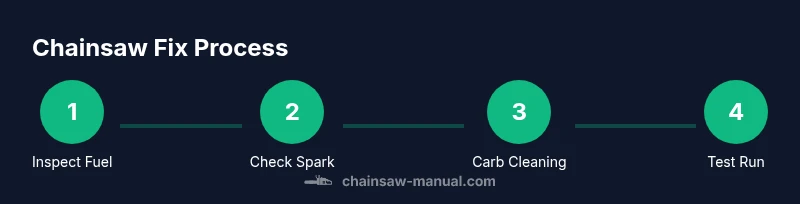
By following this guide, you will diagnose and fix common chainsaw problems at home, safely and cost-effectively. You’ll learn how to inspect the fuel and ignition systems, clean the air filter, and perform basic carburetor adjustments or replacements. This step-by-step approach emphasizes safety and known-good practices from Chainsaw Manual. Expect hands-on tasks, required tools, and warning signs that indicate when to stop and seek professional help.
Why This Guide Helps Homeowners and Pros
Fixing a chainsaw, when done with proper safety steps, can save time and money and prevent unnecessary downtime on job sites or in the yard. This guide focuses on practical, tested methods you can perform with common hand tools and minimal disassembly. It emphasizes the core areas most failures originate from: fuel delivery, ignition reliability, air intake, and the carburetor. According to Chainsaw Manual, staying methodical reduces risk and increases the chances of a successful repair. Throughout, you’ll see real-world examples, safety reminders, and checklists to keep you organized as you work toward resolving the most frequent issues. The underlying goal is simple: restore reliable starts, smooth idling, and steady power without rushing or improvising dangerous shortcuts.
In many cases, the fix is not expensive or exotic; a worn gasket, a clogged air inlet, or aged fuel can cause symptoms that mimic far more expensive problems. By approaching the repair with a plan, you’ll learn to verify each subsystem before moving to the next. This mindset is especially valuable for homeowners who rely on their saw for firewood, property maintenance, or small-scale milling. The Chainsaw Manual team believes that a safe, repeatable process beats guesswork every time. With patience, you’ll reduce the risk of kickback, fuel spills, and hot surfaces while keeping your equipment in top condition.
Safety First: PPE and Safe Procedures
Working on a power tool like a chainsaw carries inherent risks. Before you touch any components, put on sturdy gloves, eye protection, and hearing protection if you’re near the exhaust. Work in a well-ventilated area away from open flames or fuel sources. If you must drain fuel or disconnect the spark plug, do so with the engine cool to avoid burns or vapor ignition. Keep a metal container for old fuel and a fire-safe rag for wiping hands and parts. Always treat the bar and chain as sharp until you verify it’s fully secured. When in doubt, consult a professional and defer to manufacturer service intervals.
Common Symptoms Indicating a Fix Is Needed
A variety of symptoms can indicate a problem worth diagnosing. If the saw struggles to start, dies after starting, or stalls under load, inspect the basics first: fuel quality and delivery, air supply, and spark. A rough idle, bogging under load, or reduced throttle response often signals carburetor or intake issues. Leaking fuel, white or blue smoke, or a strong fuel smell points to fuel system problems. In some cases, wear on the muffler, exhaust port, or chain brake can affect performance and safety. Use a systematic approach to narrow down the root cause rather than chasing symptoms. This is how you ensure a correct fix the first time.
Inspecting the Fuel System and Carburetor
The fuel system is a frequent culprit in starting and running problems. Start by inspecting the fuel mix ratio and ensuring you’re using fresh, properly mixed 2-stroke fuel. Look for stale odor or varnish around the tank and lines. Check for cracks or kinks in fuel lines and confirm the fuel filter isn’t clogged. If your saw is carbureted, remove the carburetor side cover and inspect the jets for varnish buildup. A light carburetor cleaning with the right spray, following the manufacturer's recommendations, can restore spray patterns and throttle response. If the problem persists after cleaning, consider a rebuild or replacement of the diaphragms and gaskets.
Ignition System Checks: Spark Plug and Coil
A dead or weak spark can prevent starting or cause misfires. Remove the spark plug and inspect the electrode for fouling, glazing, or excessive wear. If fouled, clean with a small wire brush and inspect the gap with a gauge; replace if the gap is out of specification. Check the spark plug boot for cracks and ensure a solid ground with the cylinder head. If you don’t see a spark when testing with the plug connected to a known-good wire, the ignition coil or wiring may be at fault. When in doubt, replace the spark plug first, which is a quick and inexpensive diagnostic step that often resolves many issues.
Air Filter, Exhaust, and Bar Considerations
A clogged air filter reduces air flow, causing weak starting or sluggish performance. Remove the air filter and inspect it for oil saturation, tears, or heavy debris. Clean if possible, or replace if damaged. While you have the filter out, inspect the air intake path for blockages and ensure the carburetor’s choke and throttle linkage move freely. At the exhaust end, check for a plugged muffler screen or carbon buildup in the exhaust port, which can choke power and cause backfires. Finally, inspect the bar groove and chain for tightness and proper seating; a loose or misaligned chain can feel like a power issue when under load.
Carburetor Cleaning and Basic Repair Basics
Carburetor cleaning is often the difference between a stubborn saw and a responsive engine. Start with a thorough external wipe-down, remove the top cover, and disconnect the linkage to access the carb body. Use a carburetor cleaner spray to dampen jets, and blow these passages clear with compressed air if available. Reassemble carefully, ensuring seals and gaskets are seated properly. If symptoms persist after cleaning and inspection, a rebuild kit may be necessary to restore original fuel metering. In some cases, carburetor failure requires professional service to avoid damaging the engine.
Reassembly, Start-Up Procedure, and Tuning
With components cleaned and reassembled, return to a controlled start-up environment. Begin with a rich idle setting if your saw is balky, then gradually lean the mixture as the engine warms. Check for smoke, unusual noises, or backfires; these signals indicate you should stop and reassess. Make small adjustments, test in short bursts, and document any changes so you can replicate a stable, safe starting sequence. Always ensure the chain brake is engaged during setup and remove it only when you’re ready to test under light load conditions. This careful approach helps you avoid injury and confirms the fix is persistent.
When to Seek Professional Help and Maintenance Schedule
If your diagnostic steps do not restore reliable operation, or you encounter cracked components, deep carburetor damage, or low compression, professional repair is warranted. Regular maintenance—clean air, fresh fuel, and timely parts replacement—extends the life of your saw and reduces the risk of unsafe operation. Create a simple schedule: inspect fuel and air weekly during heavy use, check spark and ignition every few months, and perform a thorough carburetor service at least once per season in high-use environments. Proper maintenance keeps Chainsaw Manual’s guidance on track and emphasizes ongoing safety and reliability.
Tools & Materials
- Phillips head screwdriver(Sizes #2 and #1, with magnetic tip)
- Flat-head screwdriver(Medium blade for covers)
- Socket wrench set(8mm and 10mm sockets)
- Carburetor cleaner / spray(Non-chlorinated cleaner)
- Spark plug wrench(Includes gauge if possible)
- Replacement spark plug(Use only if fouled or worn)
- Air filter (new) or cleaning tools(Oil-free air filter option preferred)
- Small brush / old toothbrush(To scrub jets and covers)
- Chain oil(Fresh, appropriate viscosity)
- Chain file or sharpener(If sharpening is needed)
- Shop rag(For spills and dried residue)
- Safety PPE(Gloves, eye protection, hearing protection)
- Bench vise(Helpful for secure work)
- Fresh two-stroke fuel mix(Correct ratio for your model)
- Masking tape / label maker(Label disconnected hoses for reassembly)
Steps
Estimated time: 90-120 minutes
- 1
Secure and prepare the saw
Put the saw on a stable bench, engage the chain brake, and disconnect the spark plug boot. Let the engine cool if recently used. Remove the top cover to access major components. This initial setup prevents accidents and makes subsequent checks smoother.
Tip: Double-check that the chain brake is engaged before touching the chain or bar. - 2
Check and replace fuel as needed
Inspect the fuel mix for freshness; stale fuel can cause rough running. Replace with fresh two-stroke fuel according to the manufacturer’s ratio. If fuel lines show cracks, replace them to restore proper delivery.
Tip: Even a small amount of old fuel can cause starting issues; replace all old fuel in the system. - 3
Inspect the spark plug
Remove the spark plug and examine the electrode for fouling or wear. Clean or replace as needed; ensure the gap matches the spec for your model. Put a light coat of anti-seize or plug grease on the threads when reinstalling.
Tip: Always ground the plug to the cylinder head when testing for spark with a tester. - 4
Check the air intake and air filter
Remove the air filter and inspect for oil saturation or debris. Clean or replace the filter; ensure the air path to the carb is clear. A clogged path starves the engine of air and can mimic carburetor problems.
Tip: Clean the filter only with approved methods; avoid soaking filters in fuel. - 5
Inspect the ignition and fuel delivery lines
Test for a strong, consistent spark and inspect fuel hoses for cracks or kinks. Replace damaged lines and re-seat connectors to ensure proper fuel flow and ignition timing.
Tip: Do not twist or bend lines too sharply; replace if any signs of wear appear. - 6
Carburetor inspection and cleaning
Access the carburetor and inspect the jets and passages for varnish. Soak or spray jets, then blow passages with compressed air. Reassemble carefully, paying attention to gasket seating and linkage alignment.
Tip: A rebuild kit can fix worn diaphragms and gaskets if cleaning alone doesn’t restore performance. - 7
Muffler and exhaust checks
Inspect the muffler screen for buildup and the exhaust port for carbon deposits. Clean or replace as needed to improve exhaust flow and power delivery. Reassemble once clean and dry.
Tip: Be cautious near hot surfaces; allow cooling before handling exhaust components. - 8
Final assembly and slow-start test
Reassemble all components, re-check fasteners, and perform a cautious start test away from spectators or flammable materials. Listen for unusual noises and verify idle speed and low-end power. Refine mixture or timing if your saw has adjustable screws.
Tip: Keep hands, clothing, and hair away from the chain during startup tests. - 9
Document results and set maintenance reminders
Record what you did, what parts were replaced, and the engine’s response. Schedule future maintenance checks and stick to a routine to extend saw life and reliability.
Tip: A simple checklist helps you repeat the successful fix in the future.
FAQ
Why won't my chainsaw start?
Starting problems are usually due to fuel, spark, or air issues. Begin by checking fuel freshness and ratio, inspect the spark plug for corrosion or fouling, and confirm the air path is clean. If the saw still won’t start, proceed to a controlled carburetor inspection and, if needed, replacement of worn seals.
If your saw won’t start, check fuel and air first, then the spark. If that doesn’t help, inspect the carburetor for varnish or wear.
Can I fix the carburetor myself?
Carburetor work can be done at home if you’re careful and follow the manufacturer’s specs. Start with a thorough cleaning, inspect the jets for varnish, and consider a rebuild kit if diaphragms or gaskets appear worn. If performance remains inconsistent, professional service is advised.
Carburetor repair is possible at home with cleaning and careful parts inspection, but don’t push past limits; seek a pro if suspicious.
How often should I clean or replace the air filter?
Clean or replace the air filter whenever you notice increased resistance or reduced performance. In dusty environments, inspect weekly and replace as needed. A clean air path improves starting reliability and engine power.
Check the air filter often, especially in dusty work, and replace when dirty.
What are signs of a worn spark plug?
Signs include a fouled electrode, black oily deposits, or a gap out of spec. Replacing the plug and rechecking the gap typically resolves misfires and startup problems. If spark remains weak, verify ignition wiring and coils.
Look for a dirty or worn spark plug; replace and recheck the gap for best results.
Is it safe to run the chainsaw with stale fuel?
No. Stale fuel can cause hard starting or poor combustion and may foul the carburetor and plugs. Always use fresh, properly mixed fuel and store the mix in a sealed container away from heat and flames.
Stale fuel is a common cause of starting and running problems; use fresh fuel every time.
Do I need to remove the bar and chain to service the carburetor?
Usually, you can access the carburetor with the top cover off, but some models require partial bar removal. Follow the service manual for safe disassembly, ensuring the chain brake remains engaged until you’re ready to test.
In most cases you can access the carburetor without removing the bar, but check your manual.
Watch Video
The Essentials
- Identify root causes in fuel, ignition, and air systems first.
- Clean or replace components methodically to restore performance.
- Test with careful steps and record results for future maintenance.
- Never bypass safety protections; always engage chain brake during setup.
- When unsure, seek professional service to avoid injury.