How to Tighten Chain on a Stihl Chainsaw
Learn to safely tighten the chain on a Stihl chainsaw with this practical, detailed guide. Includes tools, step-by-step actions, safety tips, and maintenance practices to keep your saw performing at its best.


This guide explains how to tighten the chain on a Stihl chainsaw, emphasizing safety and correct tension for clean cuts. You’ll learn the exact steps to adjust the side tensioning screw and bar nuts, plus checks to confirm the chain sits properly on the bar. By following these steps, you’ll reduce kickback risk and prolong chain life. how to tighten chain on Stihl chainsaw
Why Proper Chain Tension Matters
According to Chainsaw Manual, proper chain tension is essential for safe operation and efficient cutting. A correctly tensioned chain minimizes derailment, reduces vibration, and improves cut accuracy. For anyone learning how to tighten chain on Stihl chainsaw, understanding tension is the foundation of safe, productive work. The Chainsaw Manual team found that poor tensioning contributes to premature wear and increased kickback risk, especially with aggressive cuts or dirty bars. This article focuses on safe, proven methods for Stihl models and offers practical, model-agnostic checks to confirm you’re in the right range.
Inadequate tension can cause drive links to pull away from the sprocket, while excessive tension may strain the bar and drive mechanism. Striking the balance requires attention to the bar’s position, the tensioning screw, and the bar nuts. We’ll cover variation among Stihl models, but the core principle remains consistent: tension should be firm enough to prevent slack but not so tight that the chain binds or binds against the guide bar.
If you’re unsure how to tighten chain on Stihl chainsaw, follow the step-by-step approach below, always pause if anything looks unusual (binding, excessive heat, or abnormal noises). By prioritizing safety and routine maintenance, you’ll keep your saw performing reliably over time.
Safety First: PPE and Setup
Before you touch the bar or tension screw, put on appropriate PPE: cut-resistant gloves, safety glasses or a faceshield, and hearing protection. Ensure the saw is completely powered down, the chain brake is engaged, and the engine has cooled if you’ve just finished a cut. Passive safety steps reduce the risk of injury if the chain unexpectedly moves.
Choose a stable, well-lit workspace on a solid surface. If you’re working outdoors, keep the area clear of bystanders and obstacles. A clean work area reduces the chance of dropping the saw or losing small parts. Safety first means you’ll complete the maintenance with fewer hazards and greater accuracy.
Tools and Materials You’ll Need
- Bar-nut wrench or appropriate driver for your Stihl model (check your user manual) – required
- Screwdriver (flat-head or Phillips, depending on model) – required
- PPE: gloves, eye protection, hearing protection – required
- Clean rag and small brush for bar and sprocket cleaning – optional but recommended
- Chain oil and a light lubricant for the bar – recommended
- Model-specific user manual or the Chainsaw Manual reference for torque and tension specs – recommended
Having these items ready ensures you can perform a safe, accurate tension check without delays.
Understanding Tension: What Good Tension Looks Like
Good chain tension means a snug drive link engagement with the bar’s groove, no excessive sag in the middle, and smooth movement when the chain is rotated by hand. A chain that’s too loose can derail or come off the bar during heavy cutting, while an overly tight chain increases friction, heat, and wear. When you perform a mid-span press test, you should feel only a light drag and little vertical slack. This balance keeps your cutting efficiency high and reduces kickback risk.
For someone asking how to tighten chain on Stihl chainsaw, this is the critical check: the chain should be able to move freely around the bar, but when you lift the chain from the bar’s bottom run, you should see the drive links seated in the groove without binding. If the chain binds at the bar or feels stiff to rotate, it’s too tight and you’ll need to loosen slightly.
Quick Overview: High-Level Tensioning Concepts
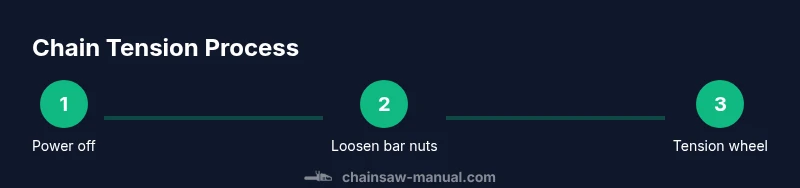
Tensioning involves two components on most Stihl models: the bar nuts and the tensioning screw on the saw body. Loosening the bar nuts allows the bar to flex slightly during adjustment. The tensioning screw then tightens or loosens the chain by pulling the bar toward the drive gear. After you set the tension, re-tighten the bar nuts to lock the bar in place. This sequence ensures stable tension during operation and reduces risk of bar and chain damage.
Beyond this mechanical step, consider integrating a routine: inspect for damaged drive links, ensure there’s no oil leakage from the bar oil system, and clean the groove to remove debris that can affect tension.
The Tensioning Process on Stihl: Key Techniques
The basic approach to tightening on many Stihl models is:
- With the saw powered off, engage the chain brake and place the bar on a stable surface.
- Slightly loosen the two bar nuts so the bar can move. Use a screwdriver if your model requires it to back off the tensioner screw.
- Turn the tensioning screw clockwise to tighten the chain; counterclockwise loosens. Stop when the chain sits snugly in the groove with a small amount of slack in the middle.
- Hold the bar in place and retighten the bar nuts securely. Recheck tension by rotating the chain by hand and testing mid-span slack.
Key tip: never force the chain to be overly tight, and always verify after a few minutes of cutting that nothing has shifted.
After Tension: Final Checks and Lubrication
With the tension set and the bar nuts tightened, spin the chain by hand and watch for smooth movement. Confirm the chain’s tension remains consistent across the bar by rotating the chain a full cycle. Lubricate the bar and chain according to your saw’s lubrication schedule to prevent heat buildup and wear.
Run the saw briefly at idle with the chain brake released in a safe, controlled environment. Listen for unusual noises, and watch for any binding or heat build-up. If anything seems off, stop and re-evaluate tension and alignment.
Common Mistakes and How to Fix Them
Common errors include overtightening, which strains the bar and increases heat, and under-tightening, which allows the chain to rub and derail. Another mistake is failing to clean the groove, which can trap debris and affect tension. Always verify the alignment of the drive links with the groove and sprocket before you reassemble. If you cannot reach the correct tension, consult the model’s manual to verify the proper procedure for your Stihl model.
Maintenance for Long-Term Chain Health
After tensioning, commit to a routine maintenance schedule. Check tension before every major cut and after the first few passes, especially if you’re cutting hardwood. Regularly clean the bar groove, drive links, and oil holes so tension remains consistent. Replace worn or damaged drive links and bar if necessary, and store the saw in a dry, clean environment to prevent rust or corrosion.
Next Steps: Practice Safely and Inspect Regularly
Tensioning a chain on a Stihl chainsaw is a precise skill learned with practice. Start with slow, small cuts in a safe environment to observe how the tension holds during operation. Maintain PPE, monitor chain wear, and keep a log of tension checks. By building a routine, you’ll improve efficiency and prolong your tool’s life.
Tools & Materials
- Bar-nut wrench or compatible driver(Check model spec; some models use a socket or hex key)
- Screwdriver (flat or Philips as needed)(Used to adjust tensioning screw on some models)
- PPE (gloves, safety glasses, hearing protection)(Vital for safe handling and visibility)
- Rag/brush for cleaning bar groove(Keeps groove free of debris during tensioning)
- Bar oil and chain lubricant(Maintain proper lubrication for smooth operation)
Steps
Estimated time: 15-25 minutes
- 1
Power off and secure the saw
Ensure the engine is off and cooled. Engage the chain brake, then place the saw on a stable surface. This initial safety check prevents accidental chain movement during tensioning.
Tip: Always wear PPE before handling the chain or bar. - 2
Loosen the bar nuts slightly
With the brake engaged, loosen the two bar nuts enough so the bar can move slightly. This creates the room needed to adjust tension without forcing components. Do not remove the nuts entirely.
Tip: If the nuts are stubborn, use a small amount of penetrating oil and wait a minute before retrying. - 3
Adjust tension with the side screw
Locate the tensioning screw on the side of the saw body. Turn the screw clockwise to tighten the chain and counterclockwise to loosen. Stop once the chain sits in the groove with a small amount of slack.
Tip: Make small adjustments and test after each turn; avoid over-tightening. - 4
Check chain tension mid-span
Manually rotate the chain around the bar and press the mid-span with a gloved finger. The chain should have slight resistance but not sag excessively.
Tip: If the drive links bind, you may have overtightened or debris may be interfering. - 5
Retighten the bar nuts
With the tension set, re-tighten the bar nuts securely. Confirm the bar no longer shifts under light finger pressure.
Tip: Double-check that the bar is parallel to the mounting surfaces to prevent uneven tension. - 6
Test rotation and lubrication
Rotate the chain by hand to ensure smooth motion. Apply bar oil if needed and ensure the oiling system is functioning during a brief idle run.
Tip: Listen for unusual noises; heat or grinding can indicate misalignment. - 7
Final safety check
Return the chain brake off only after you’re confident the chain remains tensioned and the bar is clean. Do a quick visual inspection for any signs of wear or misalignment.
Tip: If anything looks unsafe, stop and re-check all components. - 8
Documentation and storage
Record the tension check in your maintenance log and store the saw in a dry environment. Regular checks extend chain life and performance.
Tip: Include model, tension value (as reported by the model), and next maintenance window.
FAQ
What tools do I need to tighten the chain on a Stihl chainsaw?
You’ll typically need a bar-nut wrench or the correct driver, a screwdriver for the tensioning screw, and proper PPE. Have rag and oil on hand for clean-up and lubrication. Always refer to your model’s manual for exact tool requirements.
You’ll generally use a bar-nut wrench, a screwdriver for the tensioning screw, and wear PPE before starting.
How do you know the tension is correct?
The chain should sit in the groove with a small amount of slack in the middle when you press mid-span. It should rotate smoothly and not bind. If it’s too loose or too tight, adjust accordingly and recheck.
Check mid-span slack and smooth rotation to confirm correct tension.
Can I tighten the chain while the engine is running?
No. Always power off, engage the chain brake, and wait for the bar to stop before adjusting tension. Adjusting with the engine running can cause serious injury.
Never tension while running; wait for the chain to stop.
Why is a loose chain dangerous?
A loose chain can derail or jump off the bar, increase kickback risk, and cause uneven cuts. It also wears faster and can damage the bar and chain.
A loose chain is a safety risk and reduces performance.
How often should I recheck chain tension during use?
Check tension after the initial few minutes of cutting and again after several passes or a new type of cut. Regular checks help catch changes due to heat and wear.
Check tension after initial use and after long or different cuts.
What if the chain won’t tighten properly?
Inspect for a bent bar, damaged tension screw, or worn drive links. If unresolved, consult the model’s manual or a service technician. Do not force the adjustment.
If tightening fails, inspect the bar, screw, and drive links and seek service if needed.
Watch Video
The Essentials
- Confirm chain tension with the bar parked and the brake engaged
- Tighten using the side screw, then secure the bar nuts
- Ensure minimal mid-span slack for safe operation
- Keep the bar groove clean and lubricated for consistent tension
- Regularly re-check tension after initial cuts and during maintenance