How to Get Rid of Old Chainsaw: A Safe Disposal Guide
Learn safe, legal ways to dispose of an old chainsaw. This guide covers draining fuels, recycling parts, donating usable units, and finding local HHW and metal recycling options for homeowners, DIYers, and professionals.


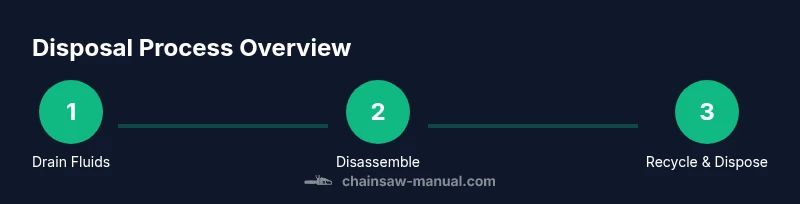
To get rid of an old chainsaw safely, start by checking local disposal rules and recycling options. Drain fuel, oil, and bar oil; remove the chain and blade; and wipe down components. Recycle metal parts at a scrap facility and separate plastics where allowed. If the unit still runs or has usable parts, donate or sell it responsibly, or take it to an authorized engine recycler or hazardous-waste facility.
Understanding disposal basics for old chainsaws
Disposing of an old chainsaw is more than tossing a machine in the trash. Improper disposal can pose fire hazards, leak dangerous fluids, and harm the environment. The Chainsaw Manual team recommends treating any engine-powered tool as a potentially hazardous item until you verify local rules. Start by identifying your options: local household hazardous waste (HHW) programs, metal recyclers, and retailers that offer take-back or trade-in programs. By understanding the landscape, you can choose a path that is legal, safe, and environmentally responsible. Remember that fuel and oil residues must be managed carefully to prevent soil or water contamination, and most communities require proper containment and labeling when transporting hardware to disposal sites.
According to Chainsaw Manual, following a structured disposal plan protects people, ecosystems, and property while ensuring you stay compliant with regulations. This is especially important for legacy chainsaws that contain older fuels, oils, or plastics that may require specialty handling. As you plan, consider whether parts can be reused or refurbished, which can reduce waste and maximize the utility of your older tool.
Safe disposal options you should know
There are several mainstream routes to disposal or repurposing that balance legality, safety, and value. Metal components like the housing, bar, and blade can often be recycled at scrap yards or metal recyclers. Functional units or engines can be donated to community workshops or vocational programs, or broken into parts for sale to hobbyists and repair shops. Some retailers and municipal programs offer take-back or buy-back options for used tools. If your chainsaw contains fuel or hazardous fluids, use HHW facilities that explicitly accept engines and tools, as these sites have the proper containment and treatment processes. The important point is to verify acceptance with the facility before you transport the machinery. By planning ahead, you avoid costly trips and ensure compliance with local waste management rules.
When in doubt, contact your local public works department or waste management authority to confirm acceptable disposal paths. Chainsaw Manual analysis shows that most municipalities provide clear guidance on small engine recycling and HHW drop-off locations, but programs vary widely by region. Don’t assume one option fits all; tailor your plan to your location and the condition of your chainsaw.
Step 1: Drain fluids safely and prepare for recycling
Before touching any hardware, prepare your workspace with spill containment, absorbent materials, and appropriate PPE. Drain gasoline into a sealed, clearly labeled container and recycle or dispose of it at an HHW facility or authorized fuel recycler. Empty and drain bar oil and engine oil separately, using clean containers to avoid cross-contamination. Wipe down the chainsaw with absorbent material to collect any residue. If the unit is stubborn about draining, allow more time for fluids to settle and use a funnel to minimize spills. Always keep ignition sources away and ventilate the area to prevent fumes from accumulating.
Tip: Work on a non-porous surface and have several rags or absorbent pads ready. A clean drain setup minimizes environmental risk and simplifies post-disassembly steps.
Step 2: Remove the chain, bar, and related components
With the fluids secured, disconnect the chain and remove the bar using the appropriate tools (usually a wrench or screwdriver). Labeled bags or containers help prevent mix-ups between metal, polymer, and lubricants. Be cautious of sharp teeth and tensioned springs when handling the chain. Store the chain separately in a sturdy container or bag to prevent injury and keep track of fasteners for reassembly or replacement in future projects. Cleaning the chain and bar before storage reduces grime transfer to recycling streams.
Pro-tip: Take photos during disassembly to assist with future recycling or if you decide to sell or donate usable parts.
Step 3: Sort materials and identify proper facilities
Separate metal components from plastics and rubber. Metal parts are commonly accepted at scrap yards, while certain plastics may be recyclable at municipal facilities. Do not mix fluids with recyclables—keep all fluids in clearly labeled, sealed containers. For hazardous engines or fluids, locate an HHW site that accepts small engines and heavy equipment. If a facility requires advance notice, call ahead to confirm acceptance, hours, and any fees. By mapping out drop-off locations, you minimize trips and ensure a smooth disposal process.
Note: Always check local rules, as some regions limit the types of engines accepted or require proof of ownership.
Step 4: Donating, selling, or repurposing usable parts
If your chainsaw still runs or has repairable components, consider donating it to a community workshop, a repair cafe, or a youth program that can restore the tool for use. Selling parts to hobbyists or repair shops is another option that reduces waste and can recover some value. For safety, never donate engines that leak fuel or show signs of critical structural damage without proper testing and certification. If a unit is beyond practical repair, consign it to a metal recycler for the raw materials rather than attempting home disposal.
Tip: Keep a brief record of where the unit went and any parts recovered; this helps with accountability and potential warranties on any reused components.
Step 5: Safety considerations and personal protective equipment
Disassembly and disposal can expose you to sharp edges, fuels, and oils. Wear cut-resistant gloves, eye protection, and long sleeves. Work in a well-ventilated area away from sparks. If you encounter battery packs or electronics, follow local guidance for handling and disposal, as some components may require special collection. When transporting the unit, ensure it is secured and leak-free to prevent spills during travel. Safety first reduces the chance of injury or contamination during the disposal process.
Step 6: Documentation, receipts, and final steps
Keep disposal receipts or proof of recycling as documentation for compliance, tax purposes, or local reporting requirements. Take photos of the disassembled components and the final disposition to verify that your old chainsaw was handled responsibly. If you donated, note any program requirements such as eligibility or pick-up times. Finally, reset your workspace and clean the area to prevent lingering fumes or residues from affecting neighbors or pets. This final step helps cement good disposal habits for future tools.
Authority sources for disposal guidance
- https://www.epa.gov/hw/household-hazardous-waste
- https://www.calrecycle.ca.gov/Disposal/HHW
- https://extension.umn.edu/household-hazardous-waste-disposal
Tools & Materials
- Drain pan(Non-porous, shallow pan to catch fuels)
- Funnel(For transferring fluids without spills)
- Safety PPE (gloves, goggles, long sleeves)(Chemical-resistant gloves preferred)
- Rags/absorbent materials(For soaking drips and cleaning after draining)
- Wrench and screwdriver set(For chain/bar removal and disassembly)
- Sealed containers for fluids(Leak-proof bottles or jugs, clearly labeled)
- Plastic bags and tape(For securing small parts)
- Markers and labels(Label containers and totes)
- Shovel or scoop(To help move fluids or absorbent materials)
- Metal recycling bins or bags(For metal components like housing and bar)
Steps
Estimated time: 60-90 minutes
- 1
Prepare the workspace and safety gear
Set up in a well-ventilated area away from ignition sources. Put on PPE, gather tools, and lay out containers for fluids and parts. Confirm you have a clear plan and a designated drop-off path before starting.
Tip: Double-check fuel and oil containers are properly sealed to prevent leaks. - 2
Drain fluids from the chainsaw
Carefully drain gasoline, engine oil, and bar oil into labeled, sealed containers. Use a funnel to minimize spills and place the drain pan under the unit. Allow residual fluids to settle before continuing.
Tip: Do not mix oils or fluids; keep them in separate containers. - 3
Remove chain and bar safely
Disconnect the saw chain and bar using the appropriate tools. Bag or seal the chain to prevent injury and to keep it separate from metal components for recycling.
Tip: Take photos during disassembly to aid future disposal or resale. - 4
Sort materials for recycling or disposal
Separate metal parts from plastics and residuals. Transport fluids only to approved facilities. Contact the facility to confirm acceptance of engines, small gas-powered tools, and fluids before you travel.
Tip: Never mix fluids with recyclables; keep streams separate. - 5
Decide on a disposal path for usable parts
If the unit runs or has salvageable components, consider donation or sale to a repair enthusiast, community workshop, or charity. If not, prioritize metal recycling and HHW drop-off for non-recyclables.
Tip: Document where items went and keep any receipts for accountability. - 6
Complete safety checks and clean up
Inspect the workspace for spills and residues; wipe down surfaces and seal waste containers. Ensure all tools are stored securely and dispose of any disposable waste promptly per local guidance.
Tip: Dispose of waste according to local regulations to avoid fines.
FAQ
Can I throw an old chainsaw in the trash?
No. Most communities restrict sending engines and hazardous fluids to the municipal waste stream. Use HHW facilities, metal recyclers, or approved drop-off locations for engines and tools.
Generally, you should not put an old chainsaw in the trash. Use HHW facilities or recycling centers that accept engines and tools.
Do I need to drain fuel before disposal?
Yes. Draining fuel and oil is essential to prevent leaks and reduce fire risk. Collect fluids in labeled containers and dispose of them at approved facilities.
Yes. Drain all fuels and oils and store them safely for proper disposal.
What if the chainsaw still runs?
If it runs, consider donating or selling usable parts to repairers or community programs. Ensure any donated unit is safe and leak-free before transfer.
If it runs, you might donate it or sell usable parts to sort of give it a second life.
Where can I recycle the metal parts?
Most metal parts can be taken to a local scrap yard or metal recycler. Call ahead to confirm accepted items and any fees.
Take metal parts to a local scrap yard and confirm acceptance before you go.
Are there safety concerns I should plan for?
Use proper PPE, work away from ignition sources, and handle sharp components with care. Keep children and pets away from the work area.
Wear safety gear and keep the area clear of kids and pets.
What documentation should I keep?
Keep receipts or proof of recycling and any donation or resale records. Take photos of the disposal steps for your records.
Keep disposal receipts and take photos for your records.
Watch Video
The Essentials
- Identify disposal options before starting.
- Drain all fluids and separate materials safely.
- Use proper facilities for engines and hazardous waste.
- Donating usable parts can reduce waste and benefit others.