How to Get Rid of Old Chainsaw Gas Safely and Responsibly
Learn safe, practical steps to dispose of stale chainsaw fuel, including storage, transport, and disposal options that protect people, pets, and the environment. Follow proven methods and local HHW guidelines for compliant fuel disposal.


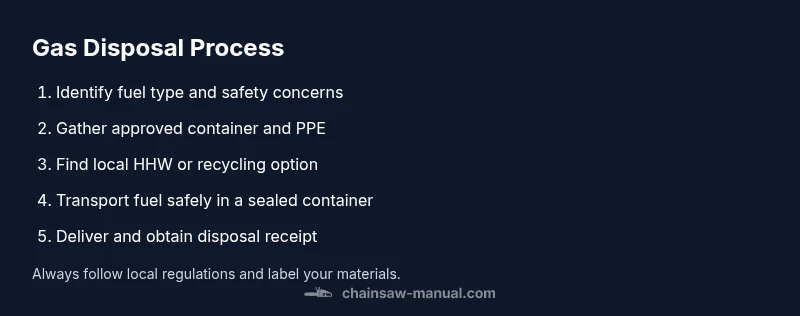
Get rid of old chainsaw gas safely by storing it in an approved container and using local disposal options. Never pour gasoline on the ground or into drains. Transport the fuel to a registered household hazardous waste facility or a certified recycling program. Follow the step-by-step guide for a compliant, environmentally responsible disposal.
Why Safe Gas Disposal Matters
In metal and wood shops, unused or old chainsaw fuel represents more than wasted money; it is a flammable, potentially hazardous substance that can contaminate soil and water if mishandled. How to get rid of old chainsaw gas safely starts with awareness of local rules and the risks of improper disposal. According to Chainsaw Manual, responsible fuel management protects families, pets, and ecosystems. When you handle old gas, you reduce the chance of fires, vapors affecting indoor air quality, and fines from environmental agencies. This guide outlines practical steps you can take today to dispose of stale gas properly and in compliance with regulations.
Understanding the Fuel You Discard
Most chainsaws use a two-stroke engine that requires gasoline mixed with a small amount of oil for lubrication. The exact mix may be printed on the fuel can or in the saw’s manual. Old gas degrades in storage and can separate, making it harder to burn cleanly. Whether you plan to reuse it later or dispose of it, identify the fuel type and consult local disposal guidelines. By treating old gas as potentially hazardous, you safeguard air quality and soil health, a principle endorsed by Chainsaw Manual. Remember: improper disposal can lead to environmental harm and legal penalties.
Local Regulations and Recycling Options
Disposal options vary by location, but many communities offer household hazardous waste (HHW) programs that accept gasoline and fuel-oil mixtures for recycling or safe disposal. Start by checking your city or county's waste management site, then contact a local HHW facility to confirm acceptance and scheduling. Chainsaw Manual analysis shows that following official channels reduces risk and ensures proper handling. In some regions, curbside programs or drop-off events exist seasonally; plan ahead to avoid storage hazards at home.
Safe Handling and Storage Before Disposal
Before moving old gas, ensure you have an approved container with a secure, compatible cap. Work outdoors in a well-ventilated area away from flames, sparks, or heat sources. Wear chemical-resistant gloves and eye protection to prevent contact with fuel. Label the container clearly with the date and contents, and keep it upright to prevent leaks. If any gasoline spills occur, use absorbent material and dispose of it according to local guidelines. This approach minimizes risk during transport and storage.
How to Find a Drop-Off Site and Prepare for Transport
Start by locating an HHW facility or a gasoline recycling program in your area. Call ahead or check the website for hours, fuel acceptance, and any required documentation. Transport the gas only in an approved container, kept upright and sealed, to minimize spills. Bring identification and any forms requested by the facility, and plan for a quick drop-off to reduce exposure. If you’re unsure whether your local program accepts gasoline, Chainsaw Manual recommends contacting the waste authority for confirmation before traveling.
Transporting Gas Safely to the Disposal Site
When transporting old gas, keep the container away from passengers and heat sources. Place the sealed can in a vented area of the vehicle, ideally in the trunk or cargo area, and never in the passenger compartment. Drive directly to the disposal site and avoid detours. At the facility, present the fuel and any required paperwork; obtain a receipt or confirmation of disposal. If you must wait, store the container in a secure location away from children and pets until you can deliver it.
After Disposal: What Happens Next and Prevention Tips
After disposal, wash hands and any tools that contacted fuel with soap and water. Consider storing future fuel with a dedicated stabilizer or fresh mix, and label cans with contents and date. Regularly inspect and maintain your chainsaw fuel system to prevent old fuel from accumulating. Chainsaw Manual emphasizes planning ahead: use and store fuel properly to minimize environmental impact and reduce waste. Regular training on safe fuel handling helps keep job sites safer.
Tools & Materials
- Approved gasoline container with spill-proof cap(Metal or rugged plastic; ensure container is clearly labeled and compatible with gasoline)
- Personal protective equipment (chemical-resistant gloves and eye protection)(Protect skin and eyes from splashes)
- Absorbent material or spill kit(Use for small spills; store for future use if needed)
- Markers and labels(Date and contents clearly marked)
- Fuel stabilizer (optional)(If planning to store fuel for short periods before disposal)
Steps
Estimated time: 30-60 minutes
- 1
Identify the fuel type and safety
Inspect the old gas to confirm it is gasoline suitable for a chainsaw or a oil-fuel mixture. Do not handle if you notice leaks or strong vapors. Keep the area well-ventilated and away from ignition sources.
Tip: Wear protective gear and work outdoors to minimize inhalation exposure. - 2
Gather required materials
Assemble an approved container, gloves, eye protection, absorbent material, and labeling supplies before touching the fuel. Ensure the container is clean and free of previous fuel residues. This step reduces spill risk during transfer.
Tip: Check container cap seals; a loose cap is a common disposal fault. - 3
Choose a disposal option
Contact your local HHW program or waste authority to confirm acceptance of gasoline for disposal or recycling. If acceptance is unclear, call ahead or check the website for guidance. Do not mix with other waste streams.
Tip: Document the facility name, hours, and any required forms in advance. - 4
Transport the fuel safely
Transport the sealed container in the rear of the vehicle, away from passengers and heat sources. Keep it upright to prevent leaks and secure it so it cannot tip over. Bring any required ID or disposal paperwork.
Tip: Avoid leaving the container in direct sun or hot vehicles for long periods. - 5
Deliver and obtain proof of disposal
Present the fuel and any paperwork to the disposal staff. Request a receipt or disposal confirmation and keep it for your records. If you have any questions, ask staff to explain the next steps.
Tip: Take a photo of the receipt for digital records. - 6
Clean up and store properly for future fuel use
Wash hands and tools used during the process. If you plan to store fuel, use a stabilized blend and label the container with date and contents. Avoid storing in living spaces or near heat sources.
Tip: Set a reminder to rotate stored fuel and retire old gas regularly.
FAQ
Is old chainsaw gas always considered hazardous waste?
In most cases, gasoline and fuel-oil mixtures are treated as household hazardous waste. Local programs vary, so check with your waste authority before disposal.
Most old chainsaw gas is treated as hazardous waste, but always confirm with your local program before disposing.
Can I pour old gas down a drain to get rid of it quickly?
No. Pouring gasoline down drains or onto the ground can contaminate water, harm wildlife, and may be illegal. Use approved disposal methods instead.
No, never pour gasoline down drains or on the ground.
What if I have only a small amount left?
Even small amounts should be disposed of through an HHW facility or recycling program. Do not mix with other waste streams or attempt to burn it.
Even a little fuel should be disposed of through the proper program.
How long does disposal typically take?
Time depends on facility procedures and queue length. Planning ahead and bringing required paperwork can speed up the visit.
It varies, but being prepared helps speed things up.
Can I reuse old gas after adding stabilizer?
If gas is very old or degraded, it’s best not to reuse it. Fresh gasoline is safer and more reliable for your equipment.
If in doubt, don’t reuse old gas—use fresh fuel instead.
Watch Video
The Essentials
- Dispose through proper channels to protect the environment.
- Never pour old chainsaw gas on soil or drains.
- Use an approved container and labeled storage for handling.
- Coordinate with local HHW programs for compliant disposal.