What to Do with Old Chainsaw Chains: Safe, Practical Options
Practical safety-first guidance on handling old chainsaw chains, including recycling, repurposing ideas, and proper disposal—from a professional Chainsaw Manual perspective.


By the end of this guide, you'll know safe, practical ways to handle old chainsaw chains—without risking injury or waste. You’ll learn options like recycling for metal, repurposing for DIY tasks, and proper disposal. We cover when to retire a chain, how to prepare it for recycling, and how to avoid dangerous storage that could lead to rust or accidents.
Why handle old chainsaw chains safely
For homeowners and professionals, deciding what to do with old chainsaw chains isn't just about clutter—it's a safety and environmental decision. When people ask what to do with old chainsaw chains, the safest answer is to minimize risk first: keep live chain away from people, pets, and heat sources, and choose a responsible path. According to Chainsaw Manual, safety should drive disposal decisions, because a damaged chain can degrade into sharp, unpredictable fragments if mishandled.
If a chain is corroded, bent, cracked, or shows excessive wear, treat it as end-of-life. Even chains that look harmless can have hidden fatigue that causes teeth to fail under load. For the best outcomes, aim to segregate chains into two categories: reusable only after professional assessment, or non-reusable and suitable for recycling or repurposing. By planning ahead, you reduce the chance of injury and improve your environmental impact.
When to retire a chain and what’s dangerous about reuse
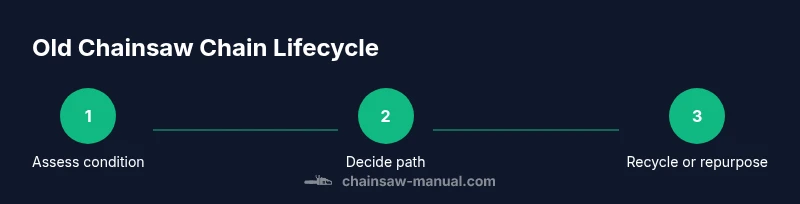
Even a seemingly ordinary chain can hide fatigue. The question of what to do with old chainsaw chains hinges on the chain's condition. Retire a chain if you see bent teeth, missing rivets, severe rust, cracked drive links, or stiff links that refuse to flex. Reusing a damaged chain is dangerous because teeth can skip or break, causing kickback and loss of control. Chains with heavy corrosion may fail under normal cutting loads. The general guideline from Chainsaw Manual is simple: if in doubt, retire the chain and treat it as waste to be handled through proper channels. Remember that reusing or attempting to repair a chain with visible flaws increases the risk of personal injury and unintended property damage, so prioritize safety above all else.
Recycling options: metal recycling and scrap yards
Metal chains are primarily steel and are usually accepted by licensed scrap metal recyclers. If you're wondering what to do with old chainsaw chains from a safety perspective, recycling at a permitted facility is often the most responsible option. Before you go, call ahead to confirm accepted materials and any preparation requirements, such as removing non-metal parts or bringing the chain in a secured container. Chainsaw Manual analysis shows that many facilities will melt, re-mold, or repurpose the metal, turning waste into raw material for new products. If the chain cannot be recycled due to mix of materials or coatings, ask the recycler about alternatives such as de-coating or smelting. Some yards will accept chains with remaining oil as a separate stream, so inquire about that as well.
Repurposing ideas for crafts and garden use
Old chains can find a second life in low-load applications that don't involve cutting. Use intact, rust-free sections as plant supports, decorative hardware for garden projects, or as heavy-duty hooks after removing burrs and ensuring no sharp edges remain. Never reuse a chain with integrity flaws for structural tasks, but smooth, burr-free links can be trimmed into shorter pieces for fencing accessories, trellises, or weight-bearing crafts. This approach minimizes waste and teaches responsible material reuse, a principle Chainsaw Manual champions for homeowners and professionals alike.
Proper disposal and hazardous waste considerations
Disposal practices vary by location, so always check local rules. Do not burn or incinerate chains, and do not place them in regular household trash if they are metal and recyclable. Take old chains to a licensed scrap metal recycler or hazardous waste facility if required. If you're unsure, contact your local waste authority or Chainsaw Manual's guidance for safe options. Label containers clearly and keep chains away from children and pets during transport.
How to prepare a chain for reuse in a workshop or storage
Preparation for reuse or safe storage begins with a thorough cleaning to remove oils, sawdust, and rust. Use a stiff brush and solvent to remove residue, then dry completely. Inspect each link for burrs or cracks and file or sand them smooth to prevent cuts. Apply a light coat of mineral oil or a rust-inhibitor to prevent corrosion during storage, and store in a dry, labeled container away from heat sources. If you decide not to reuse the chain, document the disposal path (recycling facility name, date, and receipt) for future reference and compliance.
Common mistakes to avoid
Common errors include handling a chain without protective gear, transporting used chains in open containers, and assuming that rust is harmless. Don’t mix metal chains with non-metal parts, and never attempt to repair structural damage such as cracked links. Finally, always verify local regulations before disposing—rules vary by city and county, and improper disposal can lead to fines or environmental harm.
Tools & Materials
- Heavy-duty work gloves(Size large enough to fit over bulky layers; cut-resistant if possible)
- Safety goggles(ANSI Z87.1 or equivalent for eye protection)
- Pliers or bolt cutters(For detaching links or trimming burrs safely)
- Marker or tape(Label containers or note condition of chain)
- Seal-able bin or sturdy bag(Transport to recycler; prevent spills)
- Wire brush or rag(Light cleaning before transport)
Steps
Estimated time: 60-90 minutes
- 1
Inspect chain viability
Carefully examine the chain for rust, cracks, bent rivets, or missing teeth. Decide if it is salvageable or should be disposed. If you see any significant damage, plan for recycling or repurposing rather than use.
Tip: Document damage with photos and notes for your records. - 2
Prepare safety gear and workspace
Put on gloves and safety goggles, clear a clean workspace, and gather your tools. Ensure children and pets are away from the area to avoid accidents during handling.
Tip: Keep a first aid kit nearby in case of small nicks or cuts. - 3
Detach chain from saw safely
Power off the saw and disconnect any energy source. Remove the bar nuts and carefully loosen the chain from the bar, keeping the chain covered to prevent contact with skin or clothing.
Tip: Never place hands near cutting teeth while removing the chain. - 4
Decide disposal path
Based on your assessment, determine if you will recycle, repurpose, or dispose through a proper channel. Separate metal-only parts from non-metal components if needed.
Tip: Call ahead to your recycler to confirm accepted materials and preparation steps. - 5
Recycle at a licensed facility
Take the chain to a licensed scrap metal recycler or hazardous waste program if required by local rules. Bring it in a secure container and remove non-metal parts when advised.
Tip: Ask about any fees and whether your chain can be melted down or reprocessed on-site. - 6
Repurpose safe components
If parts are intact and free of defects, repurpose for low-load projects like garden trellises or decorative hooks after removing burrs and smoothing edges.
Tip: Always prioritize safety; avoid high-load applications with repurposed pieces. - 7
Store and document disposal
Store the chain in a dry, labeled container and keep records of where it was recycled or disposed. This helps with safety, compliance, and future reference.
Tip: Keep digital or paper receipts in a dedicated folder for chainsaw maintenance.
FAQ
Can old chainsaw chains be recycled?
Yes, most metal chains can be recycled at a licensed scrap metal facility. Check local programs and remove any non-metal parts as required.
Yes—metal chains are typically recyclable at licensed scrap yards after removing non-metal parts.
Is it safe to sharpen or reuse a damaged chain?
If a chain shows rust, cracks, or bent components, do not reuse. Damaged chains can fail and cause serious injury.
Never reuse a damaged chain; it can fail and cause serious injury.
What should I do with drive links that are broken?
Do not attempt makeshift repairs. Take the chain to a recycler or follow local disposal guidelines for metal waste.
Don’t repair broken links—bring it to recycling or proper disposal.
Can I repurpose old chains for non-cutting uses?
Yes, only if the chain is safe, rust-free, and burr-free. Use it for light-duty garden or craft projects after proper cleaning and edge smoothing.
You can repurpose safely if it's free of defects and burrs.
What safety precautions should I follow when handling old chains?
Always wear protective gear, work in a clear area, and store chains away from children and pets. Handle with care to prevent cuts from burrs.
Wear protection and keep chains away from kids; handle with care.
Watch Video
The Essentials
- Assess safety before disposal.
- Choose recycling or repurposing only if chain is safe.
- Follow local disposal guidelines to avoid penalties.
- Store old chains dry and clearly labeled.