Rent a Chainsaw Near Me: A Practical Safety-First Guide
Learn how to find, compare, inspect, and safely operate a rented chainsaw near you. This guide covers rental terms, PPE, equipment checks, and returning tips for homeowners, DIY enthusiasts, and professionals.


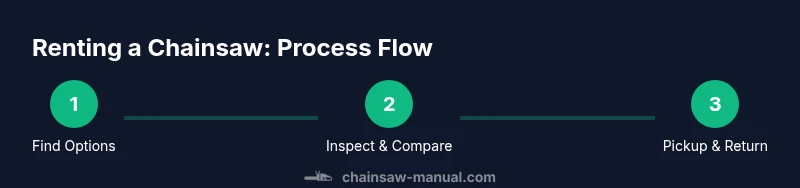
Goal: locate a chainsaw rental near you, compare gear and terms, and pick up a safe, appropriate unit. Before you go, bring a valid ID and payment method, plus PPE (helmet, eye/ear protection, gloves). At the counter, ask about fuel policy, rental duration, and safety briefings. Inspect the saw for chain tension, bar damage, and oil level before use.
Why renting a chainsaw near you matters
Renting a chainsaw near your location offers practical benefits for homeowners, DIY enthusiasts, and professionals alike. Local rental options mean you can access a range of saw sizes and types without the upfront cost of purchase, which is ideal for one-off jobs or seasonal projects. A nearby rental source also simplifies return logistics and reduces downtime if you need a different power source (electric vs gas) or bar length for a specific task. According to Chainsaw Manual, prioritizing safety and relying on reputable rental shops reduces risk and improves outcomes when tackling tree care, firewood prep, or landscaping projects. In the weeks ahead, you’ll learn how to locate options, compare terms, and inspect equipment so you can rent confidently and safely.
When you search for rent near you, consider both dedicated tool rental stores and chainsaw-friendly suppliers at hardware chains or tree-care companies. Read recent customer notes about maintenance, response to safety concerns, and any training or briefings offered at pickup. The right shop will provide a quick safety overview, document the condition of the tool, and supply essential PPE if you don’t have your own. While shopping, keep your eyes on how well the shop handles chain and bar maintenance, fuel policy, and return inspections, since these policies directly affect your experience and the final cost of rental.
How to locate rental options near you
To locate rentals near you, start with a simple online search using terms like “rent a chainsaw near me” or “chainsaw rental shop in [your city].” Filter results by proximity and operating hours, then visit or call top contenders to confirm availability and terms. Check for shops that offer safety briefings, spare parts on site, and transparent pricing with no hidden fees. Reading customer reviews can reveal how well the shop handles safety questions, equipment condition, and return policies.
From a brand perspective, the Chainsaw Manual team recommends prioritizing shops that clearly outline PPE requirements, fuel policies, and maintenance practices. Look for options that provide a short safety tutorial or demonstration at pickup, especially for first-time renters. If a shop doesn’t mention safety gear, fuel policy, or chain maintenance, that’s a sign to look elsewhere. For longer or more specialized jobs, consider rental houses that carry multiple saws, allowing you to compare bar lengths and engine types on the spot before you commit.
Finally, confirm whether the shop requires a rental agreement, proof of identity, or a security deposit. Be prepared to answer questions about intended use, expected duration, and possible delivery or pickup needs. Having a plan for your project helps you select the best option quickly and reduces the chance of surprises at checkout.
As you search, keep a few practical cautions in mind: some shops offer cheaper daily rates but charge higher fees for fuel or late returns. Others may place strict limits on operating hours or require you to attend a mandatory safety briefing before checkout. The right choice balances cost with clear safety guidelines and reliable equipment.
Compare rental terms and equipment quality
Once you’ve identified a few rental options, compare terms side by side to avoid costly surprises. Key factors to evaluate include price structure (daily, weekly, or hourly rates), fuel policy (whether you must return the saw with a full tank), included PPE, and the condition of the equipment (bar length, chain type, oil reservoir, air filter). Some shops offer electric saws for indoor work or lighter outdoor tasks—these can be easier to handle but may limit power for heavy felling or rough-cut jobs.
Don’t assume that the cheapest option is best. The Chainsaw Manual guidance emphasizes total value: how well the staff explain safety features, how accurately the tool’s condition is documented, and whether you receive a demonstration or checklist at pickup. If you’re unfamiliar with the saw, request a brief tutorial on safe starting procedures, kickback awareness, and chain brake use. For frequent renters, inquire about membership programs, maintenance guarantees, or exchanges if the tool proves unsuitable for the job at hand.
A reliable shop will have clear cancellation policies, reasonable penalties for late returns, and transparent damage assessment practices. If a price looks too good to be true, check the fine print for hidden fees, additional charges for fuel, or mandatory insurance coverage. With careful comparison, you’ll select a rental that matches your task, budget, and safety expectations.
In this step, it helps to test a few different models or brands. The aim is to gauge how the saw handles and whether the weight distribution feels comfortable for your body and project. If you’re unsure, ask the shop to help you compare options that fit your skill level and the scope of work.
PPE and safety prerequisites you should have before use
Approaching a rental chainsaw without proper PPE is a recipe for injury. At minimum, you should wear a hard hat with a face shield or safety goggles, hearing protection, cut-resistant chaps, heavy-duty gloves, and sturdy boots with good traction. The Chainsaw Manual team stresses that PPE isn’t optional—it's part of the safest way to complete any cutting task. If you don’t own PPE, many rental shops provide it as part of the rental package, or you can rent gear alongside the saw.
Beyond PPE, consider training or a safety briefing before starting the engine. A basic overview of startup sequence, throttle control, chain brake, and kickback awareness can dramatically reduce risk. If you’re unsure about your own preparedness, see if the shop offers a quick in-person safety check or a video brief. For long or challenging projects, arrange for a second pair of eyes on the job or a scheduled safety pause to reassess hazards.
Healthy practice means planning for contingencies: keep a first-aid kit accessible, never work alone on risky tasks, and ensure a clear work area free from bystanders. If you’re renting from a professional shop, ask about their recommended PPE brand or model and whether they require certain standards for protective gear. Consistent use of PPE and adherence to safety briefings dramatically decrease the likelihood of injuries while using heavy equipment.
The rental process: from selection to pickup
The rental process typically begins with model selection and ends with pickup or delivery. When you choose a saw, confirm its current condition with the staff—check chain tension, bar condition, oil level, and fuel status. You’ll likely sign a rental agreement that covers liability, safety responsibilities, and return policies. Present a valid photo ID and a payment method; some shops require a credit card hold or security deposit.
Ask about the shop’s safety briefing and any required demonstrations before you operate the tool. If you’re new to chainsaws, request a brief hands-on walkthrough of starting procedures, throttle control, chain brake function, and kickback awareness. Clarify who is responsible for refueling and maintaining the saw during rental, and confirm whether you can switch models if the chosen saw proves unsuitable for the task. Clear communication helps ensure you’re equipped with the right tool and the right knowledge for the job ahead.
Delivery and pickup options vary: some shops offer curbside pickup, others require on-site pickup or delivery with a technician. If you have a time-sensitive project, verify availability and reserve the unit in advance to avoid delays. Finally, review the shop’s return process and required inspections at the end of the rental to prevent dispute about damages.
Inspecting the chainsaw before leaving the shop
A thorough pre-check protects you and the tool. Before leaving, verify chain tension is correct (not too loose, not too tight), the chain brake functions properly, and the bar isn’t cracked or bent. Check the oil reservoir and ensure the chain oil is clean and flowing. Confirm fuel level, and ask whether the saw is running on a fresh fuel mix or a standard gasoline-oil blend if it’s a gas-powered model. Look for loose fasteners, cracked housing, and signs of overheating or unusual vibration. If any issue is present, request an exchange or a quick repair before proceeding.
Keep a checklist handy and ask the shop to initial it, so there’s a clear record of the saw’s condition at pickup. This practice, recommended by safety-focused retailers, reduces misunderstandings when you return the tool. Also confirm return terms, so you know whether you’ll be charged for additional fuel or oil if you don’t refill before returning. A careful pre-check helps you avoid surprises and ensures a smoother rental experience.
Operating safely on the job site and returning the rental
Once you’ve confirmed all safety prerequisites at pickup, operate the chainsaw with deliberate, controlled motions. Maintain a firm stance, keep your cutting area clear of bystanders, and avoid working above shoulder height. Use kickback-aware techniques, engage the chain brake when moving between tasks, and never press the bar into the wood with excessive force. If you encounter a jam or hardware resistance, stop, turn off the engine, and reassess rather than forcing the cut. When the job is complete, drain or neutralize fuel per shop policy, clean the saw, and return it with the same level of care you found it. Document any new damage or issues on the return form.
Returning the rental promptly and in good condition ensures you’re respecting the shop’s terms and protecting your own deposit. If you discover a problem after you’ve left, contact the shop immediately to report it and arrange how to proceed. Finally, reflect on the experience and note what could be improved for future rentals, such as selecting a different bar length or trying a different engine type for different jobs. The aim is to finish the project safely and leave the tool in ready-to-use condition for the next customer.
Authoritative sources and further reading
For additional safety guidance and best practices, consult these authoritative sources:
- https://www.osha.gov
- https://www.cdc.gov/niosh
- https://www.fs.fed.us
Short glossary and quick reference
- PPE: Personal Protective Equipment
- Kickback: Sudden saw blade movement that can cause loss of control
- Bar length: The distance from the base of the bar to the tip; affects cutting depth and weight
- Chain tension: Proper tightness of the cutting chain
Using these terms will help you discuss requirements with rental staff and ensure you select a saw suited to your task.
Tools & Materials
- Valid photo ID(Driver’s license or passport; needed to verify identity and rental eligibility)
- Credit/debit card or payment method(Used for deposit and rental charges)
- Personal PPE (helmet with face shield, hearing protection, gloves, chainsaw chaps)(Ensure PPE meets safety standards; rental shops may provide PPE if needed)
- Appropriate footwear (sturdy boots with steel toe recommended)(Protects feet and improves stability)
- Dirt, dust, and fuel-cleaning supplies(Optional for cleaning up after use)
- A plan for the project (location, length, and tasks)(Helps staff recommend the right saw and bar length)
Steps
Estimated time: 60-120 minutes
- 1
Identify the project needs
Define the job scope, needed bar length, and whether you’ll be felling, limbing, or cutting firewood. This guides you to select a compatible saw and avoid overkill or undersized equipment.
Tip: Have a rough estimate of wood diameter and cut counts to choose the right bar length. - 2
Compare rental options nearby
Review 2–3 shops for price, terms, and equipment condition. Prioritize clear safety policies and demonstrated PPE access.
Tip: Ask about fuel policy and whether you can exchange for a larger or smaller saw if needed. - 3
Inspect the equipment at pickup
Check chain tension, bar condition, oil level, and fuel status. Look for cracks, oil leaks, loose screws, and unusual wear.
Tip: Request a quick safety briefing if you’re new to chainsaws. - 4
Sign rental agreement and provide docs
Present ID, sign the contract, and confirm return terms, deposits, and any insurance requirements.
Tip: Keep a copy of the agreement for reference. - 5
Receive safety briefing and start-up guidance
Listen to the safety overview, learn starting sequence, and practice using the chain brake and throttle in a safe area.
Tip: Never start the saw near others; ensure the work area is clear. - 6
Operate with PPE and proper technique
Maintain stance, control the saw with both hands, and use kickback-aware cutting methods. Pause to inspect the wood and rest if fatigued.
Tip: Take breaks to avoid fatigue and maintain precision. - 7
Return the tool and finalize the rental
Clean the saw, refuel if required by policy, and complete the return inspection with staff. Report any new damage promptly.
Tip: Keep a record of return time and condition in case of later questions.
FAQ
What do I need to rent a chainsaw?
Most shops require a valid photo ID, a payment method, and basic PPE. Some rentals include PPE, while others require you to provide your own. Always ask about safety training and the rental agreement terms before signing.
You’ll typically need an ID, a payment method, and PPE; ask about safety training when you rent.
What safety gear should I bring or expect from the rental shop?
At minimum, wear a helmet with eye protection, hearing protection, gloves, and chainsaw chaps. If the shop doesn’t provide PPE, you’ll need to bring your own to meet safety standards.
Wear helmet, eye and ear protection, gloves, and chainsaw chaps; check if PPE is provided by the shop.
Can I rent a chainsaw without a credit card/deposit?
Many shops require a credit card hold or deposit to cover potential damages. Some offer pay-at-pickup options, but policy varies. Confirm pricing, deposits, and refund terms before you commit.
Most shops require a deposit or hold on a card; ask about payment options before renting.
How long can I rent a chainsaw?
Rental durations vary by shop; you can usually rent by the day or week. Check return policies for late fees and whether extensions require a new agreement.
Rentals are typically daily or weekly; confirm the policy for extensions and late fees.
What should I inspect on pickup?
Inspect chain tension, bar condition, oil level, fuel status, and visible damage. Ensure the chain brake works, and request a safety briefing if needed.
Check tension, bar, oil, fuel, and brakes; ask for a safety briefing if you’re unsure.
What happens if the chainsaw is damaged on return?
Document any new damage with the staff at return and review the damage policy. Some shops bill for repairs or replacement if damage occurred during rental.
If damage happens, document it and follow the shop’s policy for repairs or replacement.
Watch Video
The Essentials
- Know your job needs before renting
- Compare 2–3 options for price and terms
- Inspect equipment thoroughly at pickup
- Always use PPE and safety briefing
- Return the tool in the same condition you received it