Renting a Chainsaw at Lowe's: A Safe, Practical Guide
Learn how to rent a chainsaw from Lowe's or similar retailers safely. This guide covers availability, steps, PPE, fees, and practical alternatives for homeowners and DIYers.


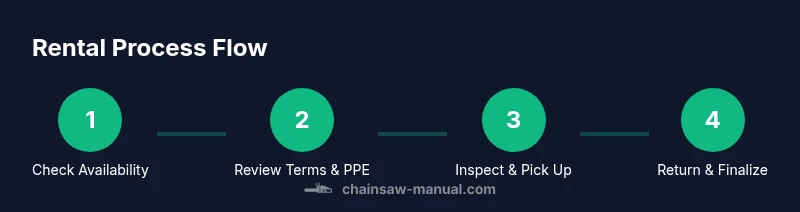
Goal: Learn how to rent a chainsaw from Lowe's or similar retailers and what to bring. Most stores require a valid ID, age verification, a deposit or credit hold, and PPE before pickup. You’ll sign safety waivers, inspect the unit for fuel and sharpness, and receive basic operating instructions. This quick path gives you the essential steps to rent confidently.
Why Renting Chainsaw Lowes Matters
For homeowners tackling yard cleanup, renting a chainsaw is often a safer, more economical choice than buying one outright. If you’re exploring renting chainsaw lowes or similar retailers, you’ll want to understand what to expect before you walk into the tool rental counter. According to Chainsaw Manual, safety-first rental decisions start with confirming local availability, understanding PPE requirements, and knowing the rental terms. The Chainsaw Manual team found that many DIY-friendly retailers offer short-term saw rentals that include a basic safety briefing and essential maintenance checks. This approach benefits casual users who only need occasional pruning, fallen branches, or storm cleanup without committing to a purchase. In the rest of this guide, you’ll learn how to identify legitimate rental options, compare programs, and protect yourself with proper PPE and operating practices. By the end, you’ll know whether renting a chainsaw from a retailer like Lowe’s makes sense for your project and your budget.
Availability and Location Considerations
Tool rental programs are not universally available at every Lowe’s location, and policies can vary by region. Before you plan a visit, check both the store’s online rental page and your local store’s service desk. The most reliable path is to call ahead, especially during peak seasons when demand for chainsaws spikes. Be prepared to provide basic information: the intended project, estimated duration, and your preferred pickup date. If Lowe’s isn’t an option in your area, consider nearby hardware stores, lumber yards, or independent rental shops that stock small- to mid-sized chainsaws. In any case, verify whether the unit will be provided with fuel, bar oil, and protective cases. As a rule, inventory often shifts with weather events and local yard work cycles, so flexibility helps. Chainsaw Manual’s analysis shows location-specific availability remains a major factor in planning.
What to Know Before You Rent
First, ensure you meet minimum age and identification requirements; most stores require a valid photo ID and proof you can legally operate heavy equipment. Expect a deposit or credit hold to cover potential damage, and be ready to sign a safety waiver. PPE is not optional: wear a helmet, eye protection, hearing protection, gloves, and cut-resistant leg protection while inspecting or handling the machine. Learn the rental terms, including fuel policy (some outlets require the unit to be returned with the same fuel level) and return windows. If you’re unsure about the unit’s condition, request a quick on-site inspection with staff. Finally, bring any familiarity with tool use you already have, and avoid multitasking or rushing when handling a chainsaw. Your goal is a controlled, safe operation from pickup to return.
How to Compare Rental Programs
Compare daily versus multi-day rates, and calculate the total cost based on your project timeline. Look for what’s included in the rate: safety briefing, chain sharpening, bar maintenance, fuel policy, and the option to swap for a different unit if needed. Some programs may offer discounted weekend rates or package deals for yard work kits. Also compare deposit requirements and any coverage alternatives (insurance, damage waivers). Consider whether the rental program offers support on-site if you run into trouble. In the Chainsaw Manual assessment, the most dependable programs provide clear terms, prompt service, and a reasonable safety briefing so you can assess a rental with confidence.
Fees, Deposits, and Insurance Basics
Expect a deposit or credit hold at pickup, with a daily rental rate that accrues as long as the tool is leased. The exact amount varies by location, unit type, and duration; it’s not unusual to see separate daily rates for electric versus gasoline models. Some retailers include fuel in the base rate, while others deduct refueling fees if the tank is not full at return. Read the agreement carefully for cancellation terms and late fees. Optional coverage or insurance is common, but assess whether it’s worth it given your risk and the value of the unit you’re renting. Chainsaw Manual notes that understanding deposits and insurance terms upfront can save surprised charges when you return the tool.
Safety Setup and PPE Requirements
Before you touch the saw, put on full PPE: a hard hat or helmet with face shield, ANSI-rated eye protection, hearing protection, cut-resistant pants or chaps, gloves, and sturdy boots. Confirm the chain is properly tensioned and the bar is free of damage. Inspect the chain quickly for dull or damaged teeth; a dull chain increases kickback risk and makes work harder. Ensure the area is clear of bystanders and obstacles, and establish an escape route in case of kickback or a branch fall. Request a basic safety briefing if you’re unsure about the unit’s features, such as choking or starting procedures on gasoline-powered saws. After the briefing, never operate the saw without a partner or spotter nearby if you’re new to this tool.
Operating Basics You’ll Need to Know
Start with the fuel or battery check, then follow manufacturer instructions for initiating the engine. Stand with your feet shoulder-width apart, keep the saw close to your body, and maintain full control with both hands. Cut with a steady, controlled motion, pulling from your standing stance rather than leaning into trees. Watch for kickback zones near the tip of the bar and avoid cutting with the bar tip to prevent dangerous kickback. Maintain a clean work area, remove branches and debris, and take regular breaks as needed. If you’re unsure about a technique, pause and ask for guidance from the rental staff rather than proceeding. The goal is steady progress with maximum safety.
Returning and Maintenance Expectations
Fully extinguish the engine and allow the unit to cool before packing away. If fuel is included, return with the same level to avoid refueling charges. Wipe off dirt and oil to prevent residue and inspection issues, and return accessories like the safety guard and chain cover. Inspect for obvious damage, and report any wear or defects to staff before leaving. In some programs, you may be charged for excess wear or tool repairs after inspection. Keep your receipt and check the final charges as soon as possible to ensure accuracy. By following these steps, you’ll help ensure a smooth return and avoid unnecessary charges.
Alternatives to Renting and DIY Cost Considerations
If you only need a chainsaw for a single project or a few hours of work, renting can be cost-effective. For frequent wood cutting or larger projects, purchasing a saw could be more economical in the long run, especially when factoring maintenance and fuel costs. Compare rental terms with local tool sales, consider purchasing a used saw in good condition, and assess whether you can borrow from a friend or neighbor. If the rental’s deposit and insurance requirements feel burdensome, explore alternative options such as a smaller, affordable electric chainsaw from a reputable retailer, or a community tool library. Chainsaw Manual emphasizes weighing long-term costs, safety responsibilities, and your own experience level when making a decision.
Authoritative Sources
- OSHA Chainsaw Safety: https://www.osha.gov/laws-regs/regulations/standardnumber/1910/1910.266
- NIOSH PPE guidelines: https://www.cdc.gov/niosh/topics/ppi/faq.html
- University Extension: https://extension.umn.edu/tool-safety
Tools & Materials
- Valid government-issued photo ID (e.g., driver’s license)(Needed to verify age and rental eligibility)
- Personal protective equipment (PPE) set(Helmet with face shield, ANSI eye protection, hearing protection, gloves, cut-resistant pants or chaps, sturdy boots)
- Credit card or valid payment method(Used for deposits and rental charges)
- Work gloves(Optional extra grip when handling the unit)
- Notebook or smartphone for quick notes(For jotting down operating instructions)
Steps
Estimated time: 60-90 minutes
- 1
Check availability
Call ahead or check the retailer’s online inventory to confirm a chainsaw is in stock for your dates. If available, note the pickup time and the staff contact, so you don’t arrive empty-handed.
Tip: Ask for the specific model and its fuel type to avoid surprises. - 2
Gather required documents and PPE
Assemble your ID, payment method, and ensure you have the full PPE kit ready before you go to the counter. Having everything organized speeds up the process and demonstrates responsible preparation.
Tip: Wear your PPE before stepping into the rental area to model best practice. - 3
Visit the store and request the rental
Go to the rental desk, present your ID, and state your intended project. Review the rental terms, including fuel policy and return time, before you sign.
Tip: Ask staff to walk you through any unfamiliar terms or policies. - 4
Inspect the chainsaw for damage
Check the bar and chain for wear, cracks, or loose teeth. Ensure there’s oil in the bar and the fuel tank is filled or empty per policy. Report any issues to staff before leaving.
Tip: If you see damage, request a different unit or a replacement. - 5
Receive safety briefing and operating instructions
Listen to the safety briefing and follow the manufacturer’s starting procedure. Confirm grip, stance, and cutting technique before any operation.
Tip: If unsure about starting procedures, ask for a hands-on demonstration. - 6
Start and operate the chainsaw under supervision
Begin with a stable stance, keep both hands on the saw, and avoid contact with the bar tip. Make small, controlled cuts and stop if you notice kickback potential.
Tip: Take short breaks to check your form and avoid fatigue. - 7
Return to the desk and discuss the condition
Bring the unit back on time, refuel if required by policy, and present any concerns from the rental period. Confirm final charges with staff to avoid mismatches.
Tip: Keep your receipt until the charges are settled. - 8
Finalize return and sign off
Complete any required paperwork, verify the tool is in acceptable condition, and obtain confirmation of return. Clarify how missing accessories are handled.
Tip: Ask for a written note of any agreed waivers or refunds.
FAQ
Is renting a chainsaw from Lowe's a good option for occasional yard work?
For occasional use, renting is often cost-effective, with safety training and basic maintenance included. It’s ideal when you don’t want a long-term commitment or ongoing storage concerns.
Renting is a smart fit for occasional yard tasks, especially when you want safety training and no long-term upkeep.
What documents do I need to rent a chainsaw?
A valid government-issued photo ID, proof of age, and a credit or debit card for the deposit are typically required. PPE is mandatory for operation and handling.
Bring a valid photo ID and payment method; PPE is required for rental.
Do I need training to operate a rental chainsaw?
Most stores provide a brief safety briefing before you operate the saw. If you’re unsure, ask for a quick hands-on refresher.
A brief safety briefing is usually offered; ask for more if you’re unsure.
What happens if I damage the chainsaw during rental?
Deposits may cover minor wear, but extensive damage or failure to return the unit can incur additional charges per policy.
Deposits cover small issues; bigger damage may incur charges.
Are there alternatives to renting chainsaws?
Yes. Consider buying used, borrowing, or renting an electric model from a local shop. Compare long-term costs and safety obligations.
Buying used or borrowing can be cheaper for frequent tasks.
Watch Video
The Essentials
- Verify local availability and reserve in advance
- Bring ID, payment method, and full PPE
- Inspect the unit and understand the fuel policy
- Follow safety briefing and use proper technique
- Return with unit in good condition to avoid charges