Big Chainsaw Rental: A Practical Safety-First Guide
Learn how to rent a big chainsaw safely and cost-effectively. This educational how-to guide covers model selection, safety PPE, rental terms, inspection, and best practices to ensure smooth, responsible large-wood work.


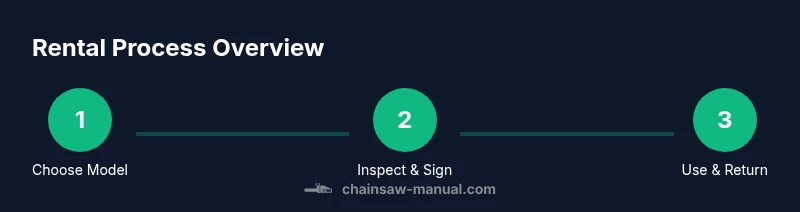
Renting a big chainsaw lets you tackle large cutting jobs without owning gear. To do it right, follow these quick steps: 1) Assess the job and choose a bar length and power class suitable for the work; 2) Check rental terms, fuel policy, and required credentials; 3) Inspect the unit on pickup and verify safety features; 4) Always wear PPE and review operator guidelines before starting.
Why Renting a Big Chainsaw Often Makes Sense
For many homeowners, tree-care pros, and DIY crews, renting a big chainsaw is more practical than owning one. A high-powered saw offers the reach and depth needed for large diameter logs, storm cleanup, or commercial land-clearing projects, but it comes with storage, maintenance, and transport costs. Renting lets you access a newer, safer model without committing to long-term ownership. It also reduces the risk of owning equipment you rarely use, which is a common pitfall for casual users.
According to Chainsaw Manual, a rental is especially sensible when the job duration is uncertain or when you need to test different bar lengths before purchasing. Rental shops typically provide trials with safety briefings, inspection services, and fuel policies that can be more favorable than a lone purchase. Before you choose, assess the scope of work, terrain, and your crew’s experience to determine whether a mid- or long-reach unit is the best fit for the project.
Key Models and Why Size Matters
Selecting the right big chainsaw means balancing power, bar length, weight, and maneuverability. Bar lengths for large tasks typically range from 18 inches to 40 inches, with longer bars offering deeper cuts but heavier handling. When renting, consider whether you’ll be cutting straight trunks, felling large trees, or performing limbing and bucking in confined spaces. A mid-range 20–32 inch bar may handle most yard-scale jobs, while a 36–40 inch unit might be needed for log deck work or storm cleanup. Chainsaws in this class often use two-stroke engines and require more robust safety features, such as chain brakes, inertial shutoffs, and enhanced anti-vibration systems. If you’re unsure, start with a mid-length bar and adjust based on your comfort and accuracy. The Chainsaw Manual team recommends requesting a demonstration or a test cut if the rental shop offers one, to confirm balance and kicking resistance before you commit.
How to Choose a Rental Provider
Look for rental shops that emphasize safety training, clear terms, and reliable equipment. Verify that the provider requires operator certification or demonstrates basic competency, especially for big chainsaws. Check inclusions: is a fuel policy part of the deal? Does the rental cover bar oil, chain sharpness, and a spare chain or a backup bar? Reading the rental agreement carefully helps you avoid surprise charges for late returns, fuel, or damaged blades. Ask about delivery options to your site, inspection at pickup, and the ability to swap units if the saw feels off balance. Consider purchasing optional add-ons like a chain brake lock and protective case if available. Finally, compare multiple shops to see who offers the best combination of price, available models, and safety support. Chainsaw Manual notes that reputable rental houses will provide PPE recommendations and a brief on local regulations that affect operation anywhere you work.
Safety, PPE, and Training for Big Chainsaws
Big chainsaws demand strict safety practices. Always wear a certified ANSI/OSHA-compliant PPE kit: helmet with face shield, hearing protection, cut-resistant chaps, gloves, and steel-toed boots. Ensure you have training on kickback awareness, chain brake use, and chain tension checks. Before starting, inspect the bar and chain for nicks, ensure the chain is sharp, and double-check fuel and oil levels. During operation, maintain a stable stance, keep both hands on the saw, and use a controlled cutting tempo. If you’re working with a crew, establish clear communication signals and a safe retreat path. Remember that rental environments may include varied machine weights and balance; take a quick test cut in open space to feel the saw’s response before engaging rougher material. The Chainsaw Manual team emphasizes following local PPE requirements and never bypassing safety features to save time.
Practical Renting Process: Inspect, Document, and Use
From pickup to return, follow a consistent process. Upon delivery, photograph the unit in its as-received condition, including the bar/tail, chain tension, and any scuffs. Confirm the model, bar length, engine type, and fuel policy with the shop, and obtain written terms for fuel, maintenance, and return conditions. Inspect the chain for sharpness and tension; request a replacement if it feels dull or loose. Start the unit in a safe, open area to test idle and throttle response, then perform a light cut to gauge kickback risk. If you notice unusual vibrations, abnormal sounds, or leaks, pause work and request a swap. Maintain a dedicated work area with clear lighting, a stable surface, and material to cut. At the end of the job, clean the saw, re-check fuel and oil levels, and return it on schedule with all accessories and safety gear. Chainsaw Manual suggests keeping a copy of the rental agreement and documenting any damage before transport back to the shop.
Maintenance, Warranty, and After-Rental Care
Maintenance for a rental saw is largely the shop’s responsibility, but you should help by performing quick checks during use. Always fuel and oil according to the provider’s guidelines, purge air vents if necessary, and wipe down the exterior after work. If a spare chain or bar is included, practice safe storage and transport. Return the saw with the same level of fuel and oil as received, unless the policy states otherwise, and forewarn the shop about any mechanical issues you observed during use. If the rental includes a warranty or coverage for accidental damage, document the terms and understand what counts as wear and tear. When you’re done, inspect the chain brake, clutch, and safety switches to ensure they function correctly on return, and re-pack all safety gear. The Chainsaw Manual team advises keeping a log of usage hours and routine maintenance performed while the saw was in your care, to make future rentals smoother.
Authoritative sources on chainsaw safety
For further reading, consult credible, official sources that provide safety guidelines and best practices:
- OSHA: https://www.osha.gov
- NIOSH: https://www.cdc.gov/niosh
- Extension services and university publications: https://extension.psu.edu or equivalent educational resources
These references help verify approved practices, PPE requirements, and safe operating procedures for working with large chainsaws.
Tools & Materials
- Personal Protective Equipment (PPE) kit(Hard hat with face shield, hearing protection, cut-resistant chaps, gloves, boots with steel toes)
- First aid kit(Basic trauma supplies suitable for outdoor work)
- Fuel and fuel can(Two-stroke mix if required; check rental shop policy)
- Bar oil(Lubricant specific to chain and bar; carry spare if available)
- Spare chain or backup bar(Useful if the chain dulls or the bar shows wear on site)
- Owner's manual or model specs(Helpful to confirm safe operating procedures)
- Work gloves(Grip and cut resistance for handling the saw)
Steps
Estimated time: 90-120 minutes
- 1
Assess Job Needs
Clarify the diameter of material, terrain, and access. This determines the bar length, power class, and whether a single operator or crew is needed. Your assessment guides which rental unit to request and helps avoid over- or under-specified equipment.
Tip: Document the job scope and bring it to the rental counter to expedite selection. - 2
Review Rental Terms
Read the rental agreement for fuel policy, late fees, damage waivers, and what is covered if a component fails. Confirm whether operator supervision or training is needed and what happens if you need a swap mid-project.
Tip: Ask for a written copy of terms and request a quick safety briefing if offered. - 3
Inspect Pickup Unit
Physically inspect the saw at pickup: chain tension, bar condition, spark plug, air filter, and overall cleanliness. Verify the fuel level, ensure safety features (chain brake, switch lock) work, and confirm that spare parts are available if needed.
Tip: Take photos of the unit’s condition to avoid disputes on return. - 4
Prepare Safety Gear & Site
Set up your work area with good lighting, stable ground, and a clear retreat path. Don all PPE before starting, and ensure spectators are clear. Establish a clear communication plan if working with others.
Tip: Place a visible signal or call-out when a cut is about to begin to keep bystanders safe. - 5
Start & Test the Saw
Start the engine in a controlled space, run at idle, and perform a light test cut away from people. Check throttle response and reaction to the chain brake. If anything sounds off, stop and request a swap.
Tip: Always test on a non-critical piece of wood before prolonged work. - 6
Operate Safely & Efficiently
Use a steady stance and two-handed grip, feed cuts with controlled pace, and avoid twisting the saw. Watch for kickback while cutting at awkward angles and keep the bar away from your body. Rotate tasks to stay rested.
Tip: Keep the chain sharp and oil flow steady to minimize heat buildup and binding. - 7
Return & Report
Refuel and clean the saw if required by policy, return all accessories, and report any damage or unusual performance issues. Obtain a receipt confirming equipment return time and condition.
Tip: Document final condition and compare with pickup photos to avoid disputes.
FAQ
Is it safer to rent a big chainsaw than buy one?
Renting can be safer for occasional or uncertain workloads because you access newer safety features and proper maintenance without long-term ownership. However, safety ultimately depends on proper training, PPE, and following manufacturer guidelines.
Renting a big chainsaw helps you access newer safety features without ownership cost, but safety still depends on proper training and PPE.
What bar length qualifies as a 'big' chainsaw?
A big chainsaw typically features a longer bar, commonly in the 28–40 inch range, designed for large diameter wood and heavy-duty jobs. Choose based on your material size and working space.
Big chainsaws generally have longer bars, around 28 to 40 inches, chosen for the job size and space you have.
Do rental shops require operator training?
Many shops require basic competency or training, especially for larger saws. Check terms before pickup and request a safety briefing if offered.
Some shops require basic training; verify at the counter and request a safety briefing if available.
Can I use my own fuel in a rental saw?
Fuel policies vary by shop. Some shops supply fuel; others allow your own if it matches the engine's requirements. Always confirm prior to pickup.
Fuel policy varies by shop—confirm before pickup and follow their guidelines on fuel mixtures and use.
What insurance or liability coverage comes with rental?
Most rental agreements include basic liability terms; extended coverage may be available for higher-value units. Read the waiver and confirm what is covered for damage or loss.
Rental agreements usually include basic liability terms; ask about extended coverage and what damages are covered.
Watch Video
The Essentials
- Choose the right model for the job.
- Inspect the unit before use.
- Always wear PPE and follow safety guidelines.
- Return the saw in good condition to avoid penalties.