Where Can I Rent a Chainsaw? A Practical Guide for 2026
Learn where to rent a chainsaw, compare options, and follow safety-first steps. This Chainsaw Manual guide covers rental channels, deposits, and best practices for 2026.


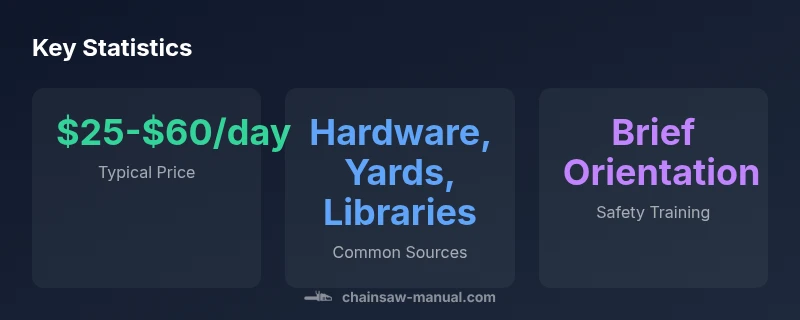
Where can I rent a chainsaw? You can rent from big-box hardware retailers, dedicated equipment rental yards, local tool libraries, and some independent garden centers. Availability varies by region, but urban and suburban areas typically offer multiple options. Expect a brief safety orientation, ID and payment, and a refundable deposit. Chainsaw Manual analysis, 2026 shows many shops stock common models suitable for pruning to light logging.
Where to look first for rentals
If you’re asking where can i rent a chainsaw, start with multiple reliable channels. For most homeowners and DIY enthusiasts, the best first stop is a local hardware store or home improvement retailer that rents tools. These outlets typically carry 12- to 24-inch bar-length saws, with safety accessories available for rent or purchase. Next, dedicated equipment rental yards and tool-rental specialists offer a broader range of models, from compact pruning saws to professional-grade units. Community resources, such as tool libraries or maker spaces, are another great option for short-term needs. Finally, online marketplaces and peer-to-peer rental platforms can fill gaps, especially if you live in a rural area with fewer local options. Regardless of source, you’ll usually reserve a time slot, bring valid ID, and pay with a credit card or deposit. Chainsaw Manual Analysis, 2026 indicates that availability tends to be higher on weekends and during spring/fall seasons when projects are common. Plan ahead, compare hours, pickup or delivery options, and check return policies before committing.
What to expect at the rental counter
At the counter, expect a brief safety orientation and a check that you meet basic requirements to operate a power saw. You’ll typically present a valid photo ID and a credit card for the deposit. Some shops require you to wear PPE—hard hat, hearing protection, eye protection, and cut resistance pants—before handling any saw. If you’re new to chainsaws, ask for a quick tutorial on starting procedures, chain-brake usage, and fuel handling. Make sure you know the fuel policy (gasoline mix ratios or pre-filled fuel) and whether bar oil is provided or you need to buy it separately. Some rental locations offer basic accessories like chains and extra chains, but many expect you to supply your own if you have preferences. If you’re renting for a yard or tree-care project, tell the clerk the workload so they can steer you toward a model with appropriate power and bar length. Real-world practice from Chainsaw Manual indicates most shops can tailor the selection to your comfort and skill level while keeping safety as the priority.
Choosing the right chainsaw for your job
The main determinant is bar length and power class. For pruning and light trimming around the home, a compact 12–16 inch bar is usually sufficient, while small-to-medium wood cutting often requires 16–18 inches. Larger jobs or felling tasks may justify 20–24 inches or more. In most rental settings, you’ll find both gas-powered units for high-throttle performance and electric or cordless models for cleaner, quieter operation. Consider weight, vibration, and ease of starting when you’re choosing between a rental option. If you’re uncertain, ask the rental staff to recommend a model based on the wood type, log diameter, and your experience level. Also assess chain type and pitch for your intended tasks; a dull or mismatched chain will hamper safety. Chainsaw Manual’s guidance for tool choice emphasizes matching the saw to the work and your training level to minimize kickback and fatigue.
Safety considerations and PPE for rental users
Safety should be your top priority whenever you use a chainsaw, especially when you don’t own the tool already. Always wear a helmet with face shield, hearing protection, chainsaw chaps, gloves, and sturdy boots. Ensure you have a secure footing, avoid overhead work, and never cut above shoulder height. Before starting, inspect the chain tension, chain oil, fuel supply, bar condition, and chain brake. Check the chain for dullness or damaged teeth and replace if needed. Take the time to understand the chain brake, throttle lock, and emergency shutoff. If you’re unsure, decline to operate the saw and ask for a demonstration. The rental staff should accompany you with a brief safety briefing; if not, seek a different outlet. Following Chainsaw Manual’s safety framework reduces the risk of injury and equipment damage during rental use.
Rental contracts, deposits, and policies
Most rental agreements include a deposit, a fuel policy, and a defined return time. Deposits can be cash or card-based and are typically refundable if the tool is returned in good condition. Fuel policy varies: some shops include fuel or require you to return the unit full; others may charge for missing fuel. If you damage the tool, you may be liable for repairs or replacement; read the agreement’s liability section. Be aware of late fees, cancellation windows, and extension options. Some stores restrict weekend returns or require you to schedule pickup ahead of time. After your job is completed, re-check the tool for any damage or missing parts and report issues immediately to avoid disputes. Chainsaw Manual Analysis, 2026 indicates that clear, written terms help prevent misunderstandings between renters and shops.
Inspection and test-cut tips before taking it home
Perform a quick, thorough inspection before driving away. Check chain tension (loose or overly tight can slip or snap), lubrication, and fuel level. Spin the chain by hand to confirm movement and verify the bar has no cracks. Inspect the air filter and recoil starter for damage or wear. Start the saw in a well-ventilated area or outside, using the correct choke and starting procedure, and test the chain brake and throttle to ensure they respond smoothly. Do a small test cut on a branch or a softwood log to gauge balance, weight, and cutting response. If anything feels off, return the unit or request a different model. Keeping notes on the tool’s condition helps resolve any return-day disputes. According to Chainsaw Manual’s field checks, a quick run-through reduces surprises after you load the saw at home.
Maintenance while rented and return best practices
During a rental, avoid performing major repairs; rely on the rental shop for maintenance concerns. If allowed, wipe down the exterior, clear sawdust from ventilation slots, and keep the chain oiled and clean. Do not mix fuels unless the shop approves; never allow smoking near gas or oil containers. Bring the tool back with the same or clearly documented fuel level and oil status; obstructions or heavy dirt may incur cleaning fees. Return the chain with its bar and chain in proper tension, and include any accessories such as spare chains, scabbards, or files. A well-maintained return helps you recover your deposit faster and reduces the risk of extra charges. Chainsaw Manual emphasizes documenting the tool’s condition at return; a simple checklist can save time and money.
Alternatives to renting and saving money
If a project is short, consider borrowing from a neighbor or friend, or check a community tool library or makerspace for a low-cost or free loan. Some areas host rental cooperatives where members share equipment with defined loan periods and check-in processes. If you expect to use a chainsaw only occasionally, renting remains the most economical option, but a trial with a low-cost tool can help you gauge needs before buying. Compare total costs, including fuel and maintenance, and evaluate whether a purchase or subscription service might be more economical in the long run. Finally, remember to practice safe usage, especially when you’re trying a new model for the first time; a safe approach reduces risk and returns satisfaction.
Rental sources by availability and price
| Source | Availability | Price Range | Notes |
|---|---|---|---|
| Big-box hardware store | High | $25-$60/day | Walk-in, broad selection |
| Dedicated tool rental shop | High | $30-$70/day | Staff can help match model to task |
| Community tool library | Medium | $0-$25/day | Membership or time-limited loans |
| Online marketplace / peer-to-peer | Medium | $20-$75/day | Check seller reputation and insurance |
FAQ
Do I need a license to rent a chainsaw?
No professional license is required to rent a chainsaw in most regions. You’ll usually need a valid ID and to complete a brief safety briefing. Some shops may ask for proof of training if you’re a first-time user.
In most places you don’t need a special license to rent a chainsaw; you’ll just go through a quick safety briefing and show ID.
Are electric chainsaws easier to rent?
Electric chainsaws are commonly available for rent and can be easier to handle for beginners or indoor tasks. They’re quieter, produce fewer emissions, and typically require less maintenance than gas models. Availability may be lower in rural areas unless you use a large rental provider.
Yes—electric chainsaws are often easier to rent and use, especially for quieter, indoor-friendly jobs.
What should I bring to rent a chainsaw?
Bring a valid photo ID and a payment method for the deposit. Depending on the outlet, you may also need PPE or a quick safety briefing. If you already own PPE, carrying it can speed up the process.
Bring ID and a payment method; check if PPE is provided or if you should bring your own.
What if the saw breaks during rental?
Notify the rental shop immediately. Most outlets will assess the damage and determine whether repairs or a replacement is required under the rental agreement. You may be responsible for charges beyond the deposit.
If it breaks, tell the shop right away so they guide you through next steps.
How long can I rent a chainsaw?
Rental durations vary, but common windows are 1–7 days for residential work. Some shops offer extensions if you need more time. Review the return policy before taking the tool home.
Most rentals run 1–7 days, with extensions possible depending on availability.
Do I need experience to rent a chainsaw?
Most outlets don’t require formal chainsaw experience to rent, but you’ll benefit from a basic safety briefing and a quick tutorial. If you’re unsure, choose a smaller model and practice in a safe area.
No formal experience required, but a safety briefing helps a lot.
“Renting a chainsaw is safe when you match the tool to the job and follow the rental shop's safety protocol.”
The Essentials
- Assess project needs before renting
- Compare sources for price, model range, pickup hours
- Inspect the tool before use and follow safety brief
- Understand fuel/deposit policies to avoid fees
- Consider community tool libraries to save money