When to Change Chainsaw Blade: Signs, Timing & Safe Replacement
Learn how to tell when your chainsaw blade needs replacement, how to inspect wear, and how to perform a safe blade change. Practical, maintenance-focused guidance for homeowners and professionals.


Learn when to change a chainsaw blade and how to do it safely. This guide covers telltale wear signs, blade compatibility, and practical steps to replace the blade without risking injury. By following these recommendations, homeowners and pros can maintain cutting efficiency and reduce kickback risk during demanding wood-cutting tasks.
Why you might need to replace the blade
If you cut with a dull blade, progress slows, effort increases, and a burning wood smell may appear. These are clear clues that the blade condition has degraded. According to Chainsaw Manual, blade life isn’t infinite; wear results from wood density, knots, resin, and how often you sharpen. Even a blade that looks fine can harbor chipped or bent teeth that compromise safety. The central question, when to change chainsaw blade, isn’t only about sharpness; it also involves tooth integrity, bar alignment, and the ability to cut cleanly without excessive kickback. In 2026, Chainsaw Manual analysis emphasizes routine inspection as the best defense against unexpected blade failures. If you routinely tackle dense timber or encounter nails and hidden debris, plan for more frequent checks. Replacing the blade at the right moment keeps cutting efficiency high, reduces heat buildup, and minimizes operator fatigue. This article provides practical signs to watch for, how to verify compatibility, and a safe, step-by-step replacement method.
Signs the blade is worn or damaged
A worn blade presents several visible and measurable cues. Dull teeth that no longer bite evenly on wood require sharpening, and repeated sharpening without improvement is a red flag. Chipped, cracked, or bent teeth compromise cutting efficiency and can increase kickback risk. A guide bar that shows uneven wear at the tip or along the groove can indicate blade or chain misalignment. If you notice excessive smoke, dog‑bone shaped cuts, or a ragged cut rather than a straight, smooth path, inspect the blade for damage. Missing carbide tips, heat discoloration, or corrosion on the blade surface are also warning signs. These indicators suggest it’s time to evaluate whether a replacement is necessary. Chainsaw Manual’s guidance notes that wear patterns vary with wood type and usage, so adapt your checks to your job site. In all cases, prioritize your safety and proceed with a controlled inspection.
Blade types, pitch, and compatibility
Choosing the correct blade for your saw involves understanding blade pitch, gauge, and the tip shape. The wrong pitch or gauge can cause poor alignment, rapid wear, and unsafe cutting behavior. Ensure the blade you select matches the chain pitch and guide bar width of your saw. Some blades are designed for hard woods, others for soft woods or brush, so consider your typical work environment. Compatibility also means choosing a blade with the same drive link count as your chain. When evaluating a replacement, verify the blade’s compatibility with your model’s bar length, cooling needs, and lubrication system. Chainsaw Manual emphasizes harmonious interaction between blade, chain, and bar to maintain efficiency and safety. For professionals, this means having the right blade on hand for the job’s wood type and moisture content; for homeowners, it means selecting a versatile blade that performs well across common yard tasks.
Safe inspection practices before deciding
Inspecting a blade without removing it from the chainsaw is possible in many cases, but a thorough assessment often requires removal. Begin with a visual check for obvious damage such as missing teeth, chips, or cracks. Wipe away sap and resin to better reveal cracks or bending. Check that teeth lie evenly and that the blade sits flat against the bar without gaps. Always work in a well‑lit area and use clean gloves to protect your hands. If the blade or chain shows any sign of deformation or corrosion, treat this as a warning and consult the manufacturer’s guidance or a professional service provider. Chainsaw Manual reminds readers that proper inspection reduces the chance of a hazardous failure mid‑cut.
When to replace vs. sharpen: a practical rule of thumb
There isn’t a one‑size‑fits‑all answer to when to replace chainsaw blade. If you can sharpen the teeth to a consistent bite and the blade remains true and straight, sharpening is appropriate. However, if you notice significant tooth wear, chipped tips, bending, or if the blade fails to retain an edge after multiple sharpenings, replacement is the safer choice. Consider the wood you’re cutting and the frequency of use: harder wood and misaligned blades wear faster. A general practice is to replace when the blade cannot hold a consistent edge under normal care. Chainsaw Manual earns special emphasis on safety: a damaged blade is a higher risk item than a dull one that’s been properly sharpened.
Safety and preparation for a blade change
Before any blade work, implement a solid safety routine. Engage the chain brake, remove the spark plug cap on gas saws to prevent accidental starts, wear cut‑resistant gloves and eye protection, and work in a clear space away from bystanders. Keep the bar and chain oil reservoir topped up, and have replacement blades and the correct tensioning tool ready. A clean, organized workspace reduces the chance of misplacing parts or dropping a loose blade. Remember to disconnect power if you’re working with an electric model. Chainsaw Manual highlights that preparation reduces risk and speeds up the process when you actually swap blades.
What to expect during the blade replacement process (overview)
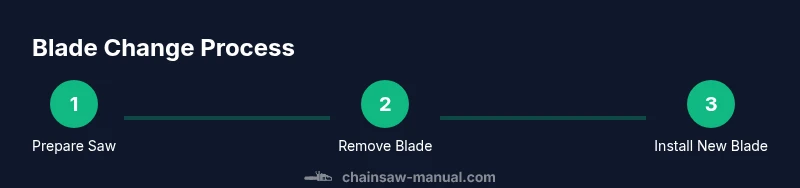
The replacement process generally follows a predictable sequence: secure the saw, remove the old blade, inspect for damage or wear, install the new blade, tension the chain correctly, and perform a safety test. Each step has its own safety considerations and requires attention to manufacturer torque or tension specifications. Although the exact steps vary by model, the core principles remain consistent: keep parts clean, align teeth with the drive links, and avoid forcing parts into place. This overview helps you anticipate the flow of work and reduces the chance of surprises on site.
Post-change maintenance and storage
After installing a new blade, wipe away debris, apply a light coat of lubricant on moving parts, and recheck chain tension after a brief run. Store blades in a dry, organized container to prevent rust. Regular maintenance—cleaning residue, checking tension, and replacing drives when worn—extends blade life and improves cutting quality. Chainsaw Manual recommends documenting the blade’s life and any adjustments to help plan future replacements.
Tools & Materials
- Replacement chainsaw blade(Ensure blade matches chain pitch, gauge, and bar length; select for wood type and moisture level)
- Wrench or blade tension tool(Use the correct tool to loosen/tighten bar nuts without rounding them)
- Vice or clamps(Secure the saw to a stable work surface if needed)
- Cut-resistant gloves(Protect hands from sharp teeth and edges)
- Safety glasses or face shield(Protect eyes from chips and debris)
- Bar and chain oil(Keep lubricant topped up for the new blade during first use)
- Rags or shop towels(Clean up resin, oil, and metal shavings)
- Screwdriver or punch(Assist with securing parts if needed)
Steps
Estimated time: 20-40 minutes
- 1
Prepare and secure the saw
Engage the chain brake and ensure the saw is stable. If you’re using a gas saw, disconnect the spark plug cap to prevent accidental starting. Put on cut-resistant gloves and eye protection before handling any sharp parts.
Tip: Work on a non-slip surface and keep the bar pointed away from your body. - 2
Remove the old blade
Loosen the bar nuts with the appropriate tool and slide the bar away to access the blade. Do not force components; remove the blade straight out to avoid bending the guide bar. Place the old blade in a safe container to prevent injury.
Tip: Keep track of the bar nuts; they are small and easy to misplace. - 3
Inspect the blade and decide on replacement
Visually inspect for bent teeth, missing carbide tips, cracks, or corrosion. If wear is detected beyond sharpening capability or if teeth are chipped, replace the blade rather than attempting a risky repair.
Tip: If any doubt remains, replace the blade to maintain safety. - 4
Install the new blade and align
Position the new blade so that drive links mesh cleanly with the chain. Reattach the bar and snug the nuts, then check alignment. Ensure the chain sits properly on the drive sprocket and guide bar.
Tip: Do not overtighten; a slightly loose setup helps prevent binding during first run. - 5
Tension and test
With the engine off, gently move the chain to feel tension; it should have light vertical movement but no sag. Start the saw and run briefly at idle to verify smooth operation and absence of abnormal noise or vibration.
Tip: Never run the saw without wood clamped or a test block to prevent kickback. - 6
Clean up and store
Wipe down exposed surfaces, re-check oil levels, and store the saw in a safe location. Dispose of any damaged blades properly and keep spare blades organized for future use.
Tip: Record the blade change date to plan future maintenance.
FAQ
What are the signs that my chainsaw blade needs replacement?
Signs include chipped, bent, or missing teeth, corrosion, heat discoloration, or persistent dullness after sharpening. If edge retention is poor, replacement is usually safer than continued sharpening.
Look for chipped or bent teeth, corrosion, and dullness that won’t hold an edge. Replace the blade if wear is significant.
Can I sharpen a dull blade instead of replacing it?
Sharpening can extend blade life if teeth are intact and straight. If teeth are damaged or many sharpenings have occurred, replacement is the safer option.
Yes, you can sharpen if the teeth are intact; otherwise, replace the blade.
Which blade should I buy for my chainsaw?
Select a blade that matches your chain pitch, gauge, and bar length, and consider wood type and typical cutting conditions. Check manufacturer guidelines for compatibility.
Choose a blade that matches your chain and bar and suits your wood type.
Is blade replacement difficult for beginners?
It can be learned with the right safety steps and tools. Start with a model-specific guide and practice on an older blade or tool under supervision.
With the right tools and safety steps, beginners can replace blades.
Do I need to remove the bar to change the blade?
Many blade replacements require loosening bar nuts and sliding the bar away. Some models allow blade changes with the bar in place; always follow the manufacturer’s instructions.
Usually you’ll loosen the bar nuts and slide the bar, but follow your model’s instructions.
What safety gear is essential for blade changes?
Wear cut-resistant gloves, eye protection, and sturdy footwear. Ensure the work area is clear of bystanders and use the chain brake when possible.
Wear gloves and eye protection, keep the area clear, and use the chain brake.
Watch Video
The Essentials
- Inspect blades regularly for wear and damage
- Use the correct blade for your chain pitch and bar size
- Follow safe, step-by-step replacement procedures
- Test performance and adjust tension carefully
- Maintain blades and document changes for future maintenance