How to Clean a Chainsaw Carburetor: Safe, Step-by-Step Guide
Learn how to clean a chainsaw carburetor safely with a detailed, step-by-step method, essential tools, and maintenance tips from Chainsaw Manual.


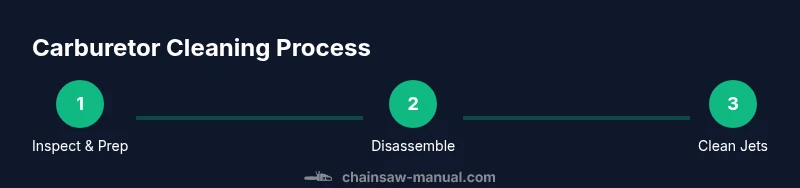
By following this guide, you’ll confidently clean a chainsaw carburetor to restore fuel flow and reliable idling. You’ll learn how to identify symptoms, gather the right tools, safely disassemble the carburetor, clean jets and passages, rebuild seals, and test the engine. Follow cautionary steps to avoid flooding, leaks, or damage to sensitive components.
Understanding the carburetor in gas chainsaws
A chainsaw carburetor mixes air and fuel to create the combustible charge that powers the engine. In small engines, fuel quality, air filtration, and clean passages are essential for reliable starts and steady idling. If the mixture is off or varnish builds up in jets, you’ll experience hard starting, rough running, or stalls. This section explains the carburetor's role and how the right maintenance helps you avoid expensive repairs. According to Chainsaw Manual, keeping the carburetor clean is one of the most effective ways to extend tool life.
The carburetor sits between the air intake and the fuel line. It meters fuel through jets and a metering diaphragm, which responds to engine vacuum and throttle position. When dirt, varnish, or gum deposits clog these routes, fuel delivery becomes inconsistent. That inconsistency translates into lean or rich mixtures, which stress the engine and waste gas. Understanding these basics helps you approach cleaning in a structured, safe way.
Symptoms of a dirty or clogged carburetor
A dirty carburetor disrupts fuel delivery and air flow, leading to warning signs you should not ignore. Common symptoms include hard starting, fluctuating idle, and hesitation or stumble when you open the throttle. Engine RPM may surge or drop without user input, and the saw can stall after a warm-up period. Ethanol-gas blends and stale fuel exacerbate varnish buildup, making symptoms appear sooner. By recognizing these cues, you can decide whether cleaning or a rebuild is warranted.
If you notice black smoke from the exhaust, fuel leaks around gaskets, or the saw runs only at high idle, plan a focused cleaning session and inspect seals and diaphragms for wear. Regular maintenance reduces the likelihood of sudden failures during cutting work.
Safety and prep before you start
Working on a carburetor requires attention to safety. Always work in a well-ventilated area away from open flames, and wear eye protection and gloves. Disconnect the spark plug cap to prevent accidental engine starts, and drain or stabilize fuel to minimize spills. Have a clean workspace with organized small parts containers, so you don’t lose tiny jets or diaphragms. This preparation reduces the risk of mistakes that can worsen carburetor performance.
Weather, fuel quality, and carburetor performance
Fuel quality directly affects carburetor efficiency. Ethanol blends can attract moisture and cause varnish formation in the fuel system, especially in older saws or if fuel has sat for weeks. Using fresh, stabilized fuel and running the engine periodically helps keep passages clear. Keep the air clean and the fuel lines free from cracks; a small leak can cause lean conditions that manifest as performance loss. These factors all influence how you approach cleaning and tuning.
Cleaning overview: what to expect and why
Cleaning a carburetor involves a careful inspection, disassembly of select components, and targeted cleaning of jets and passages. You’re aiming to remove varnish and gum that restrict fuel flow without damaging delicate diaphragms. Expect to reassemble with new gaskets if needed and to test the engine under load to confirm a clean, stable idle. The goal is reliable starts and smooth operation rather than a quick, superficial wipe.
Step-by-step overview before you disassemble
Before taking anything apart, map the carburetor’s layout and reference the saw model’s service manual. Photograph each stage and lay out screws, jets, and diaphragms in a logical order. This approach minimizes reassembly errors and helps you verify that you replaced worn components. A systematic plan reduces downtime and increases the likelihood of a successful clean.
Aftercare and maintenance routines
Once the carburetor is clean and reassembled, it’s important to recheck all connections, fuel lines, and the air filter. Run the engine at low and mid-throttle to confirm a stable idle, then perform a brief load test to verify power delivery. Schedule regular maintenance, including a carburetor check every season or after long storage. Keeping a maintenance log helps you stay proactive rather than reactive.
Common mistakes to avoid
Avoid spraying cleaner directly into openings without removing the jets first; wicking solvents can push debris further into the passages. Do not reuse damaged diaphragms or gaskets, and never overtighten screws, which can warp the carb body. Finally, never run the saw on an almost-empty tank to prevent running lean while cleaning and tuning.
Tools & Materials
- Carburetor cleaner spray(Choose a fast-evaporating solvent; avoid chlorinated cleaners.)
- Safety goggles(Protect eyes from splashes and debris.)
- Nitrile gloves(Keep hands clean and prevent fuel contact.)
- Small flathead screwdriver(For jets and small screws.)
- Small Phillips screwdriver(For mounting screws.)
- Needle-nose pliers(Grip diagraphs and small parts.)
- Compressed air can (optional)(Blow dust from hard-to-reach passages.)
- Soft brush or pipe cleaner(Dislodge varnish without scratching.)
- Clean, labeled containers(Keep jets and diaphragms organized.)
- Replacement gaskets/diaphragms (if worn)(Assess during disassembly.)
- Service manual for your saw model(Model-specific steps and torque specs.)
Steps
Estimated time: 60-90 minutes
- 1
Power off and secure the workspace
Shut off the chainsaw and disconnect the battery or remove the spark plug cap to prevent accidental starts. Set up a clean, well-lit workspace with a tray for small parts and a container for any fuel spills. This initial step reduces risk and keeps parts organized.
Tip: Take a quick photo of the carb layout before you touch anything. - 2
Remove air filter housing
Loosen the air filter cover screws and detach the housing to access the carburetor. Inspect the air filter for excess dirt and replace if clogged. A clean intake improves airflow and makes carburetor cleaning more effective.
Tip: Don’t press on the throttle while removing the air filter to avoid engine rumble. - 3
Detach the fuel line from the carb
Gently release the fuel line from the carburetor fittings, catching any drips in a absorbent pad. Cap or plug the line to prevent contamination. This prevents fuel from running into the carb during disassembly.
Tip: Label the fuel line connection for accurate reattachment. - 4
Unbolt the carburetor mounting nuts
Loosen and remove the carburetor mounting nuts while supporting the carb to prevent it from snapping or tipping. Lift the carb away from the engine bay with steady hands. Keep screws and washers in a labeled tray.
Tip: Place removed hardware in separate compartments to avoid mix-ups. - 5
Inspect the carb body and diaphragms
Check for cracks, wear, or oily residues on gaskets, diaphragms, and the main body. If you find damage, replace the affected parts rather than reusing worn components. Visual inspection pays off in long-term reliability.
Tip: If unsure about diaphragm condition, replace to avoid leaks. - 6
Disassemble to access jets
Carefully remove the top cover and note the jet positions. Use the correct screwdriver to extract the idle and main jets without bending the diaphragms. Keep each jet in its own labeled container.
Tip: Take extra care not to nick the needle seat or diaphragms. - 7
Clean jets and passages
Spray carb cleaner into jets and passages; use a soft brush to remove varnish. Blow air through the passages with a can of compressed air or a manual air blower. Ensure all routes are clear before reassembly.
Tip: Never force a jet; if it’s blocked, replace it rather than risk damaging the seat. - 8
Reassemble with new gaskets
Install new or inspected diaphragms and gaskets, reseat the jets, and secure the top cover. Check the diaphragm seating to ensure there are no folds or pinches. A proper seal is critical for accurate fuel metering.
Tip: Lightly coat gasket faces with a thin film of clean oil to prevent sticking. - 9
Reinstall carb and reconnect lines
Mount the carburetor back onto the intake, tighten nuts to the manufacturer’s torque specs, and reconnect the fuel line. Reattach the air filter housing and verify all clamps are secure. This restores the engine’s air-fuel path.
Tip: Double-check fuel line routing to avoid kinks. - 10
Start and tune idle
Start the engine in a well-ventilated area and observe idle stability. Adjust idle speed and air-fuel mixture as needed per the saw’s manual instructions. If the engine hesitates or stalls, recheck for leaks and ensure the jets are clean.
Tip: Make small adjustments and test after each change to avoid over-tuning.
FAQ
Do I need to remove the carburetor to clean it?
In many cases you can clean the accessible jets and passages without fully removing the carburetor. If performance remains poor after surface cleaning, removing the carb for a deeper rebuild is prudent. Always refer to your saw’s service manual for model-specific guidance.
You can often clean accessible parts without fully removing the carburetor, but deeper issues may require removal per the manual.
What carburetor cleaners are safe to use on chainsaws?
Use a carburetor cleaner designed for small engines. Look for products that state safe use on diaphragms and gaskets and avoid chlorinated solvents that can damage components. Always follow the product’s instructions and safety data.
Choose a small-engine carb cleaner and follow the label directions closely.
Can I fix a clogged carburetor without replacing parts?
Many carburetor clogs respond to thorough cleaning, especially if varnish buildup is the issue. If the diaphragm or gasket shows wear or damage after inspection, plan for replacement. Replacing worn parts prevents recurring problems.
Cleaning can fix many clogs, but worn diaphragms or gaskets should be replaced.
How often should I clean the chainsaw carburetor?
There’s no universal interval; clean when you notice performance changes, after long storage, or when fuel quality has been poor. Regular checks before heavy cutting seasons help prevent downtime.
Clean when you notice performance changes or after storage, and do a pre-season check.
What are signs the carburetor needs professional service?
Persistent hard starting, inability to tune idle, or recurring leaks after cleaning are signs that the carburetor or internal components may need specialized service. A professional service can ensure correct calibration and seals.
If repeated problems persist after cleaning, consider professional service.
Is it safe to adjust the mixture screws myself?
Yes, with caution. Make small adjustments per the manual, test the engine, and avoid over-turning screws which can damage seats. When in doubt, revert to the baseline setting and re-check after a cooling period.
Be gentle with mixture screws and test gradually; don’t force them.
Watch Video
The Essentials
- Identify symptoms early to decide cleaning vs. replacement
- Use proper tools and organize parts for quick reassembly
- Clean jets and passages thoroughly to restore fuel flow
- Test idle and mixture carefully to avoid running engine lean