Best Way to Clean Chainsaw Chain: A Safe Step-by-Step Guide
Discover the best way to clean chainsaw chain safely and effectively. This guide covers tools, solvents, step-by-step methods, and maintenance tips to keep your chain sharp and efficient.


Learn the best way to clean chainsaw chain safely and effectively, removing pitch, sap, and grime while preserving chain sharpness. This quick guide outlines what you’ll need, the right cleaning solvents, and practical steps to avoid injury and chain wear. It also notes when to re-lubricate and re-tension the chain after cleaning.
Why cleaning the chainsaw chain matters
Regular cleaning is the first line of defense against reduced cutting performance and dangerous kickback. Grit, pitch, and sap coat the drive links and teeth, increasing friction and wearing past the hardening on the chain. According to Chainsaw Manual, a well-maintained chain runs cooler, cuts more smoothly, and lasts longer between sharpenings. The Chainsaw Manual analysis, 2026, highlights that neglect here often leads to accelerated bar wear and more frequent chain replacements. In practice, a clean chain transfers energy more efficiently from the drive sprocket to the teeth, so you finish jobs faster with less fatigue. This section explains why buildup happens, what to look for, and how to set expectations before you begin.
Safely preparing your workspace and safety gear
Your cleaning area should be well-ventilated, free of ignition sources, and organized so you can move methodically from one task to the next. Wear PPE every time you handle a chainsaw chain: cut-resistant gloves, safety goggles, hearing protection, and sturdy clothing. A clean, dry surface helps you track parts and torque measurements more accurately. Keep a dedicated waste container for soiled solvent and used rags. This preparation reduces the risk of slips, splashes, or accidental starts, and it sets the tone for a careful maintenance workflow that protects both you and your equipment.
Choosing solvents and tools for different conditions
Pitchy wood residues respond differently depending on whether the saw is used in softwood or hardwood. For light buildup, a mild degreasing solvent or a purpose-made chain cleaner works well. For heavy pitch or resin, a more robust solvent like kerosene-based cleaners can loosen grime faster, but ensure adequate ventilation and avoid prolonged exposure of rubber seals. Nylon brushes or soft-bristled scrub brushes remove debris without gouging the links. Have a lint-free rag handy to dry blades completely after cleaning, preventing rust or corrosion on exposed metal surfaces.
Step-by-step overview and what to expect
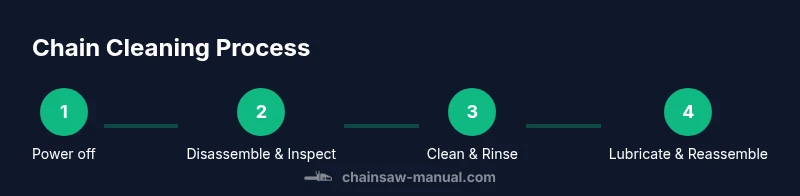
This guide provides a practical workflow that balances thorough cleaning with chain safety. You will remove the chain from the bar, soak and scrub, and then reassemble with correct tension and lubrication. Expect a short dry time to ensure moisture does not promote rust. By following these steps, you minimize heat buildup and wear on the drive links, keeping your cutting performance consistent. The emphasis is on controlled, deliberate actions rather than hurry, so you can complete maintenance without missing crucial details.
How to handle different chain types and conditions
Different chains—varying by pitch, gauge, and drive-link width—respond differently to solvents and brushes. A narrow chain may clean faster but be more prone to kink if mishandled; a wider chain can tolerate a firmer scrubbing but requires careful inspection of the rivets. Always check for bent teeth, stretched rivets, or dull drive links before cleaning, because damaged components need replacement rather than reassembly. Tailor your approach to the chain’s construction and the kinds of wood you typically cut to maximize safety and performance.
Common mistakes and how to avoid them
Mistakes include soaking the chain too long, using aggressive abrasives that damage links, and reassembling with poor tension, which can cause derailment or kickback. Never clean a hot chain; allow it to cool to avoid warping or burns. Do not ignore wear indicators on the drive links or chain plates, and always verify bar and sprocket compatibility after maintenance. Keeping solvents away from rubber seals and lubricants also protects your equipment from accelerated deterioration.
Reassembly, lubrication, and storage tips
After cleaning, re-lubricate the chain with fresh chain oil and reassemble the chain onto the bar with correct tension. A properly tensioned chain should have a slight sag when pressed in the middle between the guide bar rails. Wipe away any excess oil and store the saw in a dry, ventilated space to prevent rust. Regular checks after cleaning help you identify early signs of wear, reducing the risk of sudden failures during use.
Tools & Materials
- Protective gloves(Cut-resistant preferred)
- Safety goggles(Eye protection essential)
- Rags or lint-free cloths(For drying and wiping)
- Wire brush or nylon bristle brush(Avoid metal scrapers that can gouge)
- Old toothbrush or small detail brush(Targets hard-to-reach areas)
- Chain cleaning solvent or kerosene(Use in a well-ventilated area)
- Chain oil for lubrication(Lubricate after cleaning)
- Screwdriver or wrench for bar cover(Optional, depending on saw model)
- Container for soaking (shallow)(Use only for chain soaking)
Steps
Estimated time: 25-40 minutes
- 1
Power off and disconnect spark plug boot
To prevent accidental startup, remove the spark plug boot or disconnect the ignition source before touching the chain.
Tip: Wait for the engine to cool before handling the chain. - 2
Secure the saw in a stable vise
Place the saw on a non-slip surface or in a dedicated vise to prevent movement while you work.
Tip: Use soft jaw pads to avoid marring the bar or cover. - 3
Engage chain brake and loosen side cover screws
Engage the chain brake, then loosen the side cover screws just enough to release tension without fully removing the cover.
Tip: Keep track of screw locations to simplify reassembly. - 4
Release tension and remove the chain from the bar
Slide the chain off the bar teeth and away from the drive sprocket to free the chain for cleaning.
Tip: Lay the chain in the order it sits on the bar for easier reassembly. - 5
Remove the guide bar
Take off the bar to access the chain more fully and inspect the bar rails for wear.
Tip: Support the bar to avoid bending the rails. - 6
Inspect chain and bar for damage
Check for bent teeth, cracked rivets, or excessive wear on drive links and rails.
Tip: Set aside any damaged components for replacement. - 7
Choose a cleaning solvent and prepare soaking setup
Select a safe solvent like kerosene or a designated cleaner; fill a shallow container as needed.
Tip: Work in a well-ventilated area and away from flames. - 8
Soak the chain briefly in solvent
Immerse only the chain for 2-5 minutes to loosen pitch without soaking rivets excessively.
Tip: Do not over-soak; prolonged immersion can damage components. - 9
Scrub the chain with nylon brush
Gently scrub between pins and links to remove resin and grime without abrasively gouging metal.
Tip: Use light-to-moderate pressure and rotate sections to cover all sides. - 10
Rinse and dry thoroughly
Rinse away loosened grime with clean solvent and dry the chain completely with a lint-free cloth.
Tip: Ensure no moisture remains in rivets or gaps. - 11
Reinstall chain on bar and set tension
Place chain back on the bar and adjust tension per your saw’s guidelines to avoid slack or tight links.
Tip: A slight sag in the middle indicates proper tension. - 12
Lubricate, reassemble, and test cut
Apply fresh chain oil, reassemble the saw, and perform a test cut on a soft log to verify smooth operation.
Tip: Stop immediately if you notice binding or excessive heat.
FAQ
Can I clean the chain without removing it from the saw?
Removing the chain gives you full access to all links and rivets, making cleaning more thorough and safer. If you cannot remove the chain, proceed with extra caution and work in small sections.
It's safer to remove the chain so you can clean thoroughly; if you must stay in place, proceed slowly and in sections.
What solvent should I use for cleaning?
Kerosene or a designated chain cleaner is effective for heavy resin, while mild degreasers work for light buildup. Always use in a well-ventilated area and avoid gasoline.
Use kerosene or a proper chain cleaner, and avoid gasoline for safety.
How often should I clean the chain after heavy use?
Clean after heavy use or whenever you notice pitch buildup or reduced cutting efficiency. Regular checks help prevent unexpected wear.
Clean after heavy use or when you see buildup to maintain performance.
Is it safe to sharpen the chain right after cleaning?
Yes, as long as the chain is dry and cool. Re-lubricate after cleaning and sharpening to protect against wear.
Yes, but wait for it to dry and cool before sharpening, then oil.
What PPE do I need for cleaning?
Wear cut-resistant gloves, safety goggles, and hearing protection to shield against debris and solvent exposure.
Gloves, eye protection, and hearing protection are essential.
Watch Video
The Essentials
- Wear PPE before starting the cleaning process.
- Use safe solvents and a nylon brush for effective cleaning.
- Inspect chain and bar for wear before reassembly.
- Lubricate, tension, and test the chain after cleaning.
- Store the saw in a dry place to prevent rust.