How to Clean Chainsaw Bar: Safe, Easy Steps for Homeowners
Learn how to clean a chainsaw bar safely with practical steps, remove pitch, inspect wear, and re-lubricate for reliable performance. Includes tools, step-by-step guidance, safety tips, and a maintenance cadence.


Goal: learn how to clean a chainsaw bar safely, remove pitch buildup, inspect for wear, and apply proper lubrication. Before you start, gather a stiff brush, a metal scraper, mild solvent or kerosene, clean rags, bar oil, gloves, and a small container. Always isolate the bar and chain and work in a well-ventilated area.
Why Cleaning the Chainsaw Bar Matters
Maintaining a clean chainsaw bar is essential for cutting efficiency, chain alignment, and overall safety. A dirty bar can accumulate pitch, sap, and resin that hinder the chain’s movement, throw off tension, and increase wear on the bar rails. According to Chainsaw Manual, regular cleaning helps prevent heat buildup, reduces fuel consumption, and extends bar life by keeping lubrication paths clear. Homeowners and professionals alike benefit from a simple, repeatable routine: remove debris, inspect for grooves or burrs, and refresh lubrication. By dedicating a few minutes after each use, you minimize the risk of jams and performance drops that slow work and raise safety concerns. The approach described here emphasizes safety first, minimal tool investment, and practical steps you can perform in your own workshop or on-site.
Keep in mind that the bar is a precision component. Even small nicks or misalignment can affect how the chain tracks in the bar groove. A clean bar also helps you notice red flags early, like uneven wear, excessive burrs, or damaged rails. If you’re unsure about wear, consult a professional or reference the manufacturer’s guidelines. Chainsaw Manual’s guidance emphasizes slow, deliberate steps and proper PPE to protect hands, eyes, and lungs during cleaning and inspection.
Tools and materials you’ll need
To execute a safe, effective clean, assemble a focused kit before you start. A dedicated work area, good lighting, and a sturdy surface minimize the risk of dropping parts. The core items include a stiff bristle brush, a metal scraper or flat-head tool, a solvent or kerosene for stubborn pitch, lint-free rags or microfiber towels, bar oil or chain oil for lubrication, gloves, and a small container for discarding dirty rags. Optional items like a torque wrench or hex keys come in handy if you need to remove sprockets or tensioners for thorough inspection. When selecting solvents, opt for mild solvents and avoid harsh chemicals that can degrade bar coatings. A bucket with warm, soapy water can clean rags between steps.
Having a dedicated cleaning station keeps oils and solvents away from electrical equipment, pets, and kids. Always work in a well-ventilated area and wear eye protection to guard against splashes. If you’re cleaning outdoors, consider wind direction to prevent solvent fumes from blowing toward you. The goal is steady, controlled actions rather than hurried scrapes that can scratch the bar or lodge debris deeper in the groove.
Step-by-step overview (high-level) and why it matters
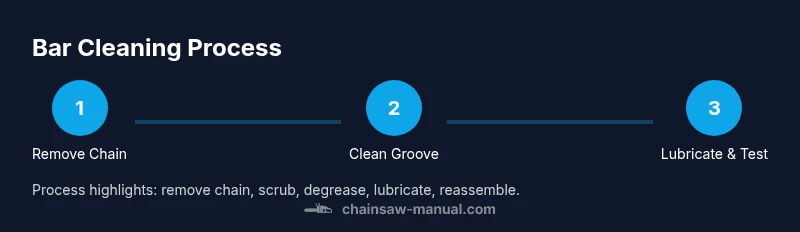
A clear, repeatable sequence reduces the chance of skipped steps and injuries. First, you’ll detach the chain for safe handling, then remove obvious pitch from the bar rails, clean the groove, wipe the bar dry, reapply lubrication, and finally reassemble and test tension. Each stage supports the next: proper chain removal prevents accidental cuts, a clean groove ensures smooth oil delivery, and correct tension prevents chain derailment during operation. The following sections break down each stage with practical tips and timing estimates to help you complete the task efficiently.
Consider taking photos of each step before disassembly so you can verify reassembly later. This is especially helpful if you’ve never worked with a particular bar model or if you’ve recently swapped guide bars from different saws.
Removing pitch and stubborn buildup
Pitch and sap cling to the bar rails and inside the groove, especially after prolonged use in resinous wood. Start with a stiff brush to dislodge loose debris, then switch to a metal scraper to lift baked-on pitch. Dip your brush or scraper in solvent to soften hard deposits, then wipe with lint-free rags. Avoid prying with excessive force; small, steady motions typically yield the best results without scratching the bar. For deeply embedded pitch, a brief soak in mild solvent can help, but do not soak the entire saw or the chain. After soaking, repeat brushing and scraping until the surface feels smooth and free of residue. Dry the bar thoroughly before lubrication to prevent dilution of the oil film.
Inspecting for wear, damage, and alignment
Cleaning is also a chance to inspect the bar for worn rails, burrs, or distortions. Look for shiny grooves that indicate excessive wear, deep nicks at the edges, or a curved bar that could affect chain tracking. Check the groove width with a feeler gauge if you have one, and verify that the bar sits flush against the saw body when mounted. Any noticeable deformation or heavy wear warrants bar replacement or professional evaluation. If you see small burrs, a careful deburring with a fine file can be appropriate, but avoid removing material in a way that changes the rail geometry. The goal is a smooth, square contact surface for optimal lubrication and chain alignment.
Lubrication, tensioning, and reassembly
After the bar is clean and dry, apply a light coat of bar oil along the rails. Lubrication should be even and cover the entire surface but avoid pooling in the groove. Reattach the chain with tension checked according to the manufacturer’s specification, usually allowing slight sag when the chain is pressed midway between roller teeth. Spin the bar by hand to confirm smooth rotation. If you notice binding or excessive noise, recheck chain tension and rail debris. Finally, run the chain at idle briefly to distribute oil; never run a saw at speed without proper lubrication.
Safety and maintenance cadence you can rely on
Regular maintenance reduces downtime and extends tool life. Clean the bar after each day’s use, especially in dirty or resinous conditions, and schedule a deeper inspection after long cutting sessions or when bar wear signs appear. Maintain a predictable cadence: quick wipe-down after each use, then a full clean weekly if used professionally, or monthly for hobby use. Store the bar and chain with a light film of oil to prevent rust and corrosion. Chainsaw Manual emphasizes PPE and careful handling at every stage to minimize injury risk and ensure consistent performance.
Tools & Materials
- Stiff bristle brush(For dislodging pitch and debris from rails and groove)
- Metal scraper or flat-head tool(Lift baked-on pitch without gouging metal)
- Solvent or kerosene(Use in well-ventilated area; avoid skin contact)
- Lint-free rags or microfiber towels(Wipe residue and dry surfaces thoroughly)
- Bar oil or chain oil(Apply after cleaning to protect rails)
- Gloves(Protect hands from sharp edges and solvents)
- Bucket or container(Hold soiled rags and spare brushes)
Steps
Estimated time: 30-45 minutes
- 1
Remove the chain for safe access
Shut off and unplug the saw, engage the chain brake, and carefully remove the guide bar and chain from the saw body. Keep track of any washers or spacers to ensure proper reassembly. This step protects your fingers and prevents accidental movement during cleaning.
Tip: Use a tray to hold small fasteners so they don’t roll away. - 2
Loosen and clear the groove
Brush away loose debris from the groove and rails. Use the scraper to lift stuck pitch from the groove walls, then wipe clean with a rag. Avoid gouging the groove with excessive force.
Tip: Work from the center of the groove toward the ends to avoid pushing debris into the bar core. - 3
Apply solvent and remove stubborn pitch
Dip the brush in solvent and scrub stubborn buildup. Let a light solvent break down the pitch for a minute or two, then scrub again until the surface feels smooth. Wipe clean and dry.
Tip: Never soak the chain or drive bar in solvent for extended periods. - 4
Dry, inspect, and deburr if needed
Dry the bar thoroughly with a clean rag. Inspect rails and groove for burrs or wear. If you notice small burrs, use a fine file or deburring tool very gently to restore smooth edges without removing material.
Tip: A smooth rail reduces wear on both bar and chain. - 5
Lubricate, reassemble, and test
Apply a thin, even layer of bar oil along the rails. Reassemble the chain with correct tension, then spin the bar by hand to verify smooth rotation. Start the saw at idle and observe oil spray on the bar, ensuring consistent lubrication.
Tip: Check tension by tugging the chain at the midpoint; it should have slight sag but not derail.
FAQ
What tools do I need to clean a chainsaw bar?
A stiff brush, a metal scraper, solvent or kerosene, lint-free rags, bar oil, gloves, and a container for waste. Having these on hand reduces interruptions and helps you stay safe while cleaning.
You’ll need a stiff brush, scraper, solvent, rags, bar oil, gloves, and a container for waste. That setup keeps you safe and efficient.
Is it safe to use solvents on the chainsaw bar?
Yes, but use mild solvents and only in a well-ventilated area. Avoid prolonged exposure to skin and never soak the entire saw. Wipe surfaces dry after cleaning.
Solvents are okay in a ventilated area, but don’t soak the saw and always wipe dry after cleaning.
How often should I clean my chainsaw bar?
Clean your bar after each heavy cutting session or daily use in resinous conditions. Do a deeper inspection weekly for professional use, and monthly for hobby saws.
Clean after heavy use or resin-rich work, and inspect regularly based on how often you use the saw.
Can cleaning damage the bar groove?
If you use excessive force or a dull scraper, you may nick the groove. Use steady, controlled strokes and select the right tool for the task.
Careful brushing and proper tools prevent groove damage.
Should I replace the bar after heavy pitch buildup?
If wear is excessive, the groove width is reduced or rails are visibly worn, replacement is recommended. Otherwise, thorough cleaning and deburring can extend life.
Replace only if wear is severe; otherwise clean and inspect regularly.
Watch Video
The Essentials
- Inspect bar wear during cleaning to catch issues early
- Use proper tools to avoid bar damage
- Ensure even lubrication after cleaning
- Recheck chain tension after reassembly
- Maintain a regular cadence to extend bar life