How to Get Loops Out of Chainsaw Chain: A Safe Step-by-Step Guide
Master safe removal of loops from a chainsaw chain with practical steps, tool lists, and prevention tips. Chainsaw Manual provides trusted, expert guidance.


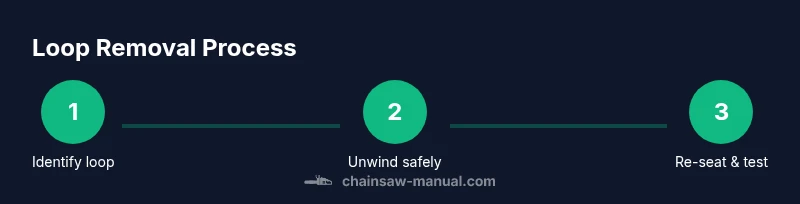
To remove loops from a chainsaw chain, power off the saw, engage the chain brake, detach the bar, and gently unwind the loop with needle-nose pliers. Re-seat and re-tension the chain, then perform a careful test run. Wear PPE and consult your manual for model-specific steps.
Understanding why loops form in a chainsaw chain
Loops in a chainsaw chain usually develop when the chain becomes misaligned, the drive sprocket wears, or the bar experiences improper tension or bar-nose alignment. Over time, small folds can escalate into bigger loops that catch on the bar groove or sprocket. Learning how to get loops out of chainsaw chain starts with recognizing the conditions that created them and addressing them safely. Chainsaw Manual emphasizes that most loop formations are symptoms of an underlying issue rather than a one-off accident. Before attempting any adjustment, ensure you understand the risks and are wearing the right PPE, including cut-resistant gloves, eye protection, and steel-toed boots when working around a running or recently stopped saw. This page will guide you through the process and highlight model-specific cautions to avoid further damage.
In some models, loop formation can be traced back to bar wear or a worn drive sprocket, which means the loop may recurs if these parts aren’t addressed. The Chainsaw Manual approach blends practical steps with safety-first considerations, helping homeowners and professionals approach the task confidently. The goal is to learn how to get loops out of chainsaw chain without compromising the integrity of the bar, chain, or sprocket.
Safety-first practices before you touch the chain
Safety is non-negotiable when repairing a looped chain. Always disengage power, engage the chain brake, and unplug or remove the battery. Use heavy gloves, eye protection, and keep bystanders away. Work in a well-lit area on a stable surface, and never attempt to force a loop out with the saw assembled in the air. If a loop is near the bar, keep your hands clear of the teeth and use proper pliers to avoid pinching or kickback. Proactive safety reduces the risk of injury and protects surrounding materials and people in the workspace. Chainsaw Manual stresses that a calm, methodical approach minimizes mistakes that can escalate into more serious chain damage.
Tools and protective gear you’ll need
Before you begin, assemble a small, dedicated toolkit. Essential items include safety gloves, needle-nose pliers, a chain breaker tool or master link pliers if you anticipate rivet-style links, and a wrench or socket set to remove bar nuts. A bar cover or chain vise is optional but helpful for stabilizing the chain. Keep a clean rag and degreaser handy for wiping oil and debris. Using the right tools reduces the chance of re-looping and protects the chain’s teeth and drive sprocket during the repair.
Quick check: affected area inspection and bar condition
Inspect the bar groove for burrs or uneven wear that might trap the chain and cause looping. Check the drive sprocket for teeth wear and measure chain tension to see if it’s excessively loose or tight. If you find bent links, missing teeth, or bar wear beyond spec, plan to replace these parts rather than trying a risky rework. A looped chain is a symptom, not a standalone fix, and the safer choice often involves addressing underlying wear or misalignment first.
Accessing and unwinding the loop safely
Secure the saw on a stable work surface and ensure no power source is connected. Use needle-nose pliers to gently grasp the loop without pinching the teeth, then unwind the loop slowly along the chain direction. Avoid yanking or twisting the links; the goal is to unwind without bending any links or cracking rivets. If the loop is stubborn, use a chain breaker tool or rivet-punch to relieve tension at the loop’s junction, then continue unwinding with care. This step requires patience; forcing the loop can create new damage that’s harder to repair later.
Reassembling the bar, tensioning, and safe test
Once the loop is removed, reposition the chain into the bar groove, ensure the drive direction matches the sprocket, and loosely reinstall the bar nuts. Re-tension the chain according to the manufacturer’s specification, then slowly rotate the chain by hand to confirm smooth movement. Reconnect power and perform a careful idle test away from objects, ending the test with a gentle cut on a clean, non-hardwood sample to observe tracking. If anything binds, stop and re-check alignment before proceeding.
Final checks for damage or wear
After removing loops and re-tensioning, inspect every link for cracks or bent rivets. Look for heat discoloration on the chain and bar as a sign of excessive friction. If you detect any damage, replace the affected links or the entire chain. The goal is to prevent recurrence by ensuring the chain’s geometry and tension are correct, not pushing through a compromised component. This closer look helps avoid future loops and the need for repeated repairs.
Prevention strategies to reduce loops in future uses
Preventive care matters as much as the fix itself. Regularly check bar groove wear, drive sprocket teeth, and chain tension before long cutting sessions. Clean oil passages to maintain consistent lubrication and avoid dry spots that can increase resistance and loop formation. Store the chainsaw in a dry, controlled environment. A routine maintenance plan based on usage will cut down the likelihood of loops and extend the life of chain, bar, and sprocket.
When to seek professional service
If loops persist after following the steps, or if you notice significant bar wear, bent rivets, or cracks in chain links, seek professional service. A trained technician can assess and replace worn components and ensure the chain’ s tension, alignment, and lubrication are correct. Chainsaw Manual recommends not exceeding your comfort zone; when in doubt, professional help protects you and your equipment from costly damage.
Troubleshooting: loop recurs after fix
If the loop returns after you’ve corrected it, chances are there’s a contributing underlying issue—worn bar grooves, a damaged drive sprocket, or misalignment between bar and chain. Re-run the inspection focusing on these parts, check for proper chain pitch and gauge compatibility with the bar, and verify that drive links seat properly in the sprocket. Repeat the fix only after addressing any identified wear or misalignment.
Maintenance routine after fixing a loop
Conclude the repair with a quick maintenance routine: clean and inspect every component, apply a light coat of oil, and wipe away residue. Document the service in your maintenance log for model-specific reminders. Implement a pre-use check that includes chain tension, bar cleanliness, and general drivetrain integrity to reduce the chance of loops forming in future work. This proactive approach keeps your chainsaw ready and safe.
Tools & Materials
- Needle-nose pliers(Gently unwind loop without pinching teeth; avoid yanking.)
- Chain breaker tool / master link pliers(Useful for rivet-style links; ensure compatibility with your chain type.)
- Safety gloves (cut-resistant)(Protect hands from sharp chain teeth and pinch points.)
- Wrench or socket set for bar nuts(Loosen and remove bar nuts to detach the bar safely.)
- Bar cover or chain vise (optional)(Stabilizes the chain during work.)
- Cleaning rag and degreaser(Clean oil and debris for better inspection.)
Steps
Estimated time: 45-60 minutes
- 1
Power off and engage the chain brake
Ensure the saw is completely powered down and the chain brake is engaged. Remove the battery or unplug the tool where appropriate. This prevents accidental movement while you work and protects fingers from the chain.
Tip: Always disconnect power before maintenance to prevent accidental starts. - 2
Detach the bar and inspect seating
Loosen bar nuts and remove the bar from the chain to access the loop. Inspect the chain’s seating in the groove and look for burrs on the bar and drive sprocket teeth that could snag the loop.
Tip: Keep track of any spacers or washers; reassemble in the correct order. - 3
Identify loop location and access points
Carefully locate where the loop sits on the chain and determine if you can unwind it without moving the bar further. If the loop is trapped near rivets, plan to use the chain breaker tool as directed by the manufacturer.
Tip: Do not force the loop; a restrained, deliberate unwind is safer. - 4
Unwind the loop with pliers
Using needle-nose pliers, gently grasp the loop’s knot and slowly unwind it along the chain direction. Avoid twisting the links or applying lateral pressure that could bend teeth.
Tip: Work with the chain in a stable, supported position to prevent slips. - 5
Re-seat the chain and reassemble
Place the chain back into the bar groove and ensure alignment with the drive sprocket. Reinstall the bar and snug the nuts to hold it in place without over-tightening.
Tip: Check tracking visually before tensioning. - 6
Tension and test the chain
Tension the chain according to the manufacturer’s spec, then rotate the chain by hand to confirm smooth movement. Stop if you notice binding or misalignment.
Tip: Use the correct tension range to prevent future loops. - 7
Test run and final inspection
Power the saw and perform a short, controlled test cut on a non-hardwood sample. Observe for any abnormal tracking, heat buildup, or new loops forming. Address any issue before resuming work.
Tip: Always perform a test cut away from others and flammable materials.
FAQ
What causes loops to form in a chainsaw chain?
Loops typically form from misalignment, worn drive sprockets, improper tension, or damaged bar grooves. Regular inspection helps catch these early.
Loops usually form because the chain and bar aren't aligned or the chain is worn, so check tension and bar condition.
Do I need to remove the bar to fix loops?
Often yes; you need access to the chain interior to unwind a loop. Some loops near the bar may be accessible with care, but detaching the bar is the safer route.
Most of the time you’ll need to remove the bar to fix loops safely.
Is it safe to run the chainsaw after removing a loop?
Only if there’s no damage and the chain tension is correct. If in doubt, stop and inspect.
You should test carefully; if anything seems off, stop.
How often should I inspect tension to prevent loops?
Check tension before each use and after battery or fuel changes; adjust per manual.
Check tension before every use.
When should I replace the chain instead of repairing loops?
If the chain shows bent links, damaged teeth, or repeated loops after repair, replace the chain.
Replace the chain if it’s visibly damaged or keeps looping.
Watch Video
The Essentials
- Power down and secure the saw before any adjustment.
- Unwind loops gently to avoid further damage.
- Re-tension and test the chain before resuming work.
- Inspect bar, chain, and sprocket for wear; replace as needed.
- Prevention matters: maintain tension and cleanliness to reduce loops.