How to Hang a Chainsaw on a Wall: Safe Storage Guide
Learn a safe, practical method to mount your chainsaw on a wall. This step-by-step guide from Chainsaw Manual covers mounting hardware, safety gear, and best practices to keep tools organized and ready.


By the end of this guide, you will safely hang a chainsaw on a wall using a weight-rated mounting bracket and sturdy wall anchors. You’ll learn how to choose a mounting location, verify stud support, install a bracket, and securely mount the saw with blade and chain protected. This method keeps the saw off the floor, reduces trip hazards, and speeds access for work.
Why wall-hanging chainsaw improves safety and space
A wall-hanging setup for a chainsaw is a practical safety measure that reduces floor clutter, minimizes trip hazards, and protects the chain from incidental knocks. According to Chainsaw Manual, a well-planned wall-mount system can keep the tool secure, organized, and readily accessible for use. Begin by selecting a sturdy wall area in your garage or workshop that is away from high-traffic zones, children, and moisture sources. The location should allow easy reach without reaching over machinery or hitting electrical outlets. When choosing height, consider blade storage, chain brake accessibility, and how you’ll retrieve the saw without twisting your body. In this section, we cover planning, hardware selection, and mounting best practices so you can store your chainsaw safely and efficiently while keeping the blade guarded and the switch accessible.
Key safety principle: always engage the chain brake and cover the bar before mounting, and ensure the mount won’t interfere with fuel caps or ignition points. This approach also helps with routine maintenance by keeping the saw clean and dry. The Chainsaw Manual team emphasizes verifying load-bearing capability and using hardware rated for the tool’s weight. With careful planning, a wall mount can become a durable, space-saving solution that extends tool life and improves workflow.
Planning your mounting area
Planning is the most critical phase of wall-hanging a chainsaw. Start by mapping a dedicated strip on the wall where the bracket or hooks will sit, ensuring there is at least a few inches of clearance on all sides for blade movement and air circulation. Use a stud finder to locate vertical framing behind the drywall; mounting to studs provides the strongest anchor. Mark two or more points that align with the mounting holes on your bracket or plate. Confirm there are no hidden utilities (electrical wires, plumbing) along the path. Measure the height so that the bar clears the saw’s grip when you lift it, and so you can arm the chain brake and close the blade shield without bending awkwardly. Finally, plan for a backup lock or strap to secure the saw in place during vibration or transport. This stage reduces guesswork and helps prevent misaligned mounts that could loosen over time with use.
Choosing mounting hardware and bracket types
The best wall-mount solution depends on your wall type and the chainsaw’s weight. Look for weight-rated wall brackets or hooks designed for tool storage. A common approach is a two-point bracket that attaches to wall studs, plus a secondary retention strap to secure the bar or handle. If your wall is drywall without accessible studs, use heavy-duty anchors rated for the load and distribute the weight across multiple anchors. A plywood backing plate can help spread load and protect drywall. For additional safety, select a bracket with an integrated blade guard or a narrow lip to cradle the saw’s body while leaving the chain clear. Always check the weight rating and ensure hardware spacing aligns with your saw’s mounting holes. Confirm all fasteners are tightened to manufacturer specifications and that the bracket sits plumb and level.
Step-by-step mounting process overview
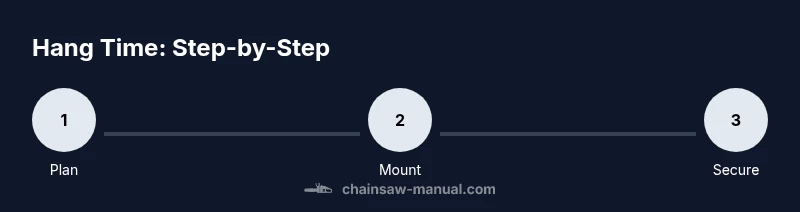
This section outlines the practical actions you’ll take to mount the chainsaw, ensuring you work deliberately and safely. Follow the step-by-step guide in the dedicated STEP-BY-STEP block for precise actions, timing, and tips. In essence, you’ll locate studs, install a mounting bracket, attach the bracket to the wall, and then place and secure the chainsaw on the bracket with a secondary strap or clamp. Throughout, protect the blade with a cover or blade guard and verify that there is no interference with the fuel cap, ignition, or cooling vents. After mounting, gently test the setup by applying light horizontal and vertical pressure to ensure the assembly remains solid. The goal is a stable, accessible storage solution that reduces risk and improves readiness for your next job.
Note: If you’re mounting on masonry or concrete, use appropriate anchors and masonry screws, and consider a wall plate to distribute weight if the bracket mounting points are far apart. This process aligns with safety best practices promoted by Chainsaw Manual.
Safe usage and maintenance after mounting
Once mounted, treat the wall-hung chainsaw as a fixed tool with regular inspections. Keep the area around the mount clean, dry, and free from flammable materials. Before each use, quickly verify that the saw remains securely seated and that any retention strap or locking mechanism is engaged. Periodically check screws and anchors for looseness, especially after heavy use or a long storage period. Lubricate moving parts as recommended by the manufacturer of your saw, and if the storage location is humid, use a protective cover to prevent rust on metal components. The blade should be guarded, and a chain brake should always be engaged when the saw is mounted or not in use. Properly maintained storage reduces wear and helps you access the tool quickly during work.
For professional environments, keep a log of maintenance checks and mounting inspections. Chainsaw Manual’s guidance emphasizes routine verification of all fasteners and a quick audit of the wall surface to ensure no cracks or signs of structural distress.
Common mistakes to avoid
Common storage mistakes include mounting on weak drywall without studs, over-tightening screws that can crack the wall, and placing the saw where it can be struck by passing equipment. Always mount to solid studs whenever possible and verify that the bracket is level before final tightening. Avoid loose storage zones where the saw can swing or collide with nearby items. Do not forget to engage the chain brake and cover the bar before leaving the tool in its mounted position. Finally, never mount the saw in an area with high heat or direct exposure to moisture, which can accelerate corrosion and degrade mounting hardware. If you notice any movement after installation, stop using the mount and re-evaluate the anchoring method to maintain a safe setup.
The Chainsaw Manual team recommends reviewing your mounting setup regularly and adjusting as needed to maintain optimal safety and accessibility.
Tools & Materials
- Study finder(Locate wall studs to anchor mounting hardware securely.)
- Pencil or marker(Mark mounting points precisely.)
- Measuring tape(Ensure correct spacing and height.)
- Drill with appropriate bits(Pre-drill holes for fasteners to avoid wall damage.)
- Weight-rated wall bracket or hooks(Choose brackets rated for your chainsaw's weight.)
- Heavy-duty screws and washers(Screws sized for the wall material; use washers for load distribution.)
- Optional wall anchors(Use only if you cannot hit a stud.)
- Protective gloves and eye protection(For safe handling.)
- Torque wrench or screwdriver(Ensure screws are snug without over-tightening.)
Steps
Estimated time: 30-45 minutes
- 1
Prepare the workspace
Clear the area, organize tools, and lay out mounting components. Confirm your mounting plan and ensure you have adequate lighting. Wear safety gloves and eye protection as you handle the chainsaw and hardware to minimize the risk of injury.
Tip: Lay out all parts on a clean surface and double-check that brackets are rated for your saw’s weight. - 2
Locate studs and mark mounting points
Use a stud finder to locate vertical framing and mark the exact mounting holes on the wall. Verify two secure points that align with the bracket’s holes. Use a level to ensure marks are plumb.
Tip: If your bracket requires multiple points, confirm the wall can support the weight at each point before drilling. - 3
Pre-drill holes and attach backing
Drill pilot holes through marks into studs and attach a backing plate if used. This helps distribute load and prevents wood fracture. Install any backing plate or mounting plate per bracket instructions.
Tip: Keep drill bit size consistent with screw diameter to ensure a snug fit. - 4
Mount the wall bracket to the wall
Secure the bracket to the wall using the provided screws and washers. Check that the bracket sits level and tight against the wall without gaps. Tighten all fasteners gradually in an even sequence.
Tip: Use a torque driver if available to avoid over-tightening and to maintain consistent clamping force. - 5
Prepare the chainsaw for mounting
Engage the chain brake, close the bar guard, and test the saw’s balance. Place a protective cover over the bar while you handle the tool to prevent accidental cuts.
Tip: Inspect the chain and bar for sharpness and damage before mounting. - 6
Hang the chainsaw on the bracket
Lift and rest the chainsaw onto the bracket, ensuring the body sits securely in the cradle and the blade is clear of the mounting hardware. If your setup includes a retention strap, thread it through designed points and fasten.
Tip: Have a second person assist if the saw is heavy or awkward to handle alone. - 7
Verify stability and finalize
Gently tug in all directions to confirm the mount holds. Re-check level and tighten any loose screws. Document the mounting date and perform a quick safety check after 24 hours of use.
Tip: Schedule periodic inspections to catch loosening caused by vibration.
FAQ
Is it safe to hang a chainsaw on the wall?
Yes, it can be safe when you mount to solid studs or approved anchors, use weight-rated hardware, engage the chain brake, and cover the bar. Regular inspections help maintain safety. Always follow manufacturer guidance and Chainsaw Manual recommendations.
Yes. When you mount to sturdy studs or anchors, engage the chain brake, cover the bar, and inspect regularly.
What mounting hardware should I use?
Choose weight-rated wall brackets or hooks that match your saw’s weight and mounting hole pattern. Use screws and washers appropriate for your wall type, and consider a backing plate for even load distribution. If mounting on drywall, use anchors rated for the load and hit studs whenever possible.
Use weight-rated brackets, proper screws, and a backing plate when needed. Hit studs whenever possible.
How high should I mount the saw?
Mount so you can reach the saw without twisting and with the blade guard accessible. Hold the saw in a natural position and ensure the blade is clear of obstructions. Height should allow easy gripping while keeping the fuel cap and controls accessible.
Mount it within easy reach, with the blade clear of obstacles and the controls accessible.
Can I mount on drywall without studs?
Yes, with heavy-duty anchors designed for the load and proper distribution. However, for maximum safety and durability, mounting directly into studs is preferred. If you’re unsure, consult a professional.
Yes, but studs provide better support; if unsure, use professional advice.
What maintenance after mounting?
Regularly inspect mounting screws, bracket alignment, and retention straps. Clean the area to prevent dust buildup and re-check the blade guard and chain brake. Document maintenance checks for safety.
Check fasteners and alignment regularly and keep the area clean.
Watch Video
The Essentials
- Plan mounting location with studs for strength
- Use weight-rated brackets and proper fasteners
- Engage chain brake and cover blade during mounting
- Test stability and inspect regularly
- Keep the area safe and organized for quick access