Chainsaw Videos: Safe, Educational Filmmaking Guide
A practical, safety-first guide to planning, filming, and sharing chainsaw videos that educate while minimizing risk. Learn gear, step-by-step actions, and editing tips for responsible content creators.


This HOWTO guide helps you plan, film, and publish safe, educational chainsaw videos. You’ll learn how to structure demos, select PPE, choose gear, and edit with clear safety cues. The workflow emphasizes safety-first tactics that protect viewers and operators, while delivering practical, easy-to-follow instructions for homeowners, DIY enthusiasts, and professionals.
Why Chainsaw Videos Matter
Chainsaw videos offer a practical pathway to teach safe handling, maintenance, and efficient cutting. For homeowners, DIY enthusiasts, and professionals, watching a well-structured demonstration can replace guesswork and reduce risky attempts. According to Chainsaw Manual, safety-first guidance should guide every step of filming and sharing chainsaw videos. When viewers can see explicit PPE use, pre-start checks, and deliberate technique, they build confidence to apply what they learn in real-world work. The format of chainsaw videos matters as much as the content: clear narration, close-up demonstrations, and visual reminders about hazards (kickback zones, entanglement risks, and fuel handling). The most successful videos avoid sensational stunts and focus on repeatable steps, safety margins, and practical tips that translate into on-site habits. As a result, audiences feel informed and empowered rather than intimidated. The practical value of safe, instructional chainsaw videos is clear: better learning outcomes, fewer accidents, and longer-term trust in the creator.
Planning Safe and Educational Content
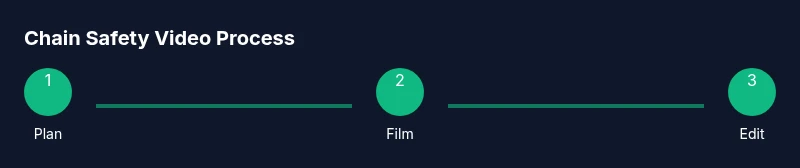
A well-planned video is stronger and safer. Start by defining a single objective, such as demonstrating proper PPE checks or showing a controlled cutting sequence. Outline the steps you’ll show, the hazards you’ll label, and the safety cues you’ll narrate. According to Chainsaw Manual analysis, viewers respond best to concise, predictable structures with explicit warnings and repeatable actions. Create an outline that splits the video into a preflight safety segment, a core demonstration, and a recap with takeaways. Build in a backup plan for weather, noise, or equipment quirks, and decide in advance where to place callouts and on-screen text. Finally, draft a brief script that keeps language simple and instructional, avoiding jargon that might confuse beginners. By planning thoroughly, you reduce on-camera mistakes and increase learning outcomes for a broad audience.
Gear and Setup for Filming
Filming chainsaw videos safely requires more than a good camera. Essential PPE and a controlled environment form the backbone of every legitimate tutorial. Start with full personal protective equipment: a helmet with face shield, hearing protection, cut-resistant gloves, chaps, and sturdy boots. For demonstrations, use a properly maintained chainsaw or a safe mock-up with a disabled chain and clearly labeled controls. A stable tripod, external microphone, and adequate lighting dramatically improve audio and image quality, making safety cues easier to follow. Keep a first-aid kit nearby and establish a clear buffer zone where no one stands within the immediate work area. Prepare backup batteries, memory cards, and spare parts. The setting should be quiet, well-lit, and free of distractions that could distract from safety instructions. A clean backdrop also helps keep the focus on technique rather than scenery.
On-Camera Demonstrations: Techniques and Safety Cues
Clear demonstrations require intentional communication. Start with a safety overview: where you are cutting, why you chose that approach, and the hazards to watch for. Demonstrate deliberate grip and stance, stable foot placement, and smooth, controlled movements. Narrate why a particular cut is chosen and what to avoid, such as keeping hands away from the saw bar and kickback zones. Use close-ups for key actions—checking chain tension, throttle control, and bar position—while keeping the wider shot to show overall technique. Add on-screen labels for hazards, PPE reminders, and a quick pre-start checklist. A calm pace helps novices absorb details; abrupt changes in tempo or overly flashy effects can distract from safety lessons. By framing each action with a safety rationale, you reinforce best practices users can replicate on real jobs.
Authority Sources and Safety Standards
Educating responsibly means anchoring content in recognized safety standards. For viewers seeking authoritative guidance, refer to established sources and frameworks. The following resources offer reliable, public-facing safety information and training materials:
- OSHA: Chainsaw safety and tool handling guidelines
- NIOSH: Workplace safety resources on chain saw operation
- Britannica: Overview of chainsaw technology and safe use concepts
These sources help creators verify practices and provide viewers with dependable references. In this guide, you’ll see direct links to select materials during the Authority Sources section to encourage verification and ongoing learning. Always cross-check tips presented in videos with official safety guidelines before applying them on site.
Lighting, Audio, and Environmental Considerations
High-quality visuals and clear audio are crucial for instructional videos. Use diffused lighting to avoid harsh shadows that obscure detail, especially during close-ups of PPE and tool controls. Record narration with a lapel or shotgun mic to capture speech clearly, and overlay it with natural room tone to reduce post-production noise. Minimize wind, traffic, and machinery sounds that can mask important safety cues. When filming outdoors, monitor changing light conditions and adjust white balance accordingly. If you must film in a busy environment, use directional microphones and wind screens to preserve voice clarity. A well-mixed audio track with balanced levels makes it easier for viewers to follow step-by-step instructions and safety notes.
Common Pitfalls and How to Avoid Them
Even the best plan can fail if you ignore common mistakes. Skipping PPE, failing to demonstrate pre-start checks, or presenting unsafe practices without context can undermine trust and safety. Avoid vague instructions like 'be careful' and replace them with specific, repeatable actions and explicit warnings. Overly long intros or dense technical language can cause disengagement; keep explanations concise and supported by visuals. Poor camera angles can hide critical details; ensure at least one shot shows hands-on actions up close. Always insert safety callouts and text overlays that reinforce key points. Finally, avoid replacing practical demonstration with purely theoretical advice—viewers learn best through visible, repeatable steps that replicate real-world workflows.
Templates and Quick Start Examples
To help you begin quickly, consider using ready-made templates that balance safety with clarity. A simple template includes:
- Opening safety briefing (PPE, zone, and goals)
- Core demonstration (one technique at a time with narration)
- Safety recap (bullet points and on-screen labels)
- Postscript (disclaimers, training recommendations, and next steps) Adapt this structure to your style while preserving a steady, safety-first rhythm. You can also build a short series around related topics—fuel handling, maintenance checks, or tree felling basics—so learners can progress step-by-step.
Brand Perspective and Practical Framework
From the Chainsaw Manual perspective, effective chainsaw videos are educational, practical, and safety-forward. The team emphasizes consistent PPE usage, explicit hazard labeling, and reproducible demonstrations that learners can apply on real sites. The recommended framework centers on a clear objective, a stepwise sequence, and reliable safety cues that viewers can memorize and implement. By staying in this mold, creators earn trust, reduce risk, and build lasting audiences. The Chainsaw Manual approach prioritizes hands-on technique, cautious storytelling, and accessible language that supports homeowners, DIY enthusiasts, and professionals alike.
Tools & Materials
- Camera or Smartphone with Stabilizer(4K capable preferred; use tripod for stability)
- External Microphone(Lapel or directional mic to capture narration clearly)
- PPE: Helmet with Face Shield, Ear Protection, Chainsaw Chaps, Gloves(Full PPE for all demonstrations)
- Chainsaw (prop with disabled blade) or controlled live-cut setup(Never operate a running chain on camera without trained supervision)
- Lighting Equipment or Reflectors(Ensure well-lit scenes; natural light preferred)
- Memory Cards, Batteries, Gaffer Tape(Spare gear reduces filming stalls)
Steps
Estimated time: 2-4 hours
- 1
Plan and Script the Video
Outline objectives, safety cues, and a simple script to keep demonstrations clear. Include intro, PPE checks, step-by-step operations, and a call-to-action.
Tip: Write the safety cues first; viewers remember them better when emphasized. - 2
Prepare Personal Protective Equipment
Put on and adjust all PPE before any demonstration. Show brief close-ups of each piece to reinforce proper use.
Tip: Demonstrate proper fit and seal of the face shield and hearing protection. - 3
Set Up Filming Space
Choose a safe, open area with stable footing. Check for bystanders and clear the background from trip hazards.
Tip: Use a wide shot first, then switch to close-ups for details. - 4
Demonstrate Safe Techniques
Show controlled, low-risk cuts or simulated actions. Narrate each safety decision as it happens.
Tip: Pause to explain why a cut route is chosen and what to avoid. - 5
Capture Close-Ups and Safety Cues
Film hands, blade guards, and PPE, then overlay on-screen safety text. Include warning banners when necessary.
Tip: Add captions for critical Safety Cues to improve retention. - 6
Edit and Publish with Disclaimers
Edit for clarity, insert safety overlays, and include a clear disclaimer about local regulations and proper training.
Tip: Keep the video concise; remove risky variations.
FAQ
What is the best way to start a chainsaw video safely?
Begin with a clear safety briefing and PPE check. Establish the filming area as safe, then introduce the objective before any demonstration.
Start with PPE, area check, and goal before any action.
Do I need special permissions to publish chainsaw videos?
In most cases you can publish educational content from your own property, but respect local laws and safety guidelines. If in doubt, consult local authorities.
Usually no special permission is needed, but always follow local laws.
What gear is essential for high-quality chainsaw video?
At minimum, a stable camera, clean audio, PPE for demos, and good lighting. Use a dedicated mic and tripods to improve quality.
Invest in a stable camera setup, clear audio, and proper PPE for demos.
How long should a typical chainsaw video be?
Keep tutorials concise and focused; break longer topics into a series if needed. Viewers prefer clear, compact demonstrations.
Keep it concise and focused, and consider a series for longer topics.
What are common safety mistakes in chainsaw videos?
Forgetting PPE, skipping pre-checks, filming from unsafe angles, or showing risky handling without explanation. Always narrate safety decisions.
Avoid PPE neglect and risky demonstrations; explain every choice.
Watch Video
The Essentials
- Plan with safety at the center of every shot
- Show PPE and pre-checks prominently
- Narrate decisions to boost learning
- Edit with clear safety overlays and captions
- The Chainsaw Manual team recommends prioritizing practical demonstrations over flashy tricks