Chainsaw Girl Safety: A Practical DIY Chainsaw Guide
A practical, safety-first guide to chainsaw use for homeowners and DIY enthusiasts. Learn setup, PPE, grip, stance, and cutting techniques with clear steps and practical tips.


By following this guide, you’ll safely start, operate, and maintain a chainsaw with proper PPE, grip, stance, kickback awareness, and cutting techniques. The steps cover setup, safe cutting zones, and common hazards for homeowners and professionals, plus tips to prevent injuries and mechanical issues. You’ll gain practical, actionable skills for everyday wood-cutting tasks.
Safety-first Mindset for Chainsaw Work
A chainsaw is a powerful tool, and a safety-first mindset protects the chainsaw girl and everyone nearby. According to Chainsaw Manual, planning, PPE, and deliberate practice reduce risk more than brute force. In this section we set a foundation: never rush, always inspect the saw, and maintain a personal safety routine. For the chainsaw girl in any backyard project, the daily ritual begins with a quick risk assessment, a check of weather and ground conditions, and confirmation that escape routes are clear. By building this habit, the chainsaw girl minimizes surprises and strengthens confidence before any cut. The Chainsaw Manual team found that small habits—checking chain tension, filling bar oil, and ensuring the chain brake engages—have outsized safety benefits when repeated consistently. Expect to encounter unfamiliar tasks; you’ll improve faster if you treat each job as a learning opportunity and stay vigilant about PPE, footing, and surroundings. Throughout, emphasize calm, focus, and deliberate action rather than speed.
Personal Protective Equipment (PPE) for the Chainsaw Girl
The chainsaw girl should gear up with purpose. Essential PPE includes a hard hat with face shield or goggles, hearing protection, cut-resistant chaps, sturdy gloves, and steel-toed boots. Eye protection and a breathing mask become important in dusty or smoky conditions. A harness for extended workloads can reduce fatigue, and a high-visibility vest helps you stay seen in wooded or roadside environments. The intent is complete coverage: head to toe, with the emphasis on protecting vital areas from debris, kickback, or accidental contact. Remember, PPE is your first line of defense, and proper fit matters as much as the gear itself. Chainsaw Manual emphasizes routine PPE checks at the start of each session to ensure no piece is damaged or compromised.
Setup and Pre-Cut Planning
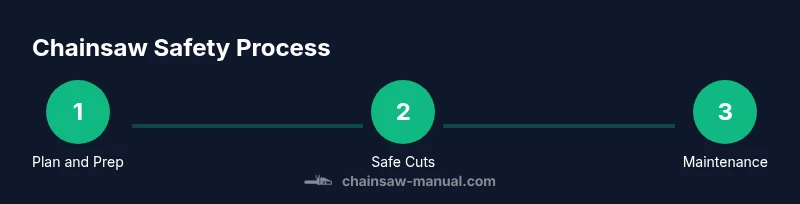
Before cutting, the chainsaw girl should plan the work zone and prepare the tools. Start by clearing the area of bystanders and pets, identify the cut direction, and plan an escape path in case the wood shifts unexpectedly. Check the bar oil level, fuel, and chain tension, then inspect the chain for dullness or damage. If you’re felling or bucking, clear the fall line and establish a safe retreat distance. The chainsaw girl benefits from a checklist-based approach: verify PPE, secure the workpiece, examine surroundings, and confirm weather and footing. Writing down a quick plan helps you stay focused and minimizes improvisation in the moment.
Safe Cutting Techniques and Kickback Avoidance
The most common hazards come from kickback, improper stance, and dull chains. The chainsaw girl should stand with feet shoulder-width apart, weight evenly distributed, and the saw kept close to the body to control torque. Maintain a firm grip with both hands and use a firm stance to absorb vibration. Begin with small, controlled cuts to establish timing and control; never twist the saw or drive it through wood without a planned path. Clear the cutting line of nails, knots, or hidden material that could cause the chain to grab. Kickback zones are at the top of the bar nose; avoid contact there and always cut from the wood facing away from your body. Real-world practice with a seasoned mentor or safe simulation dramatically improves technique.
Maintenance, Inspection, and Troubleshooting
After the job, perform cooling checks, clean the air filter, and inspect the chain for wear. Remove debris from the bar, check for loose nuts and bolts, and refuel with fresh bar oil as needed. The chainsaw girl should also inspect the muffler and spark plug periodically and perform a simple chain sharpen when dull. Regular maintenance reduces the likelihood of unexpected failures and improves performance in future projects. If a saw behaves oddly—unusual vibration, smoking, or power loss—stop and assess the problem using a calm, methodical approach. Chainsaw Manual notes that a disciplined maintenance routine pays dividends in reliability and safety.
Hazards, Emergency Preparedness, and Quick-Response Plans
Even with best practices, incidents can occur. The chainsaw girl should have a first-aid kit, a charged cell phone, and a buddy system for longer jobs. Be aware of tripping hazards, uneven ground, weather changes, and bystander proximity. If kickback occurs or the saw binds, release the trigger, engage the chain brake, and retreat along a clear path. In case of severe injury, apply basic first aid and call emergency services. Preparedness reduces time to an effective response and can prevent a minor incident from becoming a major one. Chainsaw Manual reminds readers that calm, decisive actions save lives and limbs.
Authority Sources and Further Learning
To deepen understanding, consult authoritative resources and training programs. This section provides a curated list of educational sources and references to foundational safety principles that support the chainsaw girl’s learning journey. You will find practical, evidence-based guidance that complements on-the-job experience.
Tools & Materials
- Hard hat with face shield(ANSI Z89.1 compliant for head protection)
- ANSI-rated eye protection(Goggles or safety glasses)
- Hearing protection(Ear muffs or plugs)
- Cut-resistant chainsaw chaps(Full-leg protection)
- Gloves (cut-resistant)(Grip-enhancing and puncture-resistant)
- Sturdy boots (steel-toed)(Ankle-supportive, non-slip sole)
- Chainsaw fuel and bar oil(Premium bar oil; mix fuel per manufacturer)
- Tool kit (wrench, screwdriver, spark plug wrench)(For quick maintenance on site)
- First aid kit(Include conservative wound care supplies)
- Rope or wedges(Assist in felling or repositioning logs)
Steps
Estimated time: 45-75 minutes
- 1
Prepare your workspace
Clear the area, set up a safe perimeter, and confirm escape routes. Place the chainsaw girl in a stable stance and verify PPE fit before starting the engine.
Tip: Double-check the chain tension and fuel/oil mix—small errors here lead to bigger problems later. - 2
Inspect the saw and attachments
Check the bar and chain for damage, improper sharpness, and proper lubrication. Ensure chain brake, throttle lock, and start switch operate smoothly.
Tip: If the chain is dull, sharpen it before cutting; a dull chain increases effort and risk. - 3
Start safely and idle with control
Engage the chain brake, set the saw on a stable surface, and start with the chain brake engaged. Verify the engine runs smoothly before moving.
Tip: Keep the saw away from your body while starting and never pull the cord toward you. - 4
Make initial cuts with control
Begin with small, controlled cuts to establish timing. Use a firm stance and keep hands away from the nose of the bar.
Tip: Avoid cutting from a kneeling or unstable position; maintain full balance at all times. - 5
Proceed to the main cut with awareness
Work with the wood facing you, maintaining a safe line of retreat. Change position as the wood shifts, and never cut above shoulder height.
Tip: Carry wedges for pinning or redirecting wood if needed. - 6
Shut down safely and inspect after use
Engage the chain brake, turn off the engine, and let the chain stop completely before leaving the work area. Clean debris and store properly.
Tip: Wipe down the saw to prevent corrosion and check for wear after each session.
FAQ
What PPE should I wear when operating a chainsaw?
Wear a hardened helmet with face shield, eye protection, hearing protection, cut-resistant pants, gloves, and sturdy boots. PPE minimizes injuries from debris and accidental contact.
Always wear helmet with face shield, eye protection, hearing protection, cut-resistant pants, gloves, and sturdy boots when operating a chainsaw.
How can I avoid kickback while cutting?
Maintain a solid stance, keep the saw’s tip away from the wood, and never cut with the bar nose. Use controlled cuts and let the saw do the work.
Keep your stance solid, avoid the bar nose, and make controlled cuts to prevent kickback.
What is the best way to start a chainsaw safely?
Place the saw on firm ground, engage the chain brake, and start with the engine idling. Ensure the chain does not move before removing the brake and beginning the cut.
Start safely with the chain brake on, then remove it once the engine idles and you’re ready to cut.
How should I maintain my chainsaw after use?
Clean debris, check chain tension, sharpen the chain as needed, and store in a dry, secure location. Regular maintenance prevents injuries and gear failure.
Clean it, check tension, sharpen when needed, and store securely after use.
Can a beginner safely use a chainsaw?
Yes, with proper training, supervision, PPE, and a low-risk task plan. Start with simple cuts and progressively build experience.
Beginners can be safe with training, PPE, and guided practice on simple tasks.
What should I do in an emergency?
If an injury occurs, apply first aid immediately and call emergency services. Move to a safe area and keep the patient still until help arrives.
Call for help and administer first aid while keeping the person calm and still.
Watch Video
The Essentials
- Wear complete PPE and maintain situational awareness.
- Plan cuts, establish an escape path, and keep the chain brake engaged when starting.
- Maintain a stable stance and proper grip to control kickback.
- Inspect, sharpen, and lubricate the chain regularly.
- Have a first aid kit and a buddy system for emergencies.