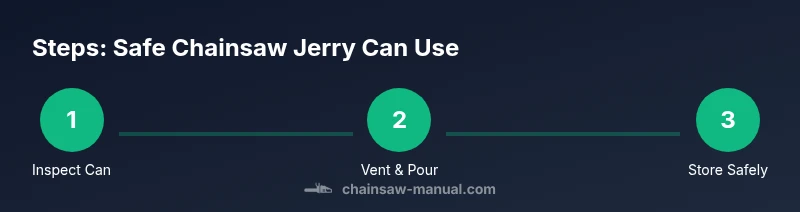
Chainsaw Jerry Can Safety: Transport, Store, Refuel
Learn safe fuel handling for chainsaws using a jerry can. This guide covers containers, storage, spills, and refueling steps for homeowners and pros.


Learn how to safely transport, store, and refuel a chainsaw using a jerry can. This guide covers choosing the right container, safety protocols, spill prevention, and practical steps you can follow on-site. By the end, you’ll handle fuel with confidence while reducing fire risk, environmental impact, and the chance of vapor buildup.
Why a chainsaw jerry can matters
According to Chainsaw Manual, using a dedicated, vented jerry can for fuel reduces spills, vapors, and environmental risk when you transport and refuel a chainsaw. The chainsaw jerry can approach provides consistent container size, clearer labeling, and safer access in the field or job site. For homeowners and professionals alike, this method supports safer work practices, lowers fire risk, and helps you stay compliant with basic storage guidelines. In this guide, you’ll learn how to choose the right can, prepare it for use, transport it safely, and refuel your tool without creating hazardous spills.
Choosing the right jerry can for fuel
Not all cans are created equal. For chainsaw fuel, select an approved container designed for gasoline or ethanol-blended fuels. Look for flame-arrestor caps, secure seals, and a wide base to reduce tipping. Color coding helps workers distinguish fuel from other liquids, while a built-in vent reduces pressure buildup. Chainsaw Manual analysis shows that users benefit from metal or high-density polyethylene (HDPE) cans that meet local safety standards and have clear labeling about fuel type and capacity.
Safety features and standards you should know
Fuel cans should be leak-proof, vented (to prevent pressure buildup), and labeled with contents and date of fill. A flame arrestor on the cap reduces ignition risk during open-air handling, while a close-fitting spout minimizes splashes. Store cans away from heat sources, direct sunlight, and ignition sources. For professionals, ensure that the container meets NFPA and OSHA guidelines for portable fuel storage.
Safe transport and storage practices
Transport the jerry can upright in the cargo area away from passengers or pets. Use a secondary containment tray to catch any leaks and secure the can with straps to prevent shifting. Never store fuel indoors or in living spaces. Keep the can capped when moving and avoid stacking other items on top of it. When at a job site, bring only the amount you need for the day to reduce exposure.
Refueling technique with a jerry can
Turn off the chainsaw and let the engine cool before refueling. Place the jerry can on the ground away from ignition sources and remove the cap slowly to vent vapors. Use a proper funnel to minimize spills and keep the can upright during pouring. Do not overfill; leave headspace for vapor expansion, and wipe any drips immediately.
Cleaning up spills and maintenance of cans
If fuel spills, absorb with commercial absorbent material and dispose of it according to local regulations. Clean the exterior with a dry rag and, if needed, a mild detergent solution. Inspect cans for cracks, dents, or corrosion after each use, and replace damaged containers. Store cans in a cool, ventilated area.
Common mistakes and myths
Myth: plastic cans are always safer than metal. Reality: both have pros and cons; metal resists puncture but can heat up, while HDPE plastic cans resist corrosion. Mistake: refueling near heat or open flames. Myth: sealing a can tightly will prevent vapors—it's better to keep a controlled vent that allows safe vapor release.
Metal vs plastic cans and what to choose
Metal cans are durable and fire-resistant but heavier and prone to dents. HDPE plastic cans are lighter, corrosion-resistant, and often cheaper, but can crack under impact. For chainsaw fuel, choose cans with proper vents and flame arresters, and ensure compatibility with your fuel type.
Authority guidance and standards
National and safety authorities emphasize proper fuel handling. OSHA provides general guidance on hazardous materials handling; NFPA publishes standards for portable fuel storage; CDC highlights safety around fuel vapors. Always refer to local regulations for gas can storage requirements.
Tools & Materials
- Approved gasoline-compatible jerry can (metal or HDPE)(Flame-arresting cap and vented design preferred; ensure it is not cracked or dented)
- Gasoline-grade fuel for chainsaw(Use fresh fuel; avoid old or contaminated mixes)
- Funnel designed for narrow spouts(Keeps spills to a minimum during pouring)
- Personal protective equipment (PPE): gloves, eye protection(Non-slip gloves and splash goggles recommended)
- Absorbent material for spills(Cat litter or commercial absorbent, plus a sealed bag for disposal)
- Secondary containment tray or mat(Prevents leaks from reaching the ground when refueling)
- Fire extinguisher(Keep within sight of work area as a precaution)
Steps
Estimated time: 25-40 minutes
- 1
Inspect the container
Check the can for cracks, bulges, or dents. Verify the cap threads seal properly and the vent is unobstructed. Any damage means the can should be retired from service.
Tip: Replace damaged cans immediately to avoid leaks during transport. - 2
Prepare your work area
Choose a level, open space away from ignition sources. Lay down an absorbent mat and have PPE ready. Ensure you have a funnel and a clean, dry can opener if needed.
Tip: Avoid performing fueling tasks indoors or in enclosed spaces. - 3
Open and vent the can
Loosen the cap slowly to vent any built-up vapors before pouring. Keep your face away from the opening to minimize exposure to fumes.
Tip: Vent gradually; do not remove cap completely if vapors are strong. - 4
Pour carefully
Place the funnel in the chainsaw fuel fill port and pour slowly. Stop before the can is full to leave headspace for vapor expansion.
Tip: Keep the can upright and avoid overfilling to prevent spills. - 5
Seal and wipe
Replace the cap securely and wipe off any drips. Store the can upright away from heat sources.
Tip: Use a dry rag and dispose of any contaminated wipes properly. - 6
Transport safely
Secure the can in a dedicated container or tied-down position to prevent movement during transit.
Tip: Avoid transporting near passengers or in passenger compartments. - 7
Aftercare
Inspect for leaks, clean tools, and return cans to a ventilated, cool space. Document the fuel used and the date.
Tip: Regular inspection reduces the risk of hidden leaks over time.
FAQ
What size jerry can should I use for a chainsaw?
Use a container that matches the expected daily fuel needs, typically a small to medium can for field work. Ensure it is approved for gasoline and has a vented cap.
Choose a size that matches your daily fuel needs and always use an approved gasoline can with a vented cap.
Is it safe to store gasoline indoors?
Indoor storage is discouraged; store cans in a cool, ventilated area away from heat and ignition sources.
Gasoline should be stored in a well-ventilated area away from heat sources to prevent vapor buildup.
Can I refuel in a garage or shed?
If the space is well-ventilated and away from ignition sources, refueling in a garage or shed is possible, but follow local regulations.
Only refuel in a ventilated space and away from flames, following local safety rules.
Are metal cans better than plastic for gasoline?
Both have pros and cons; metal is durable but heavier, plastic is lighter but can crack. Choose cans with proper vents and labeling.
Metal is durable but heavy; plastic is lighter but may crack—pick vented cans with clear labeling.
What should I do with a spilled fuel?
Contain with absorbent material, wipe dry, and dispose of cleanup materials per local regulations.
Contain spills with absorbents and dispose of cleanup materials according to local rules.
How often should cans be inspected?
Inspect any can before each use for dents, leaks, or corrosion, and retire damaged containers.
Check cans before each use and replace damaged ones promptly.
Watch Video
The Essentials
- Choose approved cans with vented caps and flame arrestors
- Vent, pour slowly, and leave headspace for vapor expansion
- Transport upright and away from ignition sources
- Inspect for damage and clean up spills promptly