Chainsaw Gas and Oil Can Safety: A Practical Guide
Learn safe, practical strategies for choosing, using, and storing a chainsaw gas and oil can. This guide covers proper can selection, fueling practices, spill avoidance, and storage, with step-by-step instructions and real-world tips from Chainsaw Manual.


This guide helps you safely choose and use a chainsaw gas and oil can, set up a proper fueling area, and prevent spills. According to Chainsaw Manual, use approved, clearly labeled cans for fuel and for chain oil, keep them away from heat and ignition sources, and store them in a ventilated, cool space with a leak-proof cap.
Overview: Why a chainsaw gas and oil can matters
The chainsaw gas and oil can is more than a simple container; it’s a critical safety tool in fueling and lubrication. A poor choice or careless handling can lead to leaks, spills, fire hazards, or fuel contamination that harms engine performance. According to Chainsaw Manual, the right can improves spill control, labeling clarity, and compatibility with two-stroke fuel mixes. This guide helps you recognize what makes a good gas and oil can, how design choices affect safety, and what to do to minimize risk when fueling a chainsaw.
Key considerations include:
- Approved material: Metal or high-density polyethylene (HDPE) with a vented cap.
- Proper capacity: A size that fits your saw’s fuel needs without overfilling.
- Clear labeling: Contents, mix ratios, and safety warnings clearly visible.
Pro tip: Always inspect cans for cracks, faded labels, or corroded spouts before every fueling session. A compromised gas and oil can increases the chance of leaks and fumes.
Safety prerequisites and PPE
Safe handling starts long before you touch the nozzle. Ensure you’re in a well-ventilated area away from ignition sources, and wear eye protection, chemical-resistant gloves, and sturdy footwear. Keep children and pets away from the fueling zone. The Chainsaw Manual emphasizes that proper PPE minimizes exposure to gasoline vapors and contact with engine oil and fuel.
Before you begin:
- Confirm you have a dedicated, clearly labeled gas can and a separate oil can if you’re using bar oil.
- Check the area for open flames, hot surfaces, or sparks.
- Have absorbent material and a spill kit within reach in case of a drop or splash.
Reminder: Do not use cracked or warped cans; damaged containers can leak and emit fumes more readily.
Can design and labeling: choosing the right container
A gas can should be a purpose-built, vented container designed for fuels. It must close securely, tolerate temperature variations, and resist deformation that could affect seals. Labeling is not cosmetic—labels should state contents, date of purchase or fill, and any safety warnings. For chainsaw fueling, consistency matters: use cans that match the fuel type (gasoline for two-stroke engines, with or without premix as recommended by the manufacturer) and keep oil separate when needed.
When evaluating a can:
- Look for a flame-arresting vent cap or a secure, spring-loaded cap.
- Ensure the spout is a spill-prevention design with a tight seal.
- Prefer metal cans for long-term storage or high-heat environments; choose high-quality HDPE for lighter weight.
Branding matters less than construction quality and labeling clarity.
Fuel types, mix ratios, and compatibility
Two-stroke chainsaw engines require gasoline mixed with oil at a specified ratio. Many cans are designed to store premixed fuel or to keep separate components until fueling. Always follow the saw manufacturer’s recommendations for mix ratios and fuel octane. A gas and oil can’s compatibility with fuels—especially if you’re using stabilizers or ethanol-blended fuels—impacts engine performance and longevity. If you use premixed fuel, ensure the can is compatible with premixed formulations and that the cap remains airtight to prevent evaporation and vapor buildup.
When in doubt:
- Do not store ethanol-blended fuels for long periods in a non-original can.
- Avoid metal cans with interior coatings that may corrode from ethanol blends.
- Use fresh fuel from a reliable source when possible.
Storage, transport, and spill response
Proper storage of gas and oil cans reduces the risk of leaks, fumes, and accidental ignition. Store cans upright in a cool, ventilated area away from direct sunlight, heat sources, and ignition points. Keep them off the floor and away from doors or exits to facilitate quick exit in case of a spill. When transporting, ensure caps are tight and caps are not leaking; place cans in a stable container to prevent tipping.
Spill response basics:
- If a spill occurs, move away from ignition sources and ventilate the area.
- Absorb the spill with inert materials (cat litter, sand) and collect with a non-sparking tool.
- Dispose of contaminated materials according to local hazardous waste guidelines.
From a safety standpoint, prompt containment and proper disposal are critical.
Common mistakes and how to avoid them
Many fueling mistakes come from rushing, using the wrong container, or neglecting labeling. Common errors include storing gas and oil in the same container when not recommended, overfilling, and failing to inspect cans for damage. Another frequent issue is inadequate ventilation, which increases vapor concentration.
How to avoid:
- Always use separate containers when required by your saw’s instructions.
- Fill slowly with a funnel to prevent spills; never fill all the way to the top.
- Keep labels legible and up-to-date; replace damaged cans immediately.
Step-by-step safety-focused process (1-2 deep-dive sections)
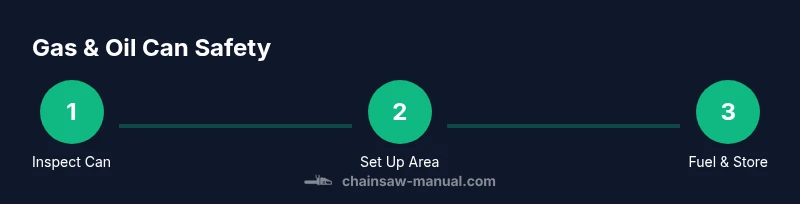
This middle section expands on practical actions to manage a chainsaw gas and oil can safely. The sections above provide theory and risk awareness; this part translates them into daily practice. We'll walk through setup, transfer, and storage in a clear, repeatable sequence to ensure you minimize risk and maximize performance.
Tools & Materials
- Gas can (approved, vented)(Metal or HDPE; cap should seal; capacity to fit your fueling needs)
- Oil can for bar oil (separate from fuel can)(Should be clearly marked for chain oil; compatible with your saw)
- Funnel(To minimize spills during transfers)
- Gloves (chemical-resistant)(Protect skin from fuel and oil contact)
- Safety glasses(Eye protection against splashes and vapors)
- Rags or absorbent pads(For quick cleanup of drips and spills)
- Spill kit or kitty litter(For larger spills in a workshop)
- Labels or tape(Re-label cans after maintenance or replacement)
- Fire extinguisher (Class B)(Keep within reach in a workshop setting)
Steps
Estimated time: 30-60 minutes
- 1
Check containers and compatibility
Inspect both cans for cracks, rust, or warped seals. Verify labeling matches the contents and confirm the fuel type and mix ratio with your saw’s manufacturer recommendations.
Tip: Discard any damaged can immediately and replace with a certified container. - 2
Prepare the fueling area and PPE
Establish a clean, ventilated workspace away from heat; lay absorbent materials nearby. Put on gloves and eye protection before handling any liquids.
Tip: Keep a spill kit or absorbent material within reach before starting. - 3
Set up cans and mixing plan
Decide whether you’ll premix fuel (gasoline/oil) or keep cans separate based on the saw’s instructions. If premixing, use a dedicated container and measure the correct ratio exactly.
Tip: Never guess mix ratios — incorrect fuel mixes damage engines. - 4
Fill the gas can and seal
Pour fuel into the gas can slowly using a funnel; avoid overfilling. Replace the cap securely and wipe any drips from the exterior.
Tip: Keep the can upright and away from ignition sources during filling. - 5
Fill the oil can and cap
Refill the chain oil can as needed. Ensure the cap is tight and the can is labeled to prevent cross-contamination with fuel.
Tip: Label the oil can if you use multiple oil types in your shop. - 6
Clean up and store safely
Wipe spills, return cans to their storage area, and ensure both caps are closed. Store upright in a cool, ventilated space away from heat sources.
Tip: Do not store fuel containers in direct sunlight; heat accelerates vapor pressure.
FAQ
Can I store gasoline in a used beverage container?
No. Gasoline can release fumes and may cause container failure or contamination of the fuel. Always use an approved, labeled gas can designed for fuels.
Do not store gasoline in any container not specifically rated for fuels. Use an approved gas can and keep it labeled.
Is it safe to mix fuel and oil in the same can?
Only if your chainsaw manufacturer specifies premixed fuel in a single container. Many two-stroke engines require you to store gasoline and oil separately and mix just before use.
Only mix in a single can if your saw’s manual allows premixed fuel. Otherwise keep them separate and mix as directed.
What should I do if I spill fuel?
Move away from ignition sources, ventilate, and clean up with absorbent material. Dispose of contaminated materials according to local regulations.
If you spill fuel, evacuate the area, ventilate, and clean with absorbent material.
Can I store gas cans indoors?
Indoors storage is acceptable if the area is cool, well-ventilated, and away from flames or heaters. Never store near furnaces or water heaters.
You can store them indoors if it’s cool, ventilated, and away from flames.
What makes a gas can best for a workshop?
Choose a sturdy, vented can with a secure cap and clear labeling. Metal cans are robust; high-quality HDPE cans reduce risk of cracking.
Pick a sturdy, vented can with a tight cap and clear labels.
How often should I replace old fuel cans?
Replace cans showing cracks, rust, or flow restrictions. Damaged cans increase spill risk and vapor release.
Replace damaged cans to prevent leaks and spills.
Watch Video
The Essentials
- Use approved, clearly labeled cans for gas and oil.
- Fuel in a ventilated area away from heat and ignition sources.
- Keep gas and oil in separate cans unless manufacturer guidance allows mixing.
- Inspect cans regularly and replace damaged containers.
- Store and dispose of fuels and oils following local hazardous waste guidelines.