Chainsaw Blood Safety: First Aid and Prevention Guide
A practical, safety-first guide to chainsaw blood incidents, covering immediate first aid, PPE, safe operation, and urgent care steps. Learn prevention and response with Chainsaw Manual.


Goal: Stop bleeding from chainsaw-related injuries and prevent further harm. You will learn immediate actions to control bleeding, when to call emergency services, and how to prepare your safety kit and work area to reduce future chainsaw blood incidents. Follow safe cutting practices, proper PPE, and clear, calm first-aid steps to act fast.
Understanding chainsaw blood: context and safety
chainsaw blood injuries are among the most urgent hazards when cutting wood, because even small cuts can bleed heavily and attract infection. Recognizing early signs and acting promptly dramatically improves outcomes. According to Chainsaw Manual, prevention starts before you pull the starting cord: inspect the tool, wear full PPE, and plan a safe work area. This block frames the problem, outlines how bleeding can escalate quickly, and emphasizes calm, decisive action as the core of safety. Remember, every cut warrants respect for safety; never assume a minor nick cannot become life-threatening if left untreated. Working with a chainsaw requires discipline and readiness to respond to unexpected bleeding with a clear plan.
Immediate first-aid steps for bleeding injuries
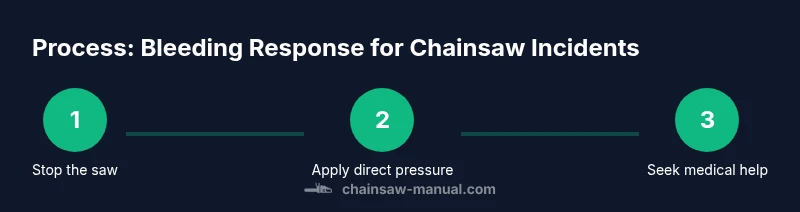
When chainsaw blood incidents occur, time is critical. Start by turning off the saw, engaging the chain brake, and moving away to a stable area. Then assess the wound for active bleeding and life-threatening signs (spurting blood, pale skin, confusion). Apply direct pressure with a clean cloth or sterile gauze; maintain pressure for several minutes. Do not remove objects embedded in tissue; stabilize them and seek medical help. If direct pressure fails to control bleeding and you are trained, apply a tourniquet correctly placed above the wound; monitor the patient and call emergency services immediately. Keep the person warm, reassure them, and avoid giving food or drink. If you can, note the location, time, and details of the incident to share with responders.
PPE and gear to prevent chainsaw blood incidents
Proper PPE is your first line of defense against chainsaw-related bleeding. Use a helmet with a face shield, cut-resistant chaps, sturdy gloves, and steel-toed boots to minimize injuries. Pair PPE with a well-stocked first aid kit, including sterile gauze, non-adherent dressings, and a tourniquet if you are trained to use one. Regular maintenance of PPE is essential; inspect steel-toed boots for wear, replace damaged gloves, and ensure face shields are clean and incident-free. A well-prepared worker who wears PPE consistently reduces exposure and improves outcomes in any chainsaw blood event.
Safe operating procedures to minimize bleeding risk
Safety begins before a cut is made. Inspect the chain brake, chain tension, and bar oil level; verify the saw is off before performing any adjustments. Establish a stable stance, maintain two-handed control, and keep clear of the saw’s path. Plan escape routes, clear the work area of obstacles, and avoid cutting on wet or uneven ground. Use wedges or stabilizing supports to prevent kickback, and never operate a chainsaw above shoulder height. Adherence to these steps reduces the chance of severe bleeding in a chainsaw incident.
Recognizing severe bleeding and when to escalate
Not all bleeding looks dramatic, but some injuries require immediate escalation. Signs of life-threatening bleeding include spurting or uncontrolled blood loss, rapid or weak pulse, faintness, and pale, cool skin. If you suspect a severe bleed, call emergency services and begin direct pressure immediately while a second person communicates your location and condition. Do not delay professional help for reassurance. Document key details—time, location, and any interventions—for responders.
Aftercare and recovery: when to seek medical assessment
Even after bleeding is controlled, a medical evaluation is essential to rule out deep tissue injury, infection, or nerve damage. Clean the wound around the edges gently, apply a sterile dressing, and monitor for signs of infection (redness, swelling, warmth). Ensure tetanus vaccination is up to date, and follow doctor-recommended wound care instructions. Returning to work should be gradual and supervised, and any history of chainsaw blood should trigger a formal safety review to identify and mitigate root causes.
Tools & Materials
- Gloves (nitrile or latex)(Medical-grade gloves to prevent contamination and protect the responder)
- Sterile gauze pads(Large pads to apply direct pressure and absorb blood)
- Non-adherent dressings(Prevent sticking to wounds during dressing changes)
- Adhesive tape or roll bandage(Secure dressings firmly without restricting circulation)
- Tourniquet (approved for medical use)(Use only if trained; place correctly above wound and monitor closely)
- Antiseptic wipe(Clean around wound edges before dressing)
- Mobile phone or communication device(Call emergency services and provide location and details)
- Flashlight or headlamp(If outdoors or in dim light, helps assess the wound safely)
Steps
Estimated time: 15-30 minutes
- 1
Stop the saw and secure area
Immediately switch off the saw and engage the chain brake. Move to a stable location away from the cutting path and secure the work area to prevent further injury.
Tip: Always assume the worst- case scenario and maintain distance from the chain while you assess the situation. - 2
Assess bleeding and call for help
Evaluate the wound for active bleeding and life-threatening signs. If bleeding is heavy or you cannot control it with direct pressure, call emergency services immediately.
Tip: If you are with someone else, designate a helper to call for help while you apply pressure. - 3
Apply direct pressure
Cover the wound with a clean cloth or gauze and apply direct, steady pressure. Maintain pressure for several minutes until the bleeding slows.
Tip: Do not remove or repeatedly lift the dressing; this can restart bleeding. - 4
Consider a tourniquet if trained
If bleeding remains unstoppable with direct pressure and you are trained, apply a properly positioned tourniquet above the wound and monitor for signs of life until help arrives.
Tip: A tourniquet should be a last resort and used only with proper training. - 5
Dress wound and maintain warmth
Once bleeding is controlled, dress the wound with sterile materials and secure it. Keep the person warm to prevent shock.
Tip: Avoid giving food or drinks to someone in shock status. - 6
Monitor for shock and symptoms
Watch for pale skin, rapid heartbeat, confusion, or dizziness. If any worsen, seek medical attention immediately.
Tip: Keep the patient calm and still; movement can worsen bleeding. - 7
Seek medical assessment and report details
Even if bleeding stops, obtain medical evaluation to check for internal injuries or infection. Share time, locations, PPE used, and interventions with responders.
Tip: Bring the incident checklist or notes if available.
FAQ
What should I do immediately if I experience a chainsaw-related bleed?
Turn off the saw, apply direct pressure with clean cloth, and call for help if bleeding is heavy or uncontrollable. Do not remove embedded objects and seek urgent medical care if signs of life-threatening bleeding appear.
If you’re bleeding after a chainsaw incident, switch off the tool, press firmly with a clean cloth, and call for help if it won’t stop quickly.
When is a tourniquet appropriate for a chainsaw injury?
A tourniquet should only be used if trained responders determine that direct pressure cannot control life-threatening bleeding. Apply correctly above the wound and monitor the patient closely while awaiting emergency services.
Only use a tourniquet if trained and bleeding can’t be stopped with direct pressure.
What PPE is most important to prevent chainsaw blood injuries?
Essential PPE includes a helmet with face shield, cut-resistant pants, gloves, and sturdy boots. PPE reduces the risk of injury and the severity of bleeding.
Helmet, face shield, cut-resistant pants, gloves, and boots are the key PPE for safety.
How can I train to respond to chainsaw injuries?
Take a certified first aid course and a chainsaw safety workshop. Regular drills help you practice bleeding control and improve response times.
Get formal first aid and chainsaw safety training, then practice with drills.
What signs indicate a severe bleed requiring emergency services?
Severe bleeding may be unstoppable with pressure, involve spurting blood, or cause symptoms of shock. Call emergency services immediately.
If bleeding won’t stop with pressure or you notice shock signs, call emergency services now.
Why is keeping a clean work area important after a bleeding incident?
A clean area reduces infection risk and helps responders assess the wound more accurately. Remove hazards, sanitize surfaces, and document the scene if possible.
A tidy, sanitized site helps prevent infection and aids responders.
Watch Video
The Essentials
- Wear proper PPE to prevent bleeding incidents
- Act quickly: stop the saw, apply direct pressure, seek help
- Do not remove embedded objects; stabilize and call for help
- Know when to use a tourniquet and only with training
- Get medical evaluation even after bleeding seems controlled