How to Prevent Chainsaw Accidents: A Safety-First Guide
A practical, safety-first guide to preventing chainsaw accidents with PPE, cutting techniques, maintenance, and emergency steps for homeowners, DIYers, and professionals.


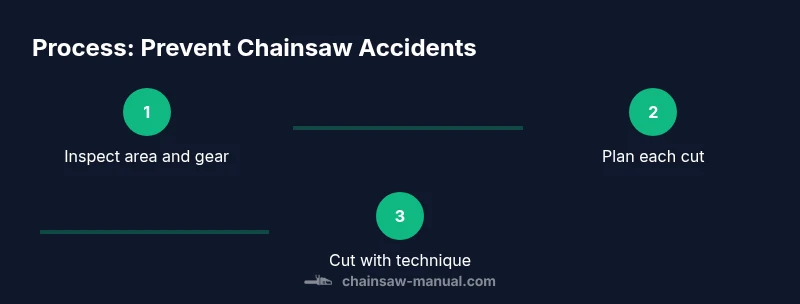
Steps to reduce chainsaw accidents: 1) Wear full PPE and clear the work area; 2) Inspect the saw, chain tension, and fuel; 3) Plan each cut, adopt a stable stance, and use two hands; 4) Use proper cutting technique to avoid kickback; 5) Maintain equipment and have an emergency plan. According to Chainsaw Manual, safety-first habits prevent most accidents.
Why Chainsaw Accidents Happen
Chainsaw accidents are a persistent safety concern for homeowners, loggers, and outdoor workers. They occur when the tool’s power and a reactive chain meet an unstable stance, a cluttered work area, or momentary distraction. According to Chainsaw Manual, complacency is a major driver of many incidents, but it is usually compounded by a poor setup and risky cutting choices. This section outlines the common failure modes that lead to chainsaw accidents and how to recognise them before they become injuries. Kickback, where the tip of the bar touches wood and thrusts the saw toward the operator, remains one of the most dangerous hazards. Another frequent scenario is working on uneven ground with a slippery footing, which can cause loss of balance at the moment a cut binds or binds. Fatigue and tight schedules also push operators to take shortcuts, skip inspections, or rush into a cut without a full hazard assessment. By understanding these patterns, you can build safer routines, such as pre-cut checks, clear zones, and deliberate, controlled cutting actions that reduce the risk of acute harm.
Core Causes and Risk Factors
While many chainsaw accidents involve a single moment of misjudgment, most incidents are the result of a chain of errors. The main risk factors include improper chain tension or dull teeth that require more force; worn or damaged guards; failure to set a safe stance; and working from awkward angles. Environmental hazards—wet surfaces, loose soil, shifting logs, or nearby pedestrians—increase the chance of a stumble or a kick causing the saw to move unexpectedly. Distraction, fatigue, and multitasking while operating a chainsaw degrade reaction time and grip strength, making it easier to lose control of the tool. In addition, insufficient maintenance, such as clogged air filters or a dull chain, forces the operator to push harder, which raises the likelihood of a slip or kickback. Awareness of these risk factors helps you design a safer workflow, with clear zones, defined escape routes, and a routine of stopping to reassess before each major cut.
Personal Protective Equipment and Workspace Preparation
Proper PPE reduces the severity of chainsaw accidents and often prevents them entirely. A complete PPE set should include a hard hat with a face shield, hearing protection, cut-resistant chaps or pants, gloves, and steel-toed boots with good traction. In addition, maintain a clean, clutter-free workspace: remove tripping hazards, keep bystanders at a safe distance, and establish a clear retreat path. Before starting, check the saw’s fuel and bar oil levels, verify chain tension, and inspect the chain for nicks or cracks. A quick pre-start wobble test can reveal loose components that would fail under load. If you’re cutting near water or on uneven ground, consider using stabilizing supports or log cribs to maintain balance. The goal is to create a working envelope where the operator can move confidently without stepping into danger.
Safe Cutting Techniques to Prevent Kickback
Avoiding kickback starts with technique and awareness. Hold the saw with both hands, keep your elbows unlocked, and maintain a stance that puts your weight over the midfoot. Always begin with the bar behind the cut line in neutral, and never let the tip of the bar contact the wood while initiating a cut. Use the full length of the bar for a controlled slice and watch for chain-pinch situations. When cutting, direct the downward force into the wood rather than toward your body, and never reach around a log or branch with the saw running. Engage the chain brake whenever you pause, and release it only when you’re ready to move. For branches or limbs under load, make relief cuts to reduce resistance and prevent sudden bar movement. Regularly file and sharpen the chain; a dull chain requires more force and increases the risk of slips and accidents.
Equipment Maintenance and Pre-Use Checks
Maintenance is a major safety lever in chainsaw work. Start with a thorough visual inspection: check the bar and chain for damage, ensure the chain brake is working, and verify guards and handles are intact. Confirm fuel mixtures follow manufacturer recommendations and ensure fresh bar oil is present. Check air filters, spark plug condition, and mufflers for blockages. Before each use, test the chain tension with a light tug and spin the bar by hand to detect stiff spots. Keep your chain sharp and store your saw in a dry, secure location when not in use. A well-maintained saw performs more predictably and reduces the chance of sudden, dangerous movements.
Emergency Response and First Aid Basics
Knowing what to do in an emergency can save a life. If a chainsaw accident occurs, prioritize stopping the saw, activating the chain brake, and ensuring the scene is safe for you and others. Stop bleeding with clean dressings and apply direct pressure; if possible, elevate the injury only if it does not create additional risk. Call emergency services for serious injuries and keep bystanders away from the work area. If you are trained, use a basic first-aid kit that includes wound dressings, bandages, gauze, tourniquet, and antiseptic wipes. After care, document what happened and review the incident to prevent recurrence. Finally, always arrange a post-incident debrief and consider formal training to refresh skills.
Creating a Safety Mindset: Training and Drills
Safety is trained behavior, not luck. Invest time in formal chainsaw safety courses and regular refreshers. Practice controlled starts, safe grip, and stance in a low-stakes setting. Run periodic drills that simulate hazards, such as kickback scenarios or entanglements, so you respond instinctively. Build a personal checklist and practice it before every cut. Encourage peer checks and coaching to reinforce compliance. A safety culture reduces the chance of chainsaw accidents by turning caution into habit.
Real-World Scenarios and Checklists
Real-world experience highlights the value of checklists. Use a pre-cut checklist that covers PPE, area clearance, tool condition, and escape routes. For each log, assess its stability and plan the cut to avoid binding. When working alone, communicate your plan and timing with someone who can assist if needed. Keep a short safety notebook recording any near-misses and corrective actions. Finally, adapt a short post-work review to discuss what went well and what could be improved for the next session. These practices help translate knowledge into consistent, safe behavior and reduce chainsaw accidents over time.
Tools & Materials
- Full personal protective equipment (PPE) set (helmet with face shield, hearing protection, cut-resistant chaps/pants, gloves, boots)(Ensure helmet has mesh/visor and that PPE fits properly.)
- Sturdy, non-slip work boots(ANSI-rated boots if possible; traction on uneven ground.)
- First aid kit with tourniquet and wound dressings(Include bleeding control supplies.)
- Spare chains and a chain sharpening file(Carry extra chain and keep it sharp.)
- Bar oil and fuel suitable for your saw(Check fuel mix if two-stroke engine.)
- Screwdriver and scrench (wrench) for chain tension(Use proper chain tension tools.)
- Log stabilization aids (supports or cribs)(Stabilize logs to prevent rolling or pinching.)
- Clear marking tape or cones to zone off area(Maintain safe perimeter.)
Steps
Estimated time: 30-45 minutes
- 1
Inspect the work area and gear
Survey the work zone for tripping hazards, bystanders, and stable footing. Check the chainsaw for damage, ensure the chain is sharp, and verify the chain brake and handles function correctly.
Tip: Do a quick stop-test on a scrap log before starting to confirm everything responds as expected. - 2
Don and verify PPE
Put on the helmet with face shield, hearing protection, cut-resistant pants, gloves, and sturdy boots. Confirm fit and comfort before handling the saw.
Tip: If PPE is uncomfortable, address size or fit rather than sacrificing protection. - 3
Start and test the saw safely
Engage the chain brake, prime if needed, and start with the bar clear of wood. Gently rev to test idle and ensure no unusual vibrations or smoke.
Tip: Never start with the saw resting on wood or debris. - 4
Plan cuts and position
Select your cutting angle, keep the body centered, and set up an escape path. Avoid reaching across the workpiece or placing your body in line with the bar.
Tip: Position yourself so you can step backward away from the chain if needed. - 5
Make controlled cuts
Begin with gradual, supervised cuts using the full bar length. Maintain two-handed grip and avoid forcing the saw through material.
Tip: Stop if you notice binding or unexpected resistance. - 6
Post-cut checks and maintenance
Turn off the saw, apply the chain brake, inspect the chain and bar, and refuel or oil as needed. Store safely.
Tip: Record any issues for later修 health check and maintenance.
FAQ
What is the leading cause of chainsaw accidents?
Kickback and poor cutting technique are common contributors. Proper stance, technique, and maintenance significantly reduce risk.
Kickback and poor technique are the big culprits; using proper stance and maintenance helps prevent accidents.
Is PPE mandatory for chainsaw use?
Wearing appropriate PPE is essential for safety. It minimizes injury severity and protects against common hazards.
Yes. PPE is essential for safety and injury prevention.
How can I prevent kickback during cutting?
Keep the bar away from the wood tip, use both hands, maintain balance, and engage the chain brake when pausing.
Avoid the tip of the bar and keep two hands on the saw to prevent kickback.
What should I do if someone is injured by a chainsaw?
Turn off the saw, call emergency services if serious, apply direct pressure with clean dressings, and avoid moving serious injuries.
Turn the saw off, call for help, and apply direct pressure with clean dressings.
How often should I inspect my chainsaw before use?
Always inspect the chainsaw before use, ensuring chain tension, chain sharpness, brakes, and fuel/oil levels are correct.
Always check the saw before using it.
Does training reduce chainsaw accidents?
Yes. Regular safety training reinforces best practices and keeps reflexes sharp in real work conditions.
Training helps reduce accidents by reinforcing safe habits.
Watch Video
The Essentials
- Wear proper PPE every time.
- Plan each cut and maintain a stable stance.
- Inspect saw and area before starting.
- Use correct cutting techniques to reduce kickback.
- Know emergency steps and have first aid ready.