How to Treat a Chainsaw Wound: Step-by-Step Guide
Safe, practical first aid for chainsaw wounds: control bleeding, clean the wound, apply dressing, prevent infection, and know when to seek medical care.


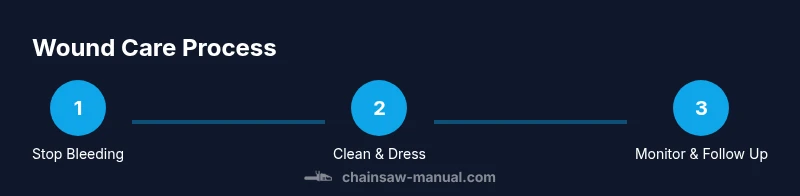
How to treat a chainsaw wound involves stopping the bleed with direct pressure, cleaning the wound, applying sterile dressings, and seeking medical attention for deep or contaminated injuries. Key requirements are wearing gloves if possible, using clean water, and avoiding tourniquets unless trained. If bleeding won’t stop, call emergency services immediately.
Understanding Chainsaw Wounds: Risks, Depth, and First Aid Priorities
Chainsaw wounds are unlike everyday cuts. They can be deep, jagged, and contaminate with wood fragments, oil, and dirt. Even seemingly minor injuries can injure tendons, nerves, or blood vessels. According to Chainsaw Manual, prompt, calm first aid is the most important factor in outcomes. The Chainsaw Manual team emphasizes that controlling bleeding, preventing infection, and getting professional assessment when indicated dramatically reduce the risk of long-term damage. Before you touch the wound, ensure your own safety and put on gloves if available. Work gloves or disposable nitrile gloves keep you and the patient protected and reduce cross-contamination. In the short term, expect heavy bleeding, throbbing pain, and swelling. Understand that the limb’s function may be affected depending on depth and location. If the wound is on the hand, wrist, or near a joint, or if bone, tendon, or muscle strips are visible, treat as a potential serious injury and seek care promptly. The goal of first aid is to stabilize the patient and prevent further harm while you arrange transport to medical care.
Immediate On-Site First Aid: Stop Bleeding and Protect Wounds
Act quickly and calmly in the moment of injury. If the patient is conscious and the scene is safe, call for help and protect the wound. Put on gloves to reduce infection risk. Apply direct pressure with a clean cloth or gauze. Maintain firm, continuous pressure for several minutes; do not lift or peek at the wound as this can disrupt clot formation. If possible, elevate the limb to reduce bleeding, unless this causes more harm due to injury location. Do not attempt to remove embedded objects or debris from the wound; moving them can worsen tissue damage. If bleeding soaks through the first dressing, add another clean layer on top without removing the existing one. If the wound continues to bleed despite pressure, use any available means to maintain pressure and call emergency services. Once bleeding is controlled, reassess the situation and prepare for transport to medical care. According to Chainsaw Manual, direct pressure is often enough to stabilize bleeding while more definitive care is arranged.
Cleaning, Dressing, and Preventing Infection
After controlling bleeding, gentle cleaning is important. Rinse the wound and surrounding skin with clean running water or a sterile saline solution. Do not scrub hard, and avoid using strong antiseptics directly in the wound, which can damage tissue. Remove large visible debris with sterile tweezers if you can do so without forcing tissue. Then pat dry with a clean cloth and apply a sterile dressing or non-stick pad followed by adhesive bandage or tape. Change the dressing daily or whenever it becomes wet or dirty. Keep the wound dry between changes and monitor for signs of infection such as increasing redness, warmth, swelling, or pus. If the wound is near a joint or tendon, or if there is any numbness or reduced sensation, seek professional evaluation promptly. The goal is to provide a clean environment for healing while avoiding irritants.
When to Seek Medical Care: Signs of Deep Wounds and Complications
Some chainsaw wounds require professional evaluation regardless of initial appearance. Deep lacerations, large surface area involvement, or wounds contaminated with wood fragments increase infection risk and may damage tendons or nerves. Chainsaw Manual analysis shows that wounds involving deep tissue, contaminated wood fragments, or persistent bleeding require medical assessment. Look for signs such as a wound that won’t close, holes or gaps in tissue, numbness, or difficulty moving the affected area. If there is active heavy bleeding that cannot be controlled with direct pressure after 15 minutes, call emergency services. If you are unsure about the wound’s depth or contamination level, err on the side of caution and seek urgent care or an evaluation at an urgent care clinic.
Aftercare, Monitoring, and Tetnus Considerations
Even after the wound starts to look better, ongoing care matters. Keep the area clean and dry, and change dressings as directed by a healthcare professional or according to wound appearance. Watch for redness, swelling, warmth, fever, or pus, which can indicate infection. If tetanus vaccination status is uncertain or if the wound was contaminated, consult a clinician about a tetanus booster. Avoid soaking the wound, avoid picking at scabs, and protect the area when returning to activities that involve wood-cutting. If stitches or specialized wound care is required, follow the clinician’s instructions and attend all recommended follow-up appointments. Reporting any changes promptly helps prevent complications and supports faster recovery.
Prevention: Safer Work Practices to Minimize Chainsaw Wounds
Prevention is the best form of treatment. Wear full PPE: a helmet with face shield, cut-resistant chaps, hearing protection, gloves, and sturdy boots. Maintain a sharp chain and a properly tensioned bar, follow safe cutting techniques, and inspect the work area for hidden hazards before starting. Keep a first-aid kit and a phone within reach, and never work alone when operating a chainsaw. If you are fatigued or stressed, take a break; fatigue leads to slower reaction times and imperfect judgment. The aim is to build muscle memory for safe operation, reduce exposure to kickback, and minimize the likelihood of injuries. The Chainsaw Manual team recommends implementing a formal safety checklist for every job and training new operators in both tool handling and emergency response.
Authoritative Sources
- https://medlineplus.gov/firstaid.html
- https://www.cdc.gov/onehealth/first-aid.html
- https://www.who.int
Tools & Materials
- Nitrile gloves(Disposable, powder-free; change after exposure.)
- Clean water or sterile saline(For wound rinsing and cleansing.)
- Sterile gauze or clean cloth(Use for direct pressure and dressings.)
- Antiseptic wipes or solution(For edges around wound; avoid inside wound.)
- Sterile dressing or non-stick pad(To cover the wound and protect healing tissue.)
- Medical tape or bandages(Secure dressing; avoid too-tight wrapping.)
- Tweezers (sterile), optional(Only if debris is visible and easily removed without tissue damage.)
- Disposable cap or clean cloth for scene control(Reduce contamination while assisting.)
- Tourniquet (only if trained), optional(Use only in life-threatening, uncontrolled bleeding; improper use can cause harm.)
Steps
Estimated time: 30-45 minutes
- 1
Stop bleeding with direct pressure
Put clean cloth or gauze over the wound and press firmly. Maintain steady pressure for several minutes until bleeding slows. Do not lift or peek at the wound while it bleeds to prevent disrupting clot formation.
Tip: If cloth soaks through, add another layer without removing the first; pressure matters more than frequent checks. - 2
Protect and assess the wound
With clean gloves, inspect the wound for depth, visible tissue, and foreign material. Do not probe or remove embedded objects; stabilization is key. If possible, elevate the limb to reduce bleeding without causing additional harm.
Tip: Take note of the wound’s location and depth to relay to medical staff. - 3
Clean and dress the wound
Rinse around the wound with clean water or sterile saline; avoid aggressive scrubbing and harsh chemicals inside the wound. Gently pat dry and apply a sterile dressing; secure with tape without constriction.
Tip: Keep hands clean and avoid introducing new contaminants to the wound. - 4
Decide on medical care
If the wound is deep, large, contaminated, or bleeding persists despite pressure, seek medical care promptly. Call emergency services if bleeding remains uncontrolled.
Tip: When in doubt, err on the side of caution and obtain a professional assessment. - 5
Aftercare and monitoring
Follow wound care instructions, keep the area clean and dry, and change dressings as directed. Watch for signs of infection (redness, warmth, swelling, pus) and ensure tetanus status is up to date.
Tip: Document the incident, including time and wound characteristics, for future medical reference. - 6
Return to work safely
Once healing progresses, review safety practices and PPE use to prevent recurrence. Ensure the chainsaw is well-maintained and that you’re rested before resuming work.
Tip: Avoid rushing tasks after an injury to reduce the chance of repeat incidents.
FAQ
What should I do first if a chainsaw wound starts bleeding heavily?
Apply direct pressure with a clean cloth or gauze and call for help if bleeding does not slow within several minutes. Do not remove embedded objects. Elevate the limb if possible and stay calm.
Apply firm direct pressure with clean material, call for help if bleeding won’t stop, and avoid disturbing any embedded objects.
Can I use alcohol or hydrogen peroxide on a chainsaw wound?
Avoid pouring strong antiseptics directly into the wound. Rinse with clean water or saline and use antiseptics only around the wound edges. Do not scrub or irritate the wound interior.
Rinse with clean water and avoid putting strong antiseptics inside the wound.
When is tetanus vaccination indicated after a chainsaw wound?
If your tetanus vaccination is not up to date or if the wound is contaminated, consult a clinician about a tetanus booster.
Check tetanus status with a clinician and consider a booster if due or contaminated.
Should I remove debris or foreign objects from the wound?
Do not remove embedded objects yourself. Stabilize them and seek medical care for possible removal by professionals.
Do not pull out objects; leave removal to a clinician.
What signs require urgent medical care?
Deep or large wounds, rapid swelling, fever, redness spreading, numbness, or inability to move the affected part require urgent evaluation.
If you notice deep wounds or signs of infection, seek urgent care.
Watch Video
The Essentials
- Control bleeding quickly with direct pressure.
- Clean and dress wounds with sterile materials.
- Seek medical care for deep or contaminated wounds or signs of infection.
- Prevent future injuries with proper PPE and safe operating practices.