Chainsaw 101: A Practical Safety Guide for Beginners
Learn the essentials of operating a chainsaw safely with Chainsaw Manual's Chainsaw 101. PPE, start-up steps, maintenance, and safety tips.


Chainsaw 101 helps you safely prepare, start, operate, and maintain a chainsaw. In this quick guide, you’ll learn PPE essentials, pre-use checks, proper stance, basic cutting techniques, and common mistakes to avoid. Use the step-by-step approach to reduce risk and gain confidence. This article is designed for homeowners, DIY enthusiasts, and pros.
What is Chainsaw 101? A Practical Introduction
According to Chainsaw Manual, chainsaw 101 is the foundational safety-first guide for operating a chainsaw. It sets the baseline expectations for preparation, safe start-up, controlled cutting, and post-use care. This module clarifies who should use a chainsaw, when to pause work, and the basic language you will hear on jobsites.
In essence, chainsaw 101 is about building confidence through predictable steps, deliberate decision-making, and consistent safety checks. It is designed for homeowners, DIY enthusiasts, and professionals who want to minimize risk while achieving effective results. The aim is not to rush a cut, but to plan the cut, choose the right technique, and execute with control.
Key terms you will encounter include kickback, bar oil, chain brake, and chain tension. Knowing these terms helps you follow safety guidance and communicate clearly with teammates.
PPE and Personal Safety Essentials
Personal protective equipment (PPE) is the first line of defense when using a chainsaw. A properly fitted helmet with a face shield protects eyes and face from flying debris, while hearing protection minimizes noise exposure. Cut-resistant chainsaw chaps or pants reduce injuries if the chain contacts legs. Sturdy, non-slip boots with good ankle support help maintain balance on uneven ground. Gloves provide grip and protect hands from vibration and accidental contact with sharp components. When selecting PPE, ensure all pieces are rated for chainsaw work and are in good condition.
Before starting, inspect PPE for cracks, tears, or wear. Replace any damaged gear immediately. When in doubt, wear more protection rather than less. Remember that PPE is not optional gear for a rare job it is essential for every session. The Chainsaw Manual Team emphasizes that proper PPE not only protects you but also improves morale and confidence on the job.
Chainsaw Anatomy and Basic Maintenance Overview
Understanding the core components helps you diagnose issues and perform simple maintenance safely. A chainsaw comprises the engine, guide bar, chain, chain brake, recoil starter, and controls such as the throttle and on/off switch. The chain uses sharp teeth to cut, while the bar guides the chain during rotation. Regular maintenance keeps performance predictable: keep the chain sharp, tension correct, and bar oil flowing to the bar and chain.
Basic maintenance tasks include cleaning debris after use, checking chain tension, lubricating the bar and chain with oil, and inspecting the air filter. If any part is damaged or excessively worn, consult a professional or refer to the manufacturer’s service manual. According to Chainsaw Manual analysis, routine lubrication and proper tensioning extend bar life and reduce heat buildup in use.
Pre-Use Checks and Safe Start-Up Procedure
Start by choosing a safe, stable work area away from bystanders and obstacles. Check the fuel level and fill as required according to the manufacturer’s guidelines, and ensure there is enough bar oil. Engage the chain brake, grip the saw firmly with both hands, and adopt a balanced stance with your feet about shoulder-width apart. Set the throttle lock to the idle position and lay the saw on the ground as you prepare to start.
When starting, use the correct method recommended for your model: either a stomp start or a pull-start action. Do not start with the chain engaged or without ensuring the chain will not move. Keep the saw away from your body, and only remove the chain brake when you are ready to cut. This step helps minimize the risk of kickback and injury.
Cutting Techniques and Ergonomic Stance
Adopt a stable, balanced stance with your left foot forward and right foot back to maintain control. Stand to the side of the cutting path rather than directly behind it, and keep both hands on the saw with a firm but relaxed grip. Use smooth, steady cuts, letting the chain do the work rather than forcing the saw. Always cut at waist level or below for better control, and avoid cutting overhead unless absolutely necessary with proper support.
When felling small trees or limbing, plan the direction of the fall and consider escape routes. Avoid binding the chain or forcing through knots, and pause to reassess if you encounter a bind or pinching situation. Remember that kickback can occur if the nose of the bar contacts the wood, so use the chain brake and maintain a safe position to mitigate the risk.
Maintenance, Cleaning, and Storage
After use, clean the saw of sawdust and resin to prevent clogging and corrosion. Wipe down the exterior, check the chain tension, and apply oil to both the bar and chain as needed. Sharpen or replace dull teeth before the next use, using proper files and gauges as recommended by the manufacturer. Store the chainsaw in a dry, secure location away from children and pets, with fuel tanks closed and the chain brake engaged when not in use.
Regular maintenance reduces downtime and extends tool life. If you notice unusual vibration, unusual noise, or reduced power, stop the saw and consult a professional promptly. The goal is to keep the tool reliable and safe for the next job.
Common Mistakes and Troubleshooting
Common mistakes include starting the saw with the chain brake disengaged, cutting from an unstable stance, and neglecting proper chain tension or bar oil. Another frequent issue is dull or damaged chains, which increases effort and raises the risk of slips. If the saw stalls or binds, stop cutting, unplug the spark or fuel system if applicable, and re-evaluate the cut plan. Basic troubleshooting often involves sharpening the chain, tensioning properly, and verifying fuel and oil levels.
Remember, if you are unsure about a situation, pause and reassess before continuing. Safety is not a single step but a habit.
Real-World Scenarios and Quick Start Plan
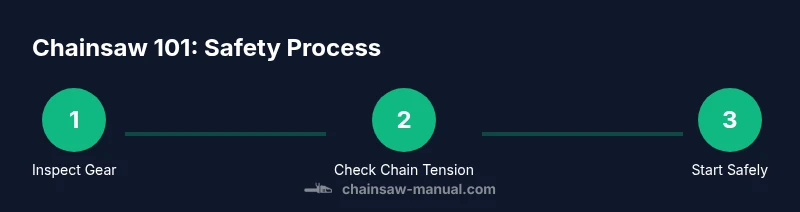
In real-world work, you’ll perform a quick pre-check before each cut and keep a mental map of your escape routes. Create a compact 90-second checklist: inspect PPE and gear, inspect the saw, check fuel and oil, set chain brake, start safely, and position yourself with a stable stance. When proceeding with a cut, maintain a controlled pace and watch for kickback signs. If you must adjust a cut, stop the saw, reassess the position, and adjust your body stance before resuming.
The Chainsaw Manual Team emphasizes that ongoing practice leads to quicker, safer decisions on site. By following the steps above, you develop muscle memory that translates into safer, more efficient work.
Authoritative Sources
For further reading on safety guidelines and best practices, consult trusted sources such as: https://www.osha.gov, https://www.cdc.gov/niosh/, and https://www.nap.edu
Tools & Materials
- Chainsaw(Ensure chain is sharp and tensioned; check for damage.)
- PPE: helmet with face shield(Include hearing protection and eye protection; verify fit.)
- Cut-resistant chainsaw chaps(Protect legs from accidental contact with chain.)
- Work gloves(Provide grip and hand protection.)
- Sturdy boots(Non-slip, preferably with ankle support.)
- Bar oil and fuel(Follow manufacturer guidelines for mix and quantity.)
- Screwdriver and scrench(For bar tension and maintenance tasks.)
- First-aid kit(Basic kit for minor injuries.)
- Fire extinguisher(Optional safety measure for worksite.)
Steps
Estimated time: 30-60 minutes
- 1
Inspect gear and workspace
Kick off with a quick visual check of PPE, tools, and the work area. Remove obstacles, tidy cords, and clear bystander paths. Confirm the chain brake is functional and hands are dry for a secure grip.
Tip: Always pause if you see damaged PPE or a loose tool before proceeding. - 2
Check saw condition
Examine the chain for sharpness, tension, and lubrication. Inspect the bar for wear and ensure the air filter is clean. Verify that the throttle and kill switch operate smoothly.
Tip: A dull chain or loose bar increases effort and risk of slips. - 3
Prepare fuel and oil
Fill fuel and bar oil according to the manufacturer’s directions. Avoid refueling near open flames or heat sources. Wipe up any spills immediately and dispose of rags safely.
Tip: Never mix fuel near ignition sources; work in a well-ventilated area. - 4
Start the saw safely
Engage the chain brake and adopt a stable stance. Use the model-specific start method and keep the chain away from your body. Allow the engine to warm before cutting.
Tip: Keep the saw at arm's length from your body during startup. - 5
Make the first cut with control
Begin with a light, controlled cut to test bite and feedback. Maintain a firm grip, stance, and slow, steady motion. Let the saw do the work; avoid forcing through wood.
Tip: If the saw binds, stop, disengage, and reassess your position. - 6
Post-use checks and storage
Cool the engine, clean residue, and lubricate moving parts. Check chain tension again and engage the chain brake for storage. Store in a dry place away from children.
Tip: Wipe the tool down to prevent corrosion and rust buildup.
FAQ
What is the purpose of Chainsaw 101?
Chainsaw 101 provides foundational safety knowledge, operating basics, and maintenance practices to help new users start safely and build confidence.
Chainsaw 101 teaches safety basics, starting procedures, and basic maintenance to help you work confidently.
What PPE is required for chainsaw work?
Essential PPE includes a helmet with face shield, hearing protection, gloves, cut-resistant chaps, and sturdy boots. Wear PPE every time you operate a saw.
Always wear your PPE when using a chainsaw.
How do I start a chainsaw safely?
Follow the model specific start procedure, engage chain brake, ensure a stable stance, and keep your body away from the chain path.
Always start safely with the chain brake on and a stable stance.
What maintenance tasks are regular musts?
Regularly clean debris, check chain tension, lubricate the bar and chain, sharpen the chain, and store correctly.
Keep the chain sharp and the bar well oiled for best performance.
What are common kickback risks and how can I reduce them?
Kickback happens when the bar nose contacts wood or the saw binds. Maintain a safe stance, avoid overhead cuts, use the chain brake when repositioning.
Be vigilant for kickback by maintaining distance and using the brake when needed.
Watch Video
The Essentials
- Wear proper PPE before any cutting.
- Inspect and prepare the saw and workspace.
- Use proper stance and cutting technique.
- Maintain, sharpen, and store the saw properly.