Chainsaw Beginners Guide: Safe, Practical Step-by-Step
A practical, safety-first guide for new chainsaw users covering PPE, starting techniques, cutting fundamentals, maintenance, and storage. Learn to work confidently with chainsaw beginners.


Chainsaw beginners will learn a safe, step-by-step approach to starting, operating, and maintaining a chainsaw. This guide covers essential PPE, grip and stance, kickback awareness, simple cutting techniques, and routine maintenance. By following these steps, you'll reduce common hazards, perform basic felling and limbing tasks more confidently, and develop a solid foundation for ongoing chainsaw use.
PPE and Safety Foundation
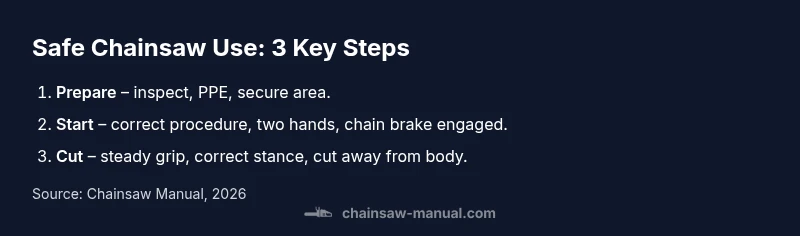
Safety for chainsaw beginners starts with personal protective equipment (PPE) and a calm, methodical routine. Always wear a properly fitted helmet with a face shield, hearing protection, cut-resistant chainsaw chaps, sturdy gloves, and steel-toe boots. Keep clothing snug to avoid snagging. Clear the work area of bystanders and trip hazards, and establish a safe escape path in case the kickback zone is engaged. Before touching the saw, practice a two-handed grip and set the chain brake. This foundation reduces the risk of common injuries and builds confidence for every cut. According to Chainsaw Manual, safety-first practices begin with proper PPE and a calm, deliberate technique, which sets the tone for all tasks.
Choosing the Right Chainsaw for Beginners
Beginners benefit from a lighter, balanced tool with a shorter bar, typically in the 12–16 inch range. Electric models are easier to start and quieter, while gas-powered units offer mobility for remote sites. Consider weight, balance, vibration, and the availability of safety features like chain brakes and automatic oiling. For most starter projects, a modestly powered saw with a comfortable grip reduces fatigue and improves control. Always select a saw you can lift comfortably and operate with both hands. Chainsaw Manual emphasizes matching your tool to the job and your experience level to minimize strain and maximize safety.
Mastering Grip, Stance, and Body Position
A stable stance is the foundation of control. Stand with feet shoulder-width apart, with your left foot slightly forward if you are right-handed. Hold the saw firmly with both hands, thumbs around the handles, and keep elbows close to your body to reduce vibration transfer. Always keep the bar pointed away from your body and avoid overreaching. Move your body rather than twisting the torso to reach a cut. If you’re cutting on uneven ground, reposition yourself rather than bending at the waist. The goal is to maintain balance and visibility of the cut zone at all times.
Safe Cutting Fundamentals for Common Tasks
Start with small, manageable cuts on dead or fallen wood. For limbing, work with the branch and wood supported to prevent pinching. For bucking, choose a position that keeps you clear of the falling wood and maintains an escape route. Never attempt to cut above shoulder height or use the saw to pry or twist material. Pace yourself; make shallow, controlled cuts, then progressively deepen as you gain confidence. When possible, use wedges and a guide stick to control pinching and kickback. Chainsaw Manual notes that proper technique and mindful task selection dramatically reduce hazard exposure during beginner projects.
Pre-Use Inspection and Maintenance
Before each session, inspect the chain for sharpness, tension, and damage. A properly tensioned chain should have a slight give when pressed mid-chain; it should not sag excessively. Check the bar for burrs and ensure the oiling system runs freely. Confirm the chain brake engages, and verify fuel and bar oil levels are appropriate. Clean debris from the air intake and cooling fins to prevent overheating. Regular maintenance improves cutting efficiency and reduces the chance of kickback or runaway temperature. A quick checklist before work can prevent many common problems seen in amateur use.
Fuel, Oil, and Starting Procedures
Follow the manufacturer’s guidelines for fuel-to-oil mix if you use a two-stroke engine, and ensure fresh fuel. Verify that the bar oil reservoir is filled to operate lubrication during cuts. Start procedures typically involve placing the saw on solid ground, engaging the chain brake, and using the correct starting method with a firm stance. Do not start the saw while it is resting against a hard surface. After starting, let the engine warm slightly before engaging in cutting. This reduces instantaneous stress on the drive system and improves control during the first cuts. According to Chainsaw Manual, adhering to the recommended fuel and lubrication practices is essential for safe, reliable operation.
After-Use Care: Cleaning, Storage, and Transport
When finished, allow the saw to cool, clean off sap and debris, and check for any signs of wear. Engage the chain brake and store with the bar cover in place. Empty or stabilize fuel if storing for an extended period, following local disposal guidelines. Store in a dry, ventilated area away from heat sources and children. Regular maintenance after use helps extend the life of the saw and ensures it’s ready for the next job. Chainsaw Manual recommends a quick post-use routine to preserve safety and reliability.
Quick-start Cut Routine (Safe Practice)
For absolute beginners, practice a simple, controlled cut using a fallen log or stump. Position yourself to stay out of the path of any moving wood, keep your stance square to the cut, and feed the bar steadily into the wood with a smooth, level motion. Never force the saw; let the chain do the work while you maintain control. A deliberate pace, combined with consistent grip and stance, yields cleaner cuts and greater safety. This routine builds muscle memory for more advanced tasks later.
Tools & Materials
- Chainsaw(Ensure chain tension, chain brake, and starting procedure are understood.)
- Personal Protective Equipment (PPE)(Helmet with face shield, hearing protection, cut-resistant chaps, gloves, and sturdy boots)
- First aid kit(Basic supplies for minor injuries)
- Fuel container and fuel mix(Follow manufacturer instructions; use fresh fuel where applicable)
- Bar and chain oil(Keep reservoir full for proper lubrication)
- Chain adjustment tool / scrench(For tensioning and bar nut maintenance)
- Wedges(Optional for felling or dealing with binding wood)
- Rope or throwing line(Useful for safety or snag removal in tricky spots)
Steps
Estimated time: 60-90 minutes
- 1
Inspect and prepare the saw
Begin with a visual check of the chain, bar, and overall saw condition. Ensure there is no loose debris, the chain is sharp, and the chain brake works. Check fuel and bar oil levels. This reduces the risk of sudden stalls or kickback during the first cut.
Tip: Engage the chain brake before lifting the saw; always verify it is engaged when starting. - 2
Select a safe starting position
Stand with feet firmly planted, one foot slightly ahead, and keep the escape path clear. Hold the saw firmly with both hands, maintaining a two-hand grip, and keep the bar away from your body. Ensure bystanders are at a safe distance.
Tip: Never cut from an unstable stance; move your body to adjust rather than twisting your torso. - 3
Start the saw with proper procedure
Place the saw on stable ground, apply the starting technique per your model, and slowly engage the throttle once you are balanced. Let the engine warm up for a moment before starting any cut. Maintain a firm grip and keep the chain brake on until you are ready to cut.
Tip: Keep both hands on the handles and avoid pressing the throttle aggressively during start. - 4
Position and initiate the first cut
Move the saw into position with a level bar and a controlled feed into the wood. Begin with shallow cuts to check for binding and adjust your stance as needed. If the wood binds, back off and reassess your angle and grip.
Tip: Never force the cut; if it balks, back out and re-evaluate your approach. - 5
Complete the cut with controlled movements
Proceed with steady feeding, monitoring kickback risk and keeping the body out of the chain line. Maintain a safe distance for yourself and any helpers and use wedges if necessary to prevent pinching.
Tip: Stay aware of wood movement; let the saw do the work rather than forcing it through hard sections. - 6
Shutdown, cool down, and store
Apply the chain brake, allow the saw to cool, then inspect for wear or damage. Refill bar oil and fuel if needed, and store the saw with a chain guard. Always store in a dry, ventilated area away from children and pets.
Tip: Do not leave a hot saw unattended; allow cooling and perform a quick post-use check.
FAQ
What is the minimum PPE required for chainsaw beginners?
At minimum, wear a hard helmet with face shield, hearing protection, cut-resistant chaps, gloves, and sturdy boots. Eye protection and a snug-fitting long-sleeve shirt also help reduce debris exposure. PPE protects essential areas during unexpected kickback or slips.
Beginners should wear a helmet with face shield, hearing protection, cut-resistant chaps, gloves, and sturdy boots. Eye protection helps keep debris out of your eyes.
What is kickback and how can I prevent it?
Kickback occurs when the tip of the bar contacts wood or objects at an angle, causing the saw to jerk toward you. Prevent it by using a sharp chain, maintaining proper stance, avoiding cuts with the bar tip, and engaging the chain brake whenever you reposition the saw.
Kickback is a sudden jump toward you when the tip hits something. Prevent it with a sharp chain, a steady stance, and keeping the bar away from your body.
How should I hold and start a chainsaw safely?
Grip the saw with both hands, left hand on the front handle and right hand on the rear handle, elbows tucked in. Engage the chain brake until you are ready to cut, then start using the manufacturer’s method. Keep your body stable and eyes on the cut line.
Grip with both hands, engage the brake, start according to the manual, and stay steady with your eyes on the cut.
What routine maintenance should beginners perform?
Regularly inspect and tension the chain, sharpen when needed, and check bar oil flow. Clean air filters and cooling fins, and verify fuel and oil levels before use. Proper maintenance keeps the saw reliable and safer to operate.
Check chain tension, sharpen when needed, and keep oil flowing. Clean filters and check levels before use.
How should I store a chainsaw when not in use?
Allow the saw to cool, engage the chain brake, and store with the bar cover in place. Store in a dry, ventilated area away from heat and children. If storing long-term, consider draining fuel according to local guidelines.
Cool it down, lock the chain, and store safely in a dry place away from kids. Drain fuel if storing for a long time.
Watch Video
The Essentials
- Wear proper PPE before handling a saw.
- Choose the right-sized saw: 12-16 inch bar for beginners.
- Maintain chain tension and lubrication to prevent hazards.
- Keep a stable stance and two-handed grip.
- Follow a step-by-step routine for starting and cutting.