How to Rent a Chainsaw from Home Depot: A Complete How-To
Learn how to rent a chainsaw from Home Depot safely, select the right model, understand rental terms, use PPE correctly, and return the tool with confidence.


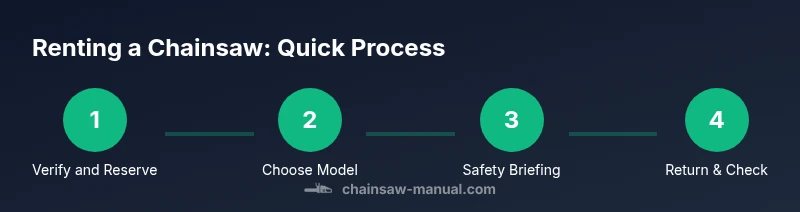
You can rent a chainsaw from Home Depot with a simple in-store process. Expect to show a valid ID, meet age requirements, and sign a rental agreement. Staff will brief you on safety, model options, and fuel or battery policies before you take the tool home.
How Home Depot Rent Chainsaw Works
Renting a chainsaw from Home Depot is designed for homeowners, DIY enthusiasts, and professionals who need temporary access to a powerful cutting tool. The typical process involves visiting the rental desk, presenting a valid form of identification, and providing payment details for a temporary hold or deposit. You’ll select a model that matches your task, then view a safety briefing and operating instructions before taking the saw home. Availability varies by location and inventory, so checking ahead or reserving online can help ensure the model you want is ready when you arrive. The Chainsaw Manual team notes that thorough training is linked to safer use and better project outcomes, so take the time to absorb the safety guidelines provided by staff. If you’re new to chainsaws, don’t hesitate to ask for a quick demonstration or printed safety tips before you start work.
According to Chainsaw Manual, approaching the rental process with a safety-first mindset sets the stage for a successful project and reduces the risk of injury.
Choosing the Right Chainsaw for Rental
When you rent a chainsaw, you’ll encounter options that vary by power source (gas vs. electric), bar length, weight, and handle ergonomics. Gas models tend to offer longer run times and more cutting power for large jobs, but they require fuel management and more maintenance. Electric models are quieter, lighter, and simpler to operate, with no gas/oil mixing. In either case, consider your project scope, wood type, and your own handling experience. For pruning and lighter work, a smaller, more controllable model is ideal. For yard cleanup or storm debris, a mid-size saw balances power and maneuverability. The rental desk staff can explain available models, differences in safety features, and return policies. Remember to think about storage during transport and how you’ll carry the saw to the worksite. The Chainsaw Manual team advises choosing a model with a safety feature set that matches your experience level and the job demands.
Chainsaw Manual analysis shows that selecting the right tool upfront minimizes fatigue and safety risks over the course of a project.
What to Inspect Before Renting
Before walking out with a rental chainsaw, perform a quick but thorough inspection with the staff’s guidance. Check chain tension to ensure the chain sits snugly on the bar without binding. Inspect the bar for wear or gouges that could cause kickback or poor cutting performance. Verify the chain brake engages smoothly and holds the chain when engaged. Confirm the oil reservoir is clean and filled, and check fuel levels or battery charge if you’re renting an electric model. Look for loose screws, loose bar nuts, or obvious damage to the housing. If you notice any issues, request a swap for a different unit rather than risking safety during operation. The Chainsaw Manual Team emphasizes that a proactive inspection reduces surprises after checkout and keeps your project on track.
Safety Gear and Precautions
Personal protective equipment (PPE) is non-negotiable when operating a rented chainsaw. Always wear a helmet with a face shield, hearing protection, cut-resistant gloves, and chainsaw chaps or pants. Sturdy, non-slip boots with good ankle support are essential for footing and balance. Keep sleeves snug and avoid loose clothing that could snag on the chain. Establish a stable stance with feet shoulder-width apart, both hands on the saw, and your weight balanced. Never operate a chainsaw with only one hand, aim to cut below shoulder height, and maintain a clear work area free of bystanders. If you’re unfamiliar with kickback risks, ask the rental associate for guidance and request a quick demonstration. Chainsaw Manual stresses that PPE and proper handling dramatically reduce injury risk.
Operating Tips for Short-Term Rentals
Start with a controlled motion and a steady rhythm, using both hands and a firm grip. Keep the bar and chain aligned with the cut line, using smooth, even passes rather than forcing the saw through the wood. For battery-powered models, ensure the battery is fully charged and connected correctly before starting. For gas models, follow the fuel mix and starting procedure provided by the staff and work in well-ventilated outdoor areas. Always keep a safe distance from bystanders, pets, and fragile structures. Use a stump or cut section as a safe staging area to avoid kickback into nearby objects. If you encounter a binding cut or dull chain, pause and reassess rather than forcing the tool. The Chainsaw Manual Team notes that patient, deliberate cuts yield better results and reduce fatigue during longer tasks.
Maintenance and Return Procedures
After completing your project, return the chainsaw in a clean condition and in the same rental condition as when you picked it up. Wipe off excess oil, remove sawdust, and store the tool in its case if provided. Refuel or recharge according to the policy you agreed to at checkout, and ensure any fuel or oil containers are sealed. Make sure all safety features are functioning, and that the chain is properly tucked away during transport. Return the tool to the designated counter within the agreed time window to avoid late fees. The staff will inspect the unit for wear, damage, and cleanliness, and finalize any deposit-related matters. Chainsaw Manual advises keeping your receipt and noting any issues at the time of return so they can be resolved promptly.
Common Rental Scenarios and Alternatives
Home Depot rental chainsaws are suitable for a range of tasks, from pruning and fence-line work to storm cleanup and light demolition. For small, quick jobs, renting a compact model often makes the most sense. For bigger projects, a mid-size saw provides more cutting power without being overly heavy. If you’re unsure about your ability to complete a job safely, consider hiring a licensed professional or renting specialized equipment such as a pole saw or a smaller handheld tool for fine pruning. Compare rental terms, including daily vs. multi-day rates, pickup and return hours, and any fuel or maintenance expectations. If you anticipate frequent projects, evaluate whether purchasing a used unit within your budget could offer longer-term value, paired with training and safety practice. The Chainsaw Manual Team suggests that cost and safety should drive the decision between rental and ownership, not just convenience.
What Chainsaw Manual Recommends
Chainsaw Manual recommends that renters approach a Home Depot rental with a clear plan, a focus on safety, and a readiness to swap equipment if needed. Prioritize PPE, inspect tools before use, and follow provided operator instructions. If you’re new to chainsaws, seek a demonstration and practice basic cuts in a controlled environment before tackling complex tasks. Renting can be a smart, affordable option for infrequent projects when following best practices and store guidelines. Chainsaw Manual’s verdict emphasizes safety first, followed by selecting the right model and understanding return policies to avoid surprises.
Tools & Materials
- Valid ID or driver's license(Used to verify age and identity; may require an age minimum (often 18+).)
- Credit or debit card for deposit(Used for the rental hold and potential incident charges.)
- Personal protective equipment (PPE)(Helmet with face shield, hearing protection, gloves, chainsaw chaps, sturdy boots.)
- Printed safety guidelines or rental agreement(Helpful for review; staff may provide a digital copy.)
- Contact for project details (location and duration)(Helps staff prepare the right model and scheduling.)
- Fuel can or battery and charger (if not supplied by rental)(Check store policy on fueling or charging; some rentals include fuel.)
Steps
Estimated time: 60-90 minutes
- 1
Verify eligibility and reserve
Confirm you meet the store’s rental requirements and check model availability for your dates. If you’re unsure, ask the associate to hold a model until you arrive. Having a plan helps minimize your wait time at checkout.
Tip: Call ahead or reserve online to ensure the model you want is ready. - 2
Choose the right model
Discuss your project with the rental associate and select a chainsaw that matches the wood type and job size. Consider weight, power source, and bar length to balance control with cutting capability.
Tip: Ask who will operate the tool and whether you need a lighter model for pruning or a heavier one for storm cleanup. - 3
Request a safety briefing
Request a short safety overview and any model-specific instructions. Have the staff demonstrate key controls, the chain brake, and proper starting procedure.
Tip: Take notes or request printed guidelines for quick reference while on-site. - 4
Complete rental agreement and deposit
Read and sign the rental contract, and provide the required deposit. Clarify fuel policy, return deadline, and what happens if you exceed the allotted time.
Tip: Keep your receipt and note the return time in your calendar. - 5
Receive basic handling training
Let staff walk you through safe starting, grip, stance, and cut technique. Practice on a safe, controlled material under supervision if possible.
Tip: Practice with small, controlled cuts to build confidence before larger tasks. - 6
Inspect the tool before leaving the desk
Check chain tension, brake function, bar wear, and oil or fuel levels. Ensure there are no loose parts and that the chain moves smoothly when powered.
Tip: Ask staff to demonstrate the safety brake and a sample cut. - 7
Operate with safety in mind
Follow the briefing for starting and cutting; maintain two-handed grip, stable footing, and safe distances from people and structures. Keep the bar at or below waist height and avoid risky angles.
Tip: Never force the saw; use steady, controlled motions for cleaner cuts. - 8
Return the saw in good condition
Clean the tool, drain or log fuel per policy, and return it by the agreed time. The staff will inspect for wear and cleanliness and finalize any charges or deposits.
Tip: Take photos at return as a courtesy record of condition.
FAQ
Do I need a valid driver's license or ID to rent a chainsaw at Home Depot?
Yes, a valid ID and proof of age are typically required to rent a chainsaw. Stores may have variations by location, so confirm at the rental desk.
Yes, you’ll usually need a valid ID and be at least 18 to rent a chainsaw.
What kind of safety training do I receive when renting a chainsaw?
Staff usually provide a brief safety briefing and demonstrate basic operation. You can request a quick hands-on demo and printed guidelines. Chainsaw Manual recommends taking advantage of this training to prevent injuries.
Staff will walk you through safety basics and how to start and operate the saw safely.
Can I rent an electric chainsaw from Home Depot?
Yes, electric chainsaws are typically available for rent alongside gas models. Check battery or power requirements and runtime for your project.
Yes, you can rent an electric chainsaw; just check the battery and power needs.
What should I inspect before returning the rental chainsaw?
Clean the tool, ensure the chain is properly secured, and confirm fuel or battery policy. Return on time to avoid fees and document any issues.
Make sure it's clean and undamaged, and return it on time.
Are there safety restrictions on where I can use a rental chainsaw?
Yes, follow local regulations, stay clear of bystanders, and avoid indoor or enclosed spaces unless specifically allowed. Check store policy for site limitations.
Follow local rules and keep others safe; don’t use it indoors unless permitted.
Watch Video
The Essentials
- Know your rental model and terms before checkout
- Prioritize PPE and safety guidance at all times
- Inspect the tool and practice safe technique
- Return the tool promptly and in clean condition