Chainsaw Hire: A Practical Guide to Safe Renting Practices
Learn how to rent a chainsaw safely and cost-effectively. This comprehensive guide covers choosing the right unit, PPE, inspections, operation basics, and the return process for a smooth chainsaw hire experience.


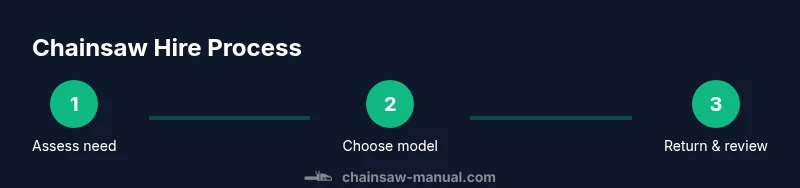
With chainsaw hire, you can access the right tool for your project without buying. This guide explains how to choose the right rental, prepare safety gear, inspect and start the unit, and complete your job safely and efficiently. You'll learn practical steps, common pitfalls, and the return process to keep costs predictable.
Why chainsaw hire makes sense for homeowners and DIY projects
For many homeowners, DIY enthusiasts, and small contractors, chainsaw hire offers an affordable way to access professional-grade power without the long-term commitment of ownership. Chainsaw hire provides flexibility to select a model tailored to your scope—whether you’re felling small trees, limbing, or cutting firewood. According to Chainsaw Manual, renting lets you upgrade to a newer, safer saw when needed and avoid costly maintenance, storage, and depreciation. In practice, hiring a chainsaw aligns with safe work principles: you pay for what you use, you can upgrade to a higher-rated bar length for bigger jobs, and you reduce the risk of owning a tool that sits idle for long periods. When you plan properly, rental costs stay predictable and your workflow remains uninterrupted.
Define your project and rental requirements
Before you browse options, define your project clearly. Note the type of wood, log diameter, and the total quantity of cutting. Estimate how long you’ll need the tool and whether you’ll require extra features like anti-vibration handles or a longer bar for larger trees. This planning helps you avoid over- or under-sizing a chainsaw hire. Also consider the workspace: a compact, well-lit area reduces kickback risk and improves control. Chainsaw Manual emphasizes writing down safety assumptions and operational limits; this upfront clarity can save both time and money when you pick up the rental and sign the contract.
How rental chainsaws differ and what to look for
Rental options vary by engine type (gas vs electric), bar length, and chain quality. Gas-powered models offer mobility and longer runtime, but require fuel handling and more maintenance. Electric and cordless options reduce emissions and noise, which can be advantageous in residential settings. When choosing a unit, align bar length with the typical log diameter: a longer bar cuts more wood per stroke but weighs more and can be harder to handle in tight spaces. Look for features that enhance safety and control, such as chain brakes, low-kickback bars, chain guards, and easy-access oil reservoirs. Always verify that you’re selecting a saw rated for the job size and that the rental shop provides clear operating instructions.
Safety first: PPE and safe handling
Safe operation starts with your PPE and a proper stance. At minimum, wear a helmet with a full-face shield, hearing protection, cut-resistant chaps, and snug gloves. Steel-toed boots with good grip are essential. When operating, maintain a balanced stance with feet shoulder-width apart, never overreach, and keep the saw away from your body. Anti-vibration features can reduce fatigue on longer tasks. Remember, PPE is always mandatory for rental work, and some shops offer PPE as part of the rental package. Chainsaw Manual reinforces these basics to prevent injuries and to help you stay compliant with local safety regulations.
Inspect and test a rental chainsaw before use
Always perform a quick pre-use inspection before leaving the shop. Check chain tension, lubricating oil level, and the chain brake function. Ensure the bar is shown to be true and that the chain moves smoothly without obvious snugging or looseness. Verify fuel status (for gas models) and confirm that the chain catches when engaged. A test cut on a spare wood block can reveal any vibration or binding issues. If you notice anything unusual, refuse the unit and request adjustments or a replacement. This step reduces the risk of equipment failure mid-project.
The rental process: booking, pickup, use, return
A smooth chainsaw hire experience starts with a clear rental agreement. Confirm the model, bar length, duration, fuel policy, and return conditions. At pickup, inspect the unit with staff and document any existing damage. During use, store the saw securely when not in range and follow the manufacturer’s guidance for starting and cutting. When returning, drain or fill fuel according to policy, clean off sap and dirt, and ensure the chain is not damaged. The goal is to leave no questions about wear or charges, protecting both you and the rental provider.
Maintenance while in use and after return
Keep the unit clean and dry; wipe down after use and store in a purpose-built area. Periodically check the chain tension and oiling for optimal performance. If you notice dull teeth or excessive vibration, stop and adjust or replace components as needed. After return, a simple inspection by the rental shop helps ensure no undisclosed wear has occurred. Proper maintenance preserves tool longevity and supports fair pricing for future chainsaw hire.
Common pitfalls: what to avoid
Avoid underestimating the log diameter and selecting a short-bar saw as a one-size-fits-all solution. Do not cut overhead or in front of your body where kickback is most dangerous. Skipping PPE or rescheduling due to fatigue increases risk. Finally, neglecting fuel policy or failing to log usage can lead to unexpected charges. By following recommended steps, you reduce risk and keep your project on track.
Getting the best value from chainsaw hire
To maximize value, compare rental periods, consider weekend vs weekday rates, and ask about cross-coverage options for safety gear. Inspect the unit at pickup and document any pre-existing issues. If you have a complex project, negotiate a longer rental window to secure a lower daily rate. Finally, follow the return protocol carefully to avoid extra fees. By planning ahead, you’ll minimize downtime and ensure a smooth, cost-effective chainsaw hire experience.
Tools & Materials
- Photo ID / Driver's License(Proof of identity for rental checkout)
- Payment Method (credit/debit card)(For security deposit and rental charges)
- Personal Protective Equipment (PPE)(Helmet with face shield, hearing protection, gloves, chaps)
- Appropriate footwear (sturdy, non-slip boots)(Non-slip footwear is recommended even if PPE is provided)
- Basic tools for setup(Screwdriver or wrench for quick adjustments)
Steps
Estimated time: 2-4 hours
- 1
Assess project needs
Define the scope of your work: the wood type, log diameter, and total cutting volume. This helps you pick a chainsaw hire model with the appropriate power and bar length. Prepare a rough plan for the job to avoid mid-project downtimes.
Tip: Write down the log sizes and confirm if you’ll be felling or limbing to match the bar length. - 2
Select the right rental model
Compare gas, electric, and cordless options. Match bar length to the typical log diameter, and consider anti-vibration features for lengthy tasks. Confirm rental duration and any fuel or maintenance policies with the shop.
Tip: Choose a longer bar only if you can safely manage it in your workspace. - 3
Review terms and PPE
Read the rental agreement, including safety requirements and coverage for damages. Verify PPE is included or arrange to bring your own PPE. Ensure you understand fuel policies and return conditions.
Tip: Ensure you have a face shield and hearing protection ready before pickup. - 4
Inspect the unit pre-pickup
Check chain tension, oil level, brake function, and the bar condition. Look for visible damage and confirm the chain is sharp. If anything seems off, request a replacement before leaving the shop.
Tip: Test the chain brake by applying it while the bar is moved to ensure it engages fully. - 5
Prepare workspace and safety setup
Clear the cutting area, remove trip hazards, and designate a retreat path. Wear your PPE and position yourself with a stable stance. Keep bystanders at a safe distance and set up a clear escape route.
Tip: Plan a two-step cut approach: secure the wood first, then begin cutting with controlled moves. - 6
Start and cut safely
Follow the manufacturer's starting procedure and engage the chain brake before repositioning. Maintain a balanced stance and avoid overreaching. Cut with smooth, steady strokes and stop if you notice unusual vibration.
Tip: Start on the ground or a stable surface if possible; never start with the saw overhead. - 7
Maintain control and technique
Keep both hands on the saw, use the bumper spikes if available, and cut with measured, predictable motions. Avoid cutting with the tip of the bar to mitigate kickback risk. Take short breaks if fatigue sets in.
Tip: Kickback zones are near the tip; stay mindful of bar position at all times. - 8
Return the tool properly
Clean sap and debris from the saw, drain or refill fuel per policy, and confirm the unit’s condition with staff. Leave a note of any damage or issues. Retrieve your deposit, if applicable, after a final inspection.
Tip: Document any wear with photos before returning and keep contact details for follow-up. - 9
Review charges and documentation
Review the final invoice against the rental agreement. Note any discrepancies and request a corrected bill if needed. Keep copies of the contract, proof of pickup/return, and safety training for your records.
Tip: Keep all receipts for fuel and accessories in case you need to dispute charges.
FAQ
What should I bring when I pick up a rental chainsaw?
Bring a valid ID, a payment method, and your own PPE if not provided by the rental shop. Review the safety brief and ask any questions before leaving the counter.
Bring ID, a credit or debit card, and your PPE if not supplied. Listen to the safety briefing and ask questions before you leave.
Can I hire a chainsaw for a weekend project?
Yes, many shops offer weekend rates or extended daily rates. Confirm the pickup and return times to avoid late fees.
Yes, weekend rentals are common. Check rates and pickup/return times to avoid extra charges.
What maintenance is expected during the rental period?
Most rentals require you to return the saw in the same condition, with chain tension checked and the unit cleaned. Fuel policy varies, so confirm at pickup.
Return the saw in the same condition and clean; check the chain tension and follow the fuel policy.
What if the rental chainsaw fails on site?
Report any failure immediately to the rental shop and stop work. Do not attempt hazardous repairs; request a replacement or a technician check.
If it fails on site, stop using it and contact the shop for a replacement or service.
Is fuel included in the rental price?
Policies vary; some shops include fuel, while others charge per liter. Clarify fuel policy during pickup to avoid surprises on checkout.
Fuel policy varies; ask at pickup to avoid unexpected costs.
Watch Video
The Essentials
- Choose chainsaw hire that matches your project scale
- Inspect unit and PPE before use to prevent injuries
- Follow safe cutting techniques and maintain control
- Return the tool with proper fuel and cleanliness