Cement Chainsaw Rental: Safe Concrete Cutting Guide
Learn how to rent and use a cement chainsaw safely for concrete cutting. Compare rental options, safety gear, costs, and best practices from Chainsaw Manual.


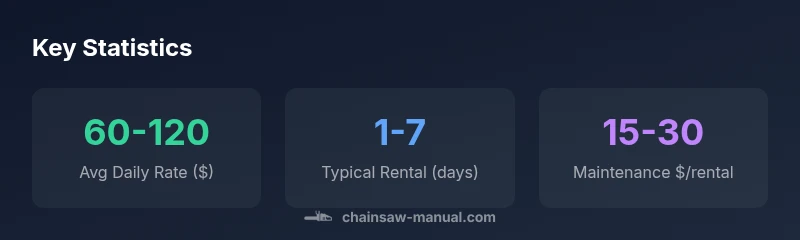
Key takeaway: Cement chainsaw rental should prioritize safety, suitability, and service quality. According to Chainsaw Manual, choose a reputable rental provider, verify the chain, bar, and guards are intact, and wear full PPE. Typical daily rental rates range from $60 to $120, with longer terms often discounted. Expect included safety briefings and basic operation guidance at pickup.
Understanding cement chainsaws vs masonry tools
Cement chainsaws are specialized cut-off tools designed to slice through concrete, masonry, and reinforced substrates. Unlike traditional wood-cutting chainsaws, these units use a robust chain with a broad cutting profile, optimized for hard materials rather than timber. When you rent a cement chainsaw, you’re typically getting a gas-powered or electric cut-off saw with a chain drive system, reinforced guard, and a water or dust-control setup. The rental market differentiates between models by power, bar length, and vibration management features. For homeowners and pros, the critical decision is ensuring the machine suits the concrete job at hand—small domestic slabs vs. large foundation pours—so you get predictable performance without excessive wear. Always verify the rental unit’s chain tension, bar wear, and general condition before committing to a long-term rental.
In many cases, rental listings use the term cement saw as a catch-all; however, the safer approach is to confirm the tool employs a chain for cutting rather than a diamond blade or abrasive wheel. This distinction affects maintenance routines, dust control, and the kind of PPE needed on site. From a safety perspective, never operate a cement chainsaw without proper guarding and a chain brake engaged when stationary. The Chainsaw Manual team emphasizes choosing equipment that aligns with your material type, desired cut depth, and site accessibility.
Rental readiness: aligning project scope with tool capability
Before you rent, map out the job scope in practical terms. Determine the concrete thickness, presence of rebar, access constraints, and any overhead hazards. Copy your measurements into a quick checklist: expected cut length, required depth, and the number of cuts per day. With cement cutting, accuracy and control matter, so select a model whose power and chain speed match your target material. For a small domestic project, a compact model with a shorter bar can reduce fatigue and maneuvering challenges. For commercial work, larger, more robust units can maintain consistent performance over multiple shifts. Consider rent duration and whether you’ll need a backup tool in case of refueling breaks or maintenance. This planning reduces downtime and helps you negotiate favorable rental terms or multi-day discounts.
Selecting a rental provider: reliability, support, and safety policies
A reliable rental partner should offer transparent terms, clear safety guidelines, and accessible support. Check for documented maintenance and a recent safety inspection on the unit, along with a straightforward return process. Ask about included PPE and whether the rental includes basic training or safety refreshers on pickup. Review the fuel policy, refueling expectations, and whether the fuel mix is supplied or your responsibility. Confirm that the unit has functioning chain brake, anti-kickback features, and a guard that remains secure during operation. The best providers also offer a quick-start guide or in-person demonstration focusing on mixing fuel (if applicable), starting, throttle control, and safe cutting angles. Prioritize providers with positive user reviews and clear damage waivers.
Inspecting and testing the tool at pickup: a practical checklist
At pickup, run through a structured inspection to minimize on-site surprises. Inspect the chain for nicks or stiff links, ensure proper lubrication, and verify tension when the bar is cool. Check the sprocket and drive links for wear indications, and confirm the bar is straight. Verify the chain catcher, trigger safety, and chain brake respond. Confirm the fuel mix (if gasoline), oil reservoir status, and that the cooling system is clear of debris. Test start the engine away from personnel, observe smooth acceleration, and listen for abnormal noises. Ensure the operator’s manual is present and that all safety stickers are legible. For wet cutting, confirm the water-cooling system is functional and that water supply lines are secure. Documentation of the inspection should be stored with the rental paperwork.
Safety gear and training you should expect
PPE is non-negotiable when using a cement chainsaw. Expect a full face shield, ANSI-rated eye protection, hearing protection with adequate decibels, chemical-resistant gloves, sturdy cut-resistant apparel, and steel-toed boots with good grip. Some setups require a hard hat and high-visibility vests for on-site work. Training should cover safe handling, stance, transfer techniques, kickback awareness, and emergency stop procedures. Operator training can dramatically reduce the risk of injury and equipment damage. If safety training isn’t offered, request materials and a walkthrough before proceeding. Chainsaw Manual’s stance is that safety education is a core service expectation from rental providers.
Operating tips for cement cutting: technique and dust control
When cutting concrete, maintain a steady, controlled motion with stable footing. Avoid aggressive starts; allow the tool to reach operating speed before contact with material. Keep the chain and bar aligned with the cut line, applying even pressure without forcing the tool. For dust mitigation, use water spray if the unit supports it, or pause to apply dust-controlling measures in dry environments. Maintain consistent lubrication and avoid overheating by taking short, planned cuts rather than long continuous passes. If the concrete contains rebar, use careful line-of-cut planning to avoid binding. Regular checks mid-job help maintain consistent depth and prevent blade or chain damage.
Maintenance and return: what rental terms mean in practice
Maintenance expectations vary by provider. Some rentals include basic maintenance, while others require you to handle routine checks, refueling, and cleaning. Always clarify who covers wear and tear, chain stretch, and bar replacement. On return, inspect the unit for damage and report any issues immediately to avoid disputes. Clean the tool and remove debris to prevent corrosion and grime buildup in cooling fins and guards. Retain the checklists, receipts, and any photos or videos of the tool’s condition at pickup and return. Transparent processes save time and protect both parties in case of damage waivers or security deposits.
Cost considerations: hidden fees and discount strategies
Renters should be aware of potential extra charges beyond the base daily rate. Common fees include fuel charges, delivery or pickup fees, late return penalties, and damage waivers. Ask for a written breakdown of all potential costs and request a cap on incidental charges. If you expect to rent for multiple days, negotiate a multi-day discount or a bundled maintenance package. Some providers offer loyalty programs or seasonal promotions. Always compare at least three quotes and verify that the terms align with your project timeline and safety requirements. A well-structured rental agreement reduces risk and improves overall project cost control.
Environmental and site considerations: footprint and compliance
Concrete cutting generates noise, dust, and vibration. Plan work during permitted hours and communicate with site stakeholders. Use dust suppression methods where possible, maintain proper containment to avoid debris migration, and comply with local noise ordinances. Ensure access routes and work areas are prepared to minimize fatigue and accidents. Proper storage of fuel and oil, and awareness of environmental guidelines around leaks, reduces risk. When you rent a cement chainsaw, verify that the equipment is compliant with local safety standards and that the rental provider emphasizes environmental responsibility as part of their service terms.
Common mistakes to avoid: practical lessons learned
Avoid overestimating cutting speed and attempting long, unsupported cuts that increase kickback risk. Do not neglect PPE, even for quick tasks, and never operate the tool without a clear escape path. Failing to inspect the unit or ignoring maintenance schedules leads to avoidable breakdowns. Skimping on safety briefings or bypassing the operator’s manual increases the chance of injury. Finally, failing to document tool condition at pickup and return can lead to disputes over damage or wear.
Comparison of cement cutting saw types used in rentals
| Machine Type | Power Source | Typical Runtime | Noise Level | Typical Use |
|---|---|---|---|---|
| Concrete cut-off saw (gas) | Gasoline engine | 2-6 hours per tank | 105-115 dB | Masonry and reinforced concrete |
| Concrete cut-off saw (electric) | Electric corded | 2-4 hours per charge | 85-95 dB | Dry/wet cutting in controlled spaces |
| Cordless concrete saw | Battery-electric | 1-2 hours | 85-95 dB | Light-duty cuts |
FAQ
What should I consider before renting a cement chainsaw?
Assess project scale, concrete depth, and access. Verify the tool’s chain integrity, lubrication, and safety features. Confirm warranty or damage waivers and the provider’s safety briefing policy.
Evaluate your project size, check the tool before renting, and ensure safety training is included.
Is cement chainsaw rental cheaper than buying?
Rental can be cost-effective for infrequent or short-term needs, avoiding maintenance and storage costs. For ongoing use, compare long-term rental rates with purchase, including insurance and depreciation.
Renting makes sense for occasional use; buying may be better for frequent, long-term projects.
What safety gear is mandatory when renting a cement chainsaw?
Expect a full-face shield, hearing protection, cut-resistant gloves, steel-toed boots, and high-visibility clothing. Some providers include PPE; others require you to bring your own.
Wear full PPE and comply with the provider’s safety requirements.
Can I rent a cement chainsaw for a weekend project?
Yes, many providers offer weekend or short-term rates. Check if there are minimum rental hours and potential weekend surcharges.
Yes, weekend rentals are common; verify minimum hours and any extra charges.
What happens if the tool breaks during use?
Notify the provider immediately and follow their troubleshooting steps. Most agreements cover accidental damage with a deductible; confirm the specifics upfront.
Tell the provider right away and follow their steps; know the damage coverage before you rent.
Are there environmental or local regulations I should know?
Yes. Noise, dust, and waste disposal rules vary by location. Coordinate with site managers and obtain any necessary permits before cutting.
Check local rules and coordinate with site managers before cutting.
“A well-chosen rental, paired with proper training and PPE, dramatically reduces risk on cement-cutting projects.”
The Essentials
- Assess project scope before rental
- Choose a reputable supplier with safety training
- Inspect tools thoroughly at pickup
- Adhere to PPE and safe-operation practices
- Factor in fuel, damage waivers, and downtime