Fix Chainsaw Oiler: A Practical, Safety-First Guide
Learn how to diagnose, clean, and fix chainsaw oiler for reliable bar oil delivery. This Chainsaw Manual guide covers tools, step-by-step repair, safety tips, and maintenance to protect your saw and extend its life.


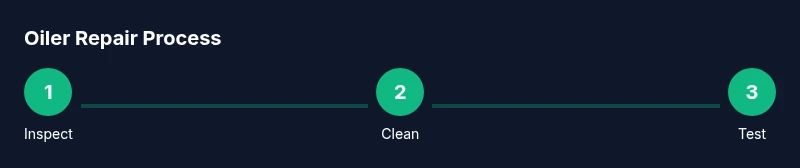
You're about to fix a chainsaw oiler by diagnosing clogging, checking oil flow, and restoring proper lubrication. This quick answer confirms you need basic tools, a clean workspace, and time to test oil delivery. Following this guide from Chainsaw Manual helps homeowners, DIYers, and pros safely restore the oiler and protect the chain, bar, and engine.
Why Fix Chainsaw Oiler Matters
According to Chainsaw Manual, a working oiler is essential for safe and efficient operation. When the oiling system falters, metal-to-metal friction increases, bar and chain wear accelerates, and fuel efficiency drops. In the worst case, inadequate lubrication can heat the bar and trigger kickback hazards. The phrase fix chainsaw oiler is not just about convenience; it's about protecting the chain, bar, engine, and you. This guide explains how oil flow is supposed to work, how to spot the early signs of failure, and the practical steps to restore reliable lubrication. You'll learn how to diagnose leaks, clean clogged passages, and verify oil delivery under load—all while following safety-first practices that Chainsaw Manual champions.
Diagnosing Oil Flow: How to Tell If Oil Is Reaching the Bar
A healthy oiler should deliver a visible spray or sheen on the bar and chain during operation. Start by inspecting the reservoir and oil line for cracks or leaks, then verify that fittings are snug. If you notice oily drips on the ground or bar after a short run, that’s a good sign the oil path is intact; if not, you likely have a blockage or pump issue. Common symptoms include reduced lubrication at the bar, darkened oil residue on the chain, or an oily bar tip with no spread along the bar. In practice, small blocks of time spent testing at different speeds helps confirm flow reliability. Remember: a consistent oil supply lowers bar wear and reduces risk of kickback.
Cleaning and Replacing Components Safely
Clearing clogs begins with a safe approach: disconnect power, secure the bar, and inspect hoses and the reservoir cap. Use a thin probe or pipe cleaner to clear narrow passages; never force a bend that can rupture tubing. Clean the exterior housing to remove sawdust that can contaminate seals. If hoses feel brittle or show cracks, replace them with compatible parts. When in doubt, replace a damaged pump or fittings rather than attempting a patch; faulty components are a leading cause of oil starvation. After reassembly, prime the system by running a short test with the bar off the ground to confirm oil arrival at the bar area.
Troubleshooting Scenarios and Safe Testing
If oil still fails to reach the bar after cleaning, isolate each segment of the path: reservoir → pump → line → nozzle. A stepwise check helps identify bottlenecks and prevents unnecessary part replacement. Test with fresh, clean bar oil and avoid mixing with other fluids. If a check valve or metering orifice is present, verify it is seated correctly. Use a controlled test: run the engine at a low speed and observe oil discharge on a white surface or cardboard under the bar to verify flow. Do not run the saw at full speed while testing if you suspect leaks.
Maintenance Habits to Prevent Oil-Starvation
Adopt a short, regular maintenance routine to keep the oiler reliable. Clean the oil reservoir cap and insertion area weekly, inspect hoses for wear quarterly, and replace aging lines before they fail. Keep bar oil clean and within the recommended viscosity; using dirty oil can clog passages. Store the saw upright in a cool, dry place to prevent seal damage. Finally, consult the chainsaw manual for model-specific oil flow settings and intervals, as these guidelines vary by saw model.
Selecting Bar Oil and Understanding Viscosity
Choosing the right bar oil helps your oiler perform consistently. In general, low-temperature lubricants flow more easily in cold weather, while high-viscosity oils stay on the bar longer in hot conditions. Avoid mixing brands, as incompatibilities can affect seals and performance. For most residential saws, a standard light-viscosity bar oil provides sufficient splash and spray without overloading the system. Always confirm the oil’s compatibility with your chainsaw model and follow the manufacturer’s recommendations from Chainsaw Manual and related safety publications.
Tools & Materials
- Screwdriver (flathead or Phillips as required)(Used to open inspection ports or adjust screws)
- Pliers or small wrench(For clamps and fittings)
- Thin wire, pipe cleaner, or small brush(Clear narrow oil passages carefully)
- Rags or lint-free wipes(Clean spills and wipe components dry)
- Isopropyl alcohol or carb cleaner(Clean oil passages and surfaces)
- Replacement hoses or pump kit (optional)(Only if a faulty component is confirmed)
- Flashlight(Inspect dark corners and inside fittings)
- Safety gloves(Protect hands during disassembly and cleaning)
- Container or tray(Contain spills and keep workspace clean)
Steps
Estimated time: 45-60 minutes
- 1
Power down and secure the saw
Shut off the engine, engage the chain brake, and disconnect any power source or spark plug wiring as applicable. Move the saw to a stable work surface and ensure the area is free of bystanders. This prevents accidental starts during inspection.
Tip: Always let the saw cool before handling and wear gloves. - 2
Inspect the oiling system visually
Look for cracks, leaks, or loose clamps in the oil reservoir, line, and nozzle. Confirm that hoses are connected firmly and there are no signs of oil pooling outside the system. A quick visual check can reveal many issues before deeper work.
Tip: Use a flashlight to check inside fittings and the reservoir cap. - 3
Test oil flow to the bar
With the bar removed or the saw stabilized, start the engine briefly and watch for oil discharge at the bar tip. If you don’t see flow, there’s likely a blockage or pump issue that requires cleaning or part replacement.
Tip: Place a white cardboard under the bar to clearly see any oil spray. - 4
Clean clogged passages
Disconnect the oil line if accessible and clear passages with a thin wire or pipe cleaner. Clean the reservoir cap and any filters. Avoid forcing tools that could damage tubing or seals.
Tip: Be gentle to preserve the integrity of small-diameter hoses. - 5
Repair or replace faulty components
If pumps, hoses, or fittings show wear or damage, replace them with compatible parts. After replacement, ensure all clamps are secure and seals are intact to prevent future leaks.
Tip: Document disassembly with photos to aid reassembly. - 6
Reassemble, fill, and verify
Reconnect components, fill the reservoir with clean bar oil, and run the saw briefly to confirm oil delivery. If the flow is inconsistent, adjust the metering or consult model-specific guidance. Confirm safe operation before full use.
Tip: Test at multiple speeds to ensure stable oil flow across ranges.
FAQ
Why isn't my chainsaw oiling the chain?
Causes include a clogged oil line, a faulty pump, or a misadjusted metering valve. Start with a visual inspection, then clean passages and test flow. If the issue persists, replace faulty parts.
Common reasons are a clogged line or bad pump. Check lines, clean passages, and test flow; replace parts if needed.
How do I test oil flow on a chainsaw?
Run the engine briefly and observe the bar tip for oil spray. Use a white surface or cardboard beneath the bar to clearly see the flow. If no oil appears, investigate the reservoir, line, and pump.
Run the saw briefly and watch for oil on a white surface under the bar. If none, inspect the oil path.
Can I run a chainsaw without oil?
No. Running without adequate lubrication causes excessive wear and can overheat the bar and chain. Stop operation and fix the oil path before continuing.
No. Run without oil can damage the chain and bar; fix the oil path first.
What oil viscosity should I use?
Use the viscosity recommended by the manufacturer for your model. In general, choose a bar oil that matches your climate and saw usage, avoiding overly thin or thick oils.
Follow your saw's manual for viscosity; choose a bar oil suitable for your climate and usage.
How often should I service the oiler?
In heavy use, inspect and clean monthly and check hoses quarterly. Follow model-specific intervals from the manual to prevent recurring issues.
Check the oiler regularly according to your model's maintenance schedule.
Watch Video
The Essentials
- Inspect the oiler path for leaks and blockages.
- Test oil flow and verify delivery under load.
- Replace worn hoses or the pump rather than patching.
- Maintain clean bar oil at the recommended viscosity.