Yardworks Chainsaw Safety: A Comprehensive Home Guide
Learn to safely select, operate, and maintain a yardworks chainsaw for pruning, storm cleanup, and yard projects. PPE, maintenance, step-by-step guidance, and safety tips included.


You will learn to safely operate and maintain a yardworks chainsaw for common yard tasks, with a clear step-by-step approach and essential safety checks. Expect guidance on PPE, setup, and basic maintenance. You will need PPE, a charged battery or fresh fuel, and a stable work area.
Yardwork Chainsaw Safety Foundations
Your yard projects often start with a yardworks chainsaw, but safety must drive every decision. Before you even grip the handle, map the work area. Clear the ground of trip hazards, stake or relocate bystanders, and identify potential kickback sources such as knots, uneven soil, or loaded branches. According to Chainsaw Manual, building a safety plan and using proper PPE dramatically reduces the risk of injuries on typical home projects. In practice, this means choosing the right job, maintaining a stable stance, and aligning your body to the cut. A well-lit work area and a level, solid surface for tool placement help you regain control quickly if the saw kicks back or the terrain shifts. Yardwork often involves overhead cutting, logs of varying size, and mixed weather conditions, so you must adjust your approach, never rush, and keep both hands on the tool whenever it is running. The goal is to complete tasks with precision, not speed, using a calm, deliberate rhythm.
PPE and Personal Safety for Yardworks Chainsaw
Personal protective equipment (PPE) is not optional gear—it's the first line of defense against common yardwork injuries. Always wear a helmet with a face shield, safety glasses, and hearing protection. Pair these with cut-resistant gloves, chain-saw chaps or pants, and steel-toe boots to protect legs and feet from accidental contact and falling debris. In wet or dusty conditions, high-visibility clothing helps others spot you. A simple checklist before every use includes tightening the chain, checking fuel/oil levels, testing the brakes, and ensuring the area is clear of people and pets. The goal is to minimize exposure to kickback, flying chips, and unstable footing. Chainsaw Manual emphasizes that PPE reduces injury severity even when a mishap occurs, so treat it as non-negotiable.
Choosing the Right Yardworks Chainsaw for Your Tasks
Not all yardworks chainsaws are created equal. For pruning and limb work, a lightweight electric model or a small-gas saw with a shorter bar often provides sufficient control and maneuverability. For storm cleanup and larger trees, a longer bar (12-16 inches) and a more powerful engine offer better cutting reach, while a properly balanced weight helps you maintain stance. Battery-powered models benefit from quiet operation and instant starts, but you must confirm battery availability and run-time for your typical projects. Consider bar type, chain pitch, and chain speed, as these affect cutting efficiency. Always select a tool appropriate for your strength, experience, and the project scale. Chainsaw Manual recommends starting with a smaller unit to build confidence before advancing to heavier tasks.
Maintenance Essentials: Daily Inspections and Care
Maintenance is the backbone of safe yardwork. Before each use, inspect the chain for dullness, tightness, and damage; lubricate with fresh bar-and-chain oil; and check the air filter. After work, wipe down the body to remove sap and sawdust, store fuel in a certified container away from heat, and inspect for loose screws or worn components. Regularly resharpen or replace the chain, and keep the bar rails clean to prevent friction that can cause kickback. The key is a routine that makes small issues obvious before they become costly failures. With consistent maintenance, your yardworks chainsaw performs reliably and safely across seasons.
Cutting Techniques for Pruning and Limbing
Effective pruning and limbing require deliberate positioning and cutting angles. Stand with your feet shoulder-width apart, the saw held close to your body, and the chain brake engaged until you’re ready to begin. Use smooth, controlled motions; avoid twisting your body to reach awkward angles. For branches under tension, work from the outside inward and always retreat to a safe stance after each cut. Debris should be managed to prevent tripping hazards and to keep the work area clear for your next move. Practicing proper cut sequences minimizes binding and reduces the likelihood of pinching the bar.
Planning, Kickback Prevention, and Safe Cutting
Kickback is a major risk with any chainsaw. Plan your work so you can pivot away from the cut instead of leaning into it. Keep the lower body behind the saw, maintain a firm grip with both hands, and avoid cutting with the tip of the bar near hard materials. Clear escape routes and never work above shoulder height without a solid height profile. When in doubt, take a step back, assess the load, and choose a safer approach. Pre-cut checks and a cautious pace dramatically reduce the odds of dangerous kickback incidents. Chainsaw Manual highlights that disciplined planning and consistent PPE use dramatically improve safety outcomes on yard projects.
Troubleshooting Common Problems and Quick Fixes
Even with careful planning, issues can arise. If the chain is dull or loose, stop and adjust it following the manufacturer’s guidelines. If the engine stalls or runs unevenly, check fuel, spark plug, and air intake while ensuring there is no obstruction on the bar. For kickback symptoms, inspect the configuration of your stance and the cut geometry. Never force a cut; back off and reassess the approach. Regular maintenance can help prevent many of these problems from occurring in the first place.
Project Workflow: From Prep to Safe Finish
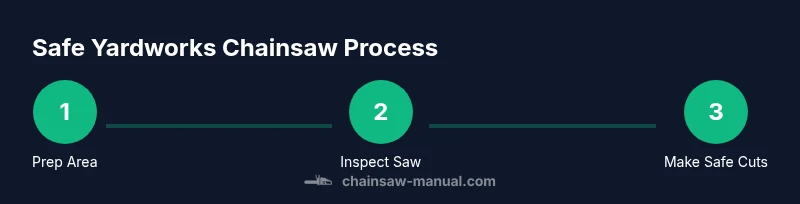
A structured project flow keeps yard tasks predictable and safe. Start with site assessment and PPE preparation, then move to saw setup and a cautious test cut in an inconspicuous area. Proceed with pruning, limb removal, or branch clearing using calculated cuts and stable footing. After each milestone, step back to evaluate the area, remove debris, and adjust your plan for the next phase. Finally, perform a post-work check, clean the tool, and store it in a secure, ventilated location away from heat sources. A well-planned workflow minimizes risk and maximizes efficiency on every yard project.
Tools & Materials
- Cut-resistant gloves(ANSI-rated; snug fit for dexterity)
- Hearing protection (earmuffs or plugs)(NRR appropriate for chainsaw use)
- Safety glasses or face shield(ANSI Z87.1 compliant)
- Hard hat with face shield(Impact-rated shell with crown protection)
- Chain saw chaps or cut-resistant pants(Enforces protective leg coverage)
- Steel-toe boots(Non-slip soles; tall shaft for ankle protection)
- High-visibility clothing(Bright colors to improve site visibility)
- Gasoline and 2-stroke oil mix (for gas saw)(Use the manufacturer's ratio)
- Bar-and-chain oil(Keep chain lubed throughout use)
- Spare chain and sharpening kit(Include file or sharpener, file gauge)
- Screws/wrench set (srench)(For routine tension adjustments)
- First aid kit(Include burn and wound supplies)
Steps
Estimated time: 2-4 hours
- 1
Prepare the work area
Survey the site for hazards, clear trip risks, and designate a safe perimeter. Ensure bystanders and pets are out of reach and form a plan for escape routes if a limb shifts during cutting. Check weather conditions and lighting to maintain consistent visibility.
Tip: Walk the area twice: once to plan cuts, once to ensure exit paths remain clear during execution. - 2
Inspect the saw and PPE
Prior to starting, inspect the chain tension, lubrication, bar rails, fuel/oil levels, and air intake. Verify PPE is intact and worn correctly. Address any loose hardware before starting the motor.
Tip: Test the brake and throttle response in a safe area before making any cuts. - 3
Start the saw safely
Use a proper starting stance, engage the chain brake, and follow the manufacturer’s cold-start procedure in a stable position. Keep your body to the side of the saw to help prevent injury if the chain reacts unexpectedly.
Tip: Never start with the saw on the ground; keep a firm grip and stance during startup. - 4
Make controlled pruning cuts
Begin with light cuts to assess wood density and determine the best angle. Use a full-bevel approach for clean cuts and avoid cutting from awkward angles. Pause between cuts to reassess body positioning.
Tip: Use a test cut in a nearby limb or branch to predict how the wood will behave before proceeding. - 5
Limb and prune with proper stance
Stand with feet shoulder-width apart, knees slightly bent, and hips aligned with the cut. Keep both hands on the saw and avoid twisting your wrists. Maintain a clear retreat path in case the limb shifts.
Tip: Work from your outside shoulder toward the trunk to minimize kickback potential. - 6
Plan and execute felling or bucking (if needed)
For larger limbs or trunks, plan the cut direction and create a hinge to guide the fall. Make relief cuts as needed to prevent binding, and always retreat to a safe zone once the cut is complete.
Tip: Do not cut above shoulder height; keep your stance low and stable. - 7
Cleanup and store
Brush away debris, inspect the chain again for wear, and wipe the saw dry. Refill oils if needed and secure the tool in a ventilated area away from heat sources. Store fuel in a proper container and away from ignition sources.
Tip: After use, run the saw briefly to distribute lubrication before storage. - 8
Post-work checks and routine maintenance
Check bar wear, chain tension, and overall tool condition. Schedule a sharpening or replacement if the cut quality deteriorates. Document any notable issues and plan a maintenance session before the next project.
Tip: Keep a small maintenance log to track chain wear and parts replacements.
FAQ
Is a yardworks chainsaw suitable for beginners?
Yes, with proper training, PPE, and start-up practice on small tasks. Begin with lighter pruning to build technique and confidence.
Yes, beginners can use a yardworks chainsaw safely if they train, wear PPE, and start with small pruning tasks.
What PPE is essential when using a yardworks chainsaw?
Essential PPE includes a helmet with face shield, eye protection, hearing protection, cut-resistant gloves, chainsaw chaps, and sturdy boots. Add high-visibility clothing for poor lighting conditions.
You need helmet with face shield, eye protection, hearing protection, cut-resistant gloves, chainsaw chaps, sturdy boots, and high-visibility clothing when appropriate.
Can I use an electric yardworks chainsaw in wet conditions?
Electric saws are generally safe in dry conditions but should not be used in standing water or heavy rain. If you must work in damp areas, ensure proper insulation and follow manufacturer guidelines.
Electric saws should not be used in standing water; follow the manual for damp conditions and safety.
How should I store a yardworks chainsaw after use?
Store in a cool, dry, ventilated place away from direct heat sources. Empty fuel or use stabilized fuel, clean the bar and chain, and perform light maintenance before storage.
Store in a dry, ventilated area and perform light maintenance before putting it away.
What maintenance should be performed after heavy use?
Inspect the chain and bar for wear, clean air filters, check tension, replace dull or damaged components, and lubricate thoroughly. Keep a maintenance log for future reference.
After heavy use, check the chain, bar, and filters, and lubricate the saw well.
What should I do if the chain becomes dull or tight?
Stop immediately, re-tension the chain if loosened, and sharpen or replace as needed. A dull chain increases the risk of kickback and reduces control.
If the chain is dull or tight, stop and fix it—sharpen or replace as needed.
Watch Video
The Essentials
- Prioritize PPE before every yard task.
- Choose the right saw and bar length for the job.
- Maintain the saw and inspect components daily.
- Plan cuts to prevent kickback and preserve control.
- Finish with safe storage and maintenance logs.