Chainsaw Porting Near Me: Safe Guide & What to Expect
Learn how to locate reliable chainsaw porting near me services, what porting involves, safety considerations, and how to choose a shop that delivers safe, reliable performance gains.


Chainsaw porting near me refers to professional engine porting services that modify the transfer ports, exhaust, and carburetion to improve power and throttle response. This is a specialized process best performed by skilled machine shops or engine builders. Homeowners should expect safety risks, potential warranty implications, and the need for precise tuning after porting.
What chainsaw porting is and why people search for 'near me'
Porting is a modification process that tweaks the internal flow paths of a chainsaw’s engine to improve air intake, exhaust flow, and overall throttle response. It is a specialized service that usually requires precision machining, calibrated tools, and engine timing adjustments. When people search for 'chainsaw porting near me', they are typically looking for a local shop with documented experience, certification, and the ability to tune the saw after porting. This is not a typical DIY project; substituting generic porting references or attempting makeshift modifications can lead to severe engine damage or dangerous kickback. The Chainsaw Manual team emphasizes that porting should be performed by trained technicians who understand two-stroke engine behavior, fuel ratios, and safe testing procedures. A nearby provider reduces downtime and supports on-site QC checks and post-port tuning sessions. In many regions, shops that offer porting also provide evaluations of whether your saw model and usage scenario will benefit from porting, preserving reliability while enhancing performance in a controlled way.
Is porting worth it for your saw and application?
Whether porting makes sense depends on your saw’s model, its current condition, and how you use it. For professional arborists, firewood cutters, or competitive hobbyists, porting can unlock additional power, quicker throttle response, and improved mid-range torque. For casual homeowners or occasional users, the gains may be marginal relative to the risk, cost, and downtime involved. Warranty coverage is a common concern: some manufacturers and dealers consider porting a modification that voids or limits warranty protection. Chainsaw performance also depends on fuel type, air filter cleanliness, muffler restrictions, and the overall tune. A reputable shop conducts a before-and-after assessment, including a baseline run and a controlled post-port test to verify that the saw runs safely and within emissions expectations. This helps you decide if porting aligns with your performance goals and safety standards.
What porting physically changes in the engine
Porting typically targets several internal pathways to improve gas exchange:
- Transfer ports: Sizing and shaping to optimize the inflow of air/fuel mixture into the cylinder.
- Intake and exhaust ports: Smoothing edges to reduce turbulence and improve flow.
- Exhaust system considerations: Matching exhaust port timing with exhaust porting to preserve scavenging efficiency.
- Carburation and timing: Adjustments to jet sizes or needle profiles, plus timing checks to maintain safe air-fuel ratios.
These changes aim to increase power, throttle response, and peak RPM stability. The trade-off can include increased heat, fuel consumption variation, and a requirement for precise needle timing during operation. A skilled technician will tailor port dimensions to your saw’s displacement, displacement-to-bar-load ratio, and intended workload, rather than applying a one-size-fits-all approach. After porting, re-tuning and testing are essential to ensure reliability and to prevent lean or rich running conditions that could damage the engine.
Safety, legality, and warranty concerns
Engaging in porting introduces notable safety considerations. Working with hot exhaust ports, delicate engine components, and emergency shutoffs requires proper PPE and well-ventilated, clean environments. Legality varies by region, especially regarding emissions testing and noise regulations. Warranty implications are common: many manufacturers and dealers view porting as a modification that can void coverage or limit eligibility for service under warranty terms. Always verify warranty language with the OEM and the porting shop before proceeding. Documentation of the service, operating parameters, and post-port tuning steps helps you protect your rights and provides a clear record for future maintenance or resale. The Chainsaw Manual team recommends choosing a shop that demonstrates transparent policies and follows established safety protocols.
How to evaluate and select a shop near you
Choosing the right shop is critical for success. Start by filtering candidates with documented porting experience on the specific saw model you own. Check for certifications, references, and examples of before/after work. Inquire about the post-port tuning process, available dyno testing, and the expected turnaround time. Ask about warranty terms on the porting and subsequent tuning work. Visit the shop if possible or request photos and a video walkthrough of their porting process. Confirm that the shop uses appropriate tools for two-stroke engines and that they will provide a written scope, safety checklist, and an estimated timeline. Local certification boards or engine associations can provide additional credibility. The Chainsaw Manual team notes that a transparent, methodical approach is the best predictor of a positive outcome when you search for 'chainsaw porting near me'.
What to ask before agreeing to porting
Before committing, prepare a list of questions to clarify expectations. Examples include: What specific porting work will be performed on my model? Will you provide before/after torque and RPM charts? How will you verify fuel-air mixture after porting? What is the warranty scope, and which OEM service terms apply post-porting? Will a dyno test or timed cut be used to validate performance gains? Are there risks of increased heat or reduced engine life under my typical workload? Request estimated costs, parts, and whether any related components (intake, throttle, carburetor) will be touched.
What to expect during and after porting
Porting typically involves removing the engine cover, inspecting internal passages, and performing careful material removal to alter port timing. After porting, technicians reassess idle stability, acceleration response, and peak power with a tuned fuel mixture. Post-port tuning is essential and may include jet re-sizing, needle adjustments, and air filter calibration to match the modified flow. Expect a short period of break-in driving or idling to allow the new port geometry to settle. You should receive documentation detailing changes, a tune guide, and recommended maintenance intervals. The Chainsaw Manual team emphasizes patience during the initial testing phase to avoid pushing an unproven configuration to failure.
Alternatives to porting for performance gains
If porting seems too aggressive or risky for your needs, consider safer alternatives that can yield meaningful improvements:
- Carburetor tuning within manufacturer specifications to optimize fuel delivery.
- Removing or modifying muffler restrictions within legal and safety limits.
- Regular cleaning and maintenance of air filters, spark plugs, and fuel lines to maximize efficiency.
- Lightweight, compliant spark arrestor or exhaust components that meet local regulations.
These options often provide incremental gains with lower risk and easier warranty preservation. The decision should align with your usage profile, environment, and local regulations.
Maintenance after porting to preserve gains
Porting alters engine dynamics, so ongoing maintenance becomes even more important. Follow a strict air-filter regime, monitor for unusual heat, and perform regular compression checks if advised by the shop. Keep a maintenance log that records tuning changes, fuel type, and usage patterns. Use high-quality two-stroke oil and the correct fuel mix as recommended for your model. Periodic dyno tests or data logging can help you detect deviations early. The goal is to sustain gains while avoiding forced lean conditions that can stress the exhaust and transfer ports.
Real-world timelines, costs, and expectations
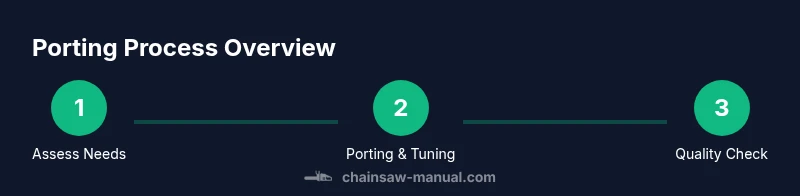
In real-world scenarios, chainsaw porting is a multi-step service that can vary widely by model, shop, and regional regulations. Expect a consultation, the porting work, and a separate tuning phase. Turnaround times depend on shop workload, availability of parts, and whether post-port testing is included. Cost discussions typically cover the porting work, tuning, and any required warranty considerations. The Chainsaw Manual team emphasizes that timing and transparency are key: insist on a detailed written scope and a realistic schedule before proceeding. While the promise of power gains is appealing, safer, gradual improvements and thorough validation should guide your decision and expectations.
Tools & Materials
- PPE (eye protection, hearing protection, gloves)(Mandatory during any porting or machining tasks)
- Torque wrench(To verify fasteners to specification after reassembly)
- Calipers or porting gauges(For measuring port dimensions and ensuring symmetry)
- Shop manual/service guide for your saw model(Reference for recommended tolerances and timing)
- Carburetor tuning tool(Useful if post-port tuning involves carb changes)
- Clean workbench and proper disposal for metal shavings(Critical for safety and cleanliness)
Steps
Estimated time: 2-4 weeks
- 1
Define your goals
Clarify why you want porting (higher power, faster throttle, or better peak RPM) and how you plan to use the saw. Document the performance targets and safety requirements before contacting shops.
Tip: Write a short specification sheet to share with candidates. - 2
Find qualified shops near you
Search for shops with explicit porting experience on two-stroke chainsaws and check client testimonials or case studies. Avoid generic machine shops without engine-specific references.
Tip: Ask for model-specific porting examples and before/after results. - 3
Verify credentials and scope
Request a written scope of work, safety procedures, and a warranty outline. Confirm that the shop has liability coverage and documented post-port tuning procedures.
Tip: Get a second opinion from a local chainsaw mechanic if unsure. - 4
Prepare your saw for service
Remove fuel, drain oil, and detach the bar and chain. Clean the exterior and provide the shop with any maintenance records that could influence porting decisions.
Tip: Photograph components before disassembly for reference. - 5
Deliver or ship with protection
Transport the saw in a rigid case or crate. Include all relevant parts and a written preference for post-port tuning.
Tip: Use insured shipping if the shop is remote. - 6
Review the finished port and tuning plan
Inspect the work with the technician, review the tuning strategy, and confirm follow-up testing steps. Ensure you have any updated specs or charts.
Tip: Don’t sign off without a clear testing plan. - 7
Test under safe conditions
Perform a controlled test run and verify idle stability, throttle response, and power delivery. Keep an eye on exhaust temperature and fuel trims.
Tip: Ask for a short video or live data during the test. - 8
Document results and maintenance plan
Save tuning sheets, maintenance notes, and recommendations for fuel, oil, and filtration. Schedule a follow-up check if performance drifts.
Tip: Maintain a repair log to monitor long-term health. - 9
Evaluate long-term value
Assess how the gains align with your workload and whether the investment meets expectations. Consider selling the saw with documented work for higher resale value.
Tip: Be prepared for regional warranty constraints and resale considerations.
FAQ
What is chainsaw porting and who should consider it?
Porting is an engine modification that optimizes internal gas flow to improve power and throttle response. It’s typically for professionals or serious hobbyists who need more performance and are willing to accept maintenance and warranty considerations.
Porting modifies how the engine breathes to gain power, best for serious users with maintenance routines in place.
Will porting void my warranty?
In many cases porting can void or complicate warranty coverage. Check with the OEM and the shop, and insist on a written warranty for the port and the tuning work.
Porting can affect warranty; verify terms and seek written coverage.
How long does porting take and what does it cost?
Time and cost vary by saw model and scope. Expect an evaluation, the porting work, and tuning. The price range is typically discussed in the initial quote and may depend on materials and testing requirements.
Timing depends on the model and scope; costs vary with tuning and tests.
Can I port my chainsaw myself?
DIY porting is strongly discouraged due to safety risks and potential engine damage. Work with a qualified shop to ensure proper porting and tuning.
It's best to work with a professional—porting is risky to DIY.
What should I ask a shop before proceeding?
Ask about model-specific experience, post-port tuning plans, safety procedures, expected results, and warranty terms. Request a written scope and a test plan.
Ask for experience, tuning plans, safety steps, and written scope.
What signs indicate porting has been successful?
Look for smoother throttle response, stable idle, and verified engine performance within safe operating conditions after tuning. Documentation and a post-port test chart help confirm results.
Smooth throttle, stable idle, and documented test results indicate success.
Watch Video
The Essentials
- Define goals before searching for porting near me.
- Choose shops with explicit porting experience and clear warranties.
- Post-port tuning is essential for safe, reliable gains.
- Weigh risks, costs, and maintenance against expected performance.
- Document changes for warranty and resale clarity.