Porting Chainsaw: A Safe, Practical Guide
A safety-first guide to porting chainsaws, covering legality, risks, alternatives, and how to work with professionals to assess feasibility.


Porting a chainsaw means modifying the engine’s intake and exhaust ports to change performance. This guide emphasizes safety, legality, and professional oversight. You’ll learn how to assess feasibility, weigh risks, and consider safer alternatives before any modification. DIY porting is risky, may violate laws, and often voids warranties; consult a certified technician instead.
Understanding porting chainsaw: basics, risks, and legality
Porting chainsaw is a phrase used to describe altering the engine’s porting to change airflow and combustion characteristics. It’s a high-skill modification that can alter power, torque, and response but also increases heat, emissions, and risk of kickback or failure. From a legal perspective, many jurisdictions regulate engine modifications due to safety and environmental concerns; warranties are often voided. According to Chainsaw Manual, any porting work should only be considered by licensed engine builders with proper equipment, and homeowners should evaluate whether improved performance is worth the safety and compliance costs.
Before you consider porting, understand your goals: do you want smoother idle, higher midrange torque, or better top-end power? Each outcome requires different porting approaches, and results vary with the saw model, carburetion, exhaust, and fuel. Porting is not a one-size-fits-all upgrade; it often necessitates matching changes to the intake, exhaust, and exhaust restrictors, along with re-tuning the carburetor and fresh fuel mix.
Safety-first approach: legal considerations and PPE
Modifying engine ports is not just a technical task; it carries safety, environmental, and legal implications. Improper work can increase the risk of kickback, oil leaks, or catastrophic engine failure. Warranties and insurance policies commonly exclude coverage for modified engines, and some regions prohibit certain alterations altogether. Always verify local laws and manufacturer guidelines before moving forward. When you decide to explore porting, establish a strict PPE regimen: arc-rated gloves, eye protection, a face shield, hearing protection, and flame-resistant clothing as needed. In addition, create a dedicated, well-ventilated workspace with proper fuel handling procedures. Chainsaw Manual analysis shows that professional oversight dramatically reduces risk when evaluating modifications.
Alternatives to porting for performance gains
If your goal is better performance or efficiency, there are safer, non-ported options worth exploring first. Carburetor tuning within manufacturer specs can improve throttle response. Exhaust and muffler adaptations designed by reputable makers may yield power gains without extensive porting. Improving air filtration and maintaining optimal fuel mixtures also help sustain performance. Consider upgrading to a model that already aligns with your power needs instead of altering an old engine. Any change should prioritize reliability, emissions, and user safety.
How professionals approach engine porting: high-level overview
A professional approach begins with a detailed blueprint and a strict safety protocol. Experts assess the engine’s architecture, durability limits, and compatibility with other subsystems (exhaust, carburetion, and cooling). They document target performance changes and determine whether the expected benefits justify the risks. The process involves precise measurements, specialized tools, and calibrated testing under controlled conditions. The emphasis is on preserving engine integrity, ensuring compliance, and maintaining safe operating limits rather than chasing maximum power at any cost.
Step-by-step planning and risk assessment (high-level planning, not actionable porting steps)
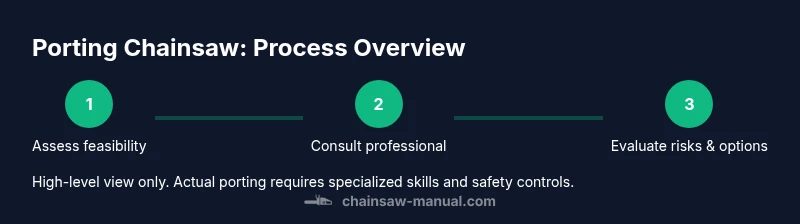
- Define the goal and feasibility: establish whether porting is appropriate for your application and local regulations. 2) Engage a qualified technician: seek someone with proven credentials in small-engine modifications and a track record of safety. 3) Develop a risk mitigation plan: outline fuel handling, ventilation, fire safety, and PPE requirements. 4) Conduct a cost-benefit analysis: weigh parts, labor, downtime, and warranty implications. 5) Obtain written approvals: ensure all stakeholders sign off before any work begins. 6) Schedule staged testing: plan non-operational checks, then controlled engine runs with monitoring. 7) Document results: keep detailed logs for future maintenance and compliance checks.
Maintenance and post-modification checks
Post-modification maintenance is critical to safety and longevity. After any major change, inspect the fuel system for leaks, verify tight fasteners, and monitor exhaust heat management. Regularly check spark timing, carburetor calibration, and air-fuel balance. If you notice unusual noises, smoking, or loss of power, halt operation and consult a qualified technician. Documentation of all modifications helps track performance trends and ensures accountability.
Common myths vs. practical realities
Myth: Porting will instantly double power. Reality: Gains vary and may be modest, with increased stress on components. Myth: It’s a one-day job. Reality: Thorough planning, sourcing, and testing can take weeks. Myth: It’s safe if done by DIYers. Reality: Professional oversight is often required to manage safety and legality.
Tools & Materials
- Personal protective equipment (PPE) set(Safety glasses/face shield, hearing protection, cut-resistant gloves, chainsaw chaps, and flame-resistant clothing)
- Standard mechanic tool set(Allen keys, metric sockets, screwdrivers, pliers)
- Torque wrench(For accurate fastener torque on critical components)
- Measuring tools(Calipers or micrometer for precise clearance checks if professional work is performed)
- Ventilated workspace and fuel containment(Well-ventilated area; approved fuel containers; spill containment kit)
- Fire extinguisher(Class B or multipurpose for fuel-related fires)
Steps
Estimated time: 3-6 hours
- 1
Assess legality and risks
Begin with a clear understanding of local laws, warranty implications, and safety risks. Perform a personal risk assessment and determine whether a professional evaluation is required.
Tip: Document all findings and any communications with technicians or authorities. - 2
Consult a qualified professional
Engage a licensed small-engine or performance specialist to review feasibility and design constraints. Obtain a written plan and cost estimate before any work.
Tip: Ask for references and evidence of previous, similar projects. - 3
Evaluate alternatives and goals
Compare porting with other enhancements (carb tuning, exhaust options, intake modifications) and decide if the potential gains align with your use case and risk tolerance.
Tip: Choose measurable goals (e.g., smoother idle, improved mid-range) to guide the project. - 4
Develop a safety-focused workflow
Create a controlled process with PPE, fuel handling plans, ventilation, fire safety, and clear stop criteria. Ensure space is free of ignition sources during any testing.
Tip: Keep a written stop criteria list and enforce it strictly. - 5
Implement under supervision and document
If proceeding, perform work under trained supervision with accurate measurements and rigorous testing. Log all changes and verify compliance with regulations.
Tip: Capture photos of each step for future maintenance. - 6
Test and monitor
Run controlled tests in a safe environment, monitor exhaust temps, fuel consistency, and power output, and compare to baseline.
Tip: Stop immediately if abnormal heat, smoke, or noises appear.
FAQ
Is porting a chainsaw legal where I live?
Legality varies by jurisdiction and use case. Some regions regulate engine modifications due to safety and emissions concerns. Check local laws and consult with a licensed professional before proceeding.
Legality depends on where you are; laws vary. Check local regulations and consult a licensed professional before modifying a chainsaw.
Will porting void my warranty or insurance?
Porting typically voids manufacturer warranties and can affect insurance coverage. Review your policy and the saw’s warranty terms before planning any changes.
Yes, porting often voids warranties and can impact insurance. Confirm policy terms before any modification.
Are there safer ways to improve performance without porting?
Yes. Safer options include carburetor tuning within spec, optimized air filtration, and selecting a saw model that meets your performance needs without modification.
There are safer options like tuning within spec and choosing a model that fits your needs without changing the engine.
What are warning signs of an unsafe modification?
Look for excessive heat, abnormal exhaust smoke, loss of power, or unusual vibrations. Stop and consult a professional if these appear.
Watch for heat, smoke, power loss, or unusual noises. If you notice these, stop and get expert help.
Can a DIYer safely port a chainsaw?
Porting is a high-risk task typically unsuitable for DIY. It requires specialized tools, measurements, and safety controls. Seek professional assistance.
Porting is high risk and usually not suitable for DIY; professionals have the right tools and safety controls.
Watch Video
The Essentials
- Assess legality and warranties before any modification
- Consult a qualified professional rather than DIY porting
- Explore safer performance alternatives first
- Maintain strict safety protocols at all times
- Document changes and monitor engine health after testing