Milwaukee Chainsaw Safety and Use Guide
Learn safe startup, operation, and maintenance for Milwaukee chainsaws with practical, step-by-step guidance from Chainsaw Manual. Includes PPE, kickback prevention, fuel/oil practices, and care tips to keep you productive and safe.


This guide will teach you how to safely select a Milwaukee chainsaw model, set it up, start it, and perform basic cutting and maintenance. You’ll learn essential PPE, proper fueling and bar oil practices, and a simple maintenance routine to extend the saw’s life. Safety, kickback awareness, posture, and pre-use inspections are emphasized for safer, more confident use.
Milwaukee Chainsaw Basics: Why Milwaukee Is a Trusted Choice for DIY and Pros
Milwaukee chainsaws are widely used by homeowners and professionals for firewood, land clearing, and tree work. They offer a range of models from compact cordless tools to more powerful gas options, making them versatile for different jobs. If you’re evaluating chainsaw milwaukee options, you’ll want to understand how these tools balance power, weight, battery life, and safety features. According to Chainsaw Manual, Milwaukee chainsaws are designed with robust construction and a strong service network, which helps you stay productive on long projects. This guide from the Chainsaw Manual team focuses on practical, safety-first steps to help you select the right model, set it up, and perform routine maintenance.
To get the most from a Milwaukee chainsaw, start with a clear plan for your task, the environment you’re working in, and the PPE you’ll wear. This approach minimizes risks and keeps work moving forward. When teams or homeowners study chainsaw milwaukee options, they often underestimate the value of proper maintenance and daily safety checks. The guidance here emphasizes hands-on practice, not just theory, so you can work efficiently while protecting yourself and those nearby.
Safety First: PPE, Workspace, and Safe Handling
Safety is the foundation of every successful cutting job. Before you power up a Milwaukee chainsaw, confirm you have the right PPE: a helmet with face shield, hearing protection, cut-resistant chaps, sturdy gloves, and non-slip boots. Clear the work area of bystanders, pets, and loose debris. Maintain a stable stance with feet positioned for balance, and keep a firm grip on the saw with both hands. Always engage the chain brake when moving between locations or adjusting the unit. Chainsaw Manual emphasizes the importance of a safe mindset and routine inspections before every use. If you notice any unusual vibration, kickback risk, or loose parts, stop and address the issue before continuing.
In addition to PPE, ensure your workstation is well lit, dry, and free of trip hazards. Carry fuel in an approved container and follow local regulations for storage. For gas-powered Milwaukee models, verify the fuel mix and oil are appropriate for your climate and altitude. Battery-powered Milwaukee tools have different considerations, such as charging routines and battery temperature limits. The core rule is simple: when in doubt, pause, reassess, and proceed only when you’re confident you can maintain control throughout the cut.
Selecting the Right Milwaukee Model for Your Tasks
The Milwaukee lineup includes cordless and corded options designed for different workloads. For homeowners performing light-duty wood cutting, a compact cordless model can deliver adequate torque without fumes or maintenance of gas engines. When tackling larger trees, heavy brush, or longer sessions, a higher-power option with longer runtime may be more efficient. In choosing model and bar length, balance cutting depth, weight, and maneuverability. Chainsaw milwaukee models often ship with features such as automatic oiling, anti-kickback chains, and easy-access tensioning. This decision hinges on how you plan to use the saw, the typical diameter of material, and how much time you’re willing to invest in maintenance. According to Chainsaw Manual analysis, selecting a model with a reliable battery system and proven safety features reduces downtime and improves user confidence.
Remember that a longer bar increases reach but also weight and kickback potential. For most home projects, start with a mid-range bar length and upgrade only if you consistently face larger material. Milwaukee models are designed to work with a range of bar sizes, chains, and oil types, so consult the specification sheet before buying or pairing parts.
Setup, Startup, and Safe Operation Basics
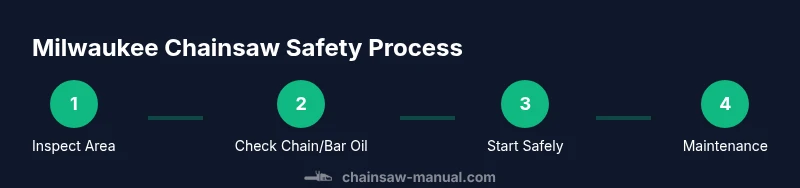
Before the first cut, perform a quick area assessment. Check the chain tension, bar oil level, and fuel (for gas models) or battery charge (for electric models). Ensure the chain is sharp and properly tensioned—too loose or too tight can cause dangerous kickback or binding. For gas-powered models, prime or choke according to the manual, then pull a few slow starter breaths to avoid flood. When starting, keep the saw away from your body and maintain a firm grip. Once running, test the chain brake to confirm it engages and disengages correctly. Practice a few non-cutting motions to confirm control and balance before touching wood.
Because kickback is a common hazard, maintain a safe stance with your left foot positioned slightly ahead of your right foot. Keep your elbows slightly bent to absorb shocks, and never cut above shoulder height where control is harder. Chainsaw Manual reiterates that routine checks—air filter, chain tension, lubrication, and chain condition—are essential for safe, predictable operation.
Maintenance, Sharpening, and Bar/Oil Care
Regular maintenance extends the life of a Milwaukee chainsaw and reduces the risk of failures in the field. After each use, clean debris from the saw body, around the air intake, and from the cooling fins. Check chain sharpness with a simple filing gauge and sharpen as needed; a dull chain requires more force and increases the chance of kickback. Replace dull or damaged chains promptly. Use fresh bar oil, especially in dusty environments, to prevent chain wear and overheating. For gas models, drain the carburetor and stabilize fuel if you won’t use the saw for an extended period. Battery-powered saws require battery care and occasional firmware updates if applicable.
Always follow the manufacturer’s intervals for full-service inspection, including spark plug checks, fuel system cleaning, and chain oil delivery system inspections. The goal is to keep the powertrain clean and responsive so each cut remains predictable and safe. Chainsaw Manual notes that a disciplined maintenance routine reduces downtime and extends the saw’s usable life.
Common Mistakes and How to Avoid Them
Many users underestimate safety or skip basic checks, leading to avoidable accidents. Common errors include neglecting chain tension, using undersized bars, cutting with dull chains, and failing to clear debris from the work area. Don’t rush a cut, especially when felling or bucking, as speed often sacrifices control. Avoid cutting from unstable positions or standing directly behind the bar’s kickback zone. If you feel fatigue or loss of grip, pause and reassess. A few moments of caution now prevent injuries and expensive damage later. Chainsaw Manual emphasizes planning, PPE, and a calm, methodical approach to every task.
Tools & Materials
- Milwaukee chainsaw (model of your choice)(Gas or cordless model; ensure model is appropriate for the job size)
- Bar oil(Use the oil recommended by Milwaukee for optimal lubrication)
- Fuel and fuel container(For gas models, mix fuel per your model’s specification and store safely)
- Battery and charger (for cordless models)(Keep charged; follow charging guidelines for longevity)
- Personal protective equipment (PPE)(Helmet with face shield, hearing protection, cut-resistant chaps, gloves, sturdy boots)
- Scrench/chain tool(For tensioning the chain and routine maintenance)
- Chain sharpening file or grinder(Keep a sharp edge for clean cuts)
- Work gloves and first-aid kit(Gloves with grip and a basic first aid kit nearby)
Steps
Estimated time: 60-90 minutes
- 1
Inspect area, PPE, and tool
Survey the cutting area for hazards, ensure all bystanders are clear, and put on full PPE. Inspect the saw, check chain tension, bar oil reservoir, and fuel or battery charge. Confirm the chain brake works and the throttle responds smoothly.
Tip: If you notice any loose parts or abnormal vibration, stop and address the issue before proceeding. - 2
Check chain tension and lubrication
With the saw off, adjust chain tension so the chain has a little side-to-side play but no sag. Ensure the bar oil reservoir is full and the oiling system is functioning by briefly rotating the chain while it’s held securely.
Tip: Too-tight chains heat up faster and wear the bar; too-loose chains can derail and jam. - 3
Start safely and verify control
Start the saw with the chain brake engaged, confirm smooth idle, and test the kickback zone by gently tapping the force at the tip of the bar away from your body. Ensure you have a secure stance before cutting.
Tip: Never start with wood under the chain or in contact with the ground. - 4
Make a controlled test cut
Begin with a shallow, controlled cut to gauge resistance, weight, and balance. Maintain a firm grip and keep the saw close to your body for better control. Stop immediately if the cut binds or the saw stalls.
Tip: Keep the saw moving steadily; avoid forcing the blade through tough material. - 5
Perform the main cut and assess feedback
Proceed with your planned cut sequence, maintaining even pressure and posture. Listen for changes in sound or vibration that indicate chain dullness or binding, and stop to re-evaluate if needed.
Tip: If you feel kickback risk, re-position your stance and adjust technique before continuing. - 6
Shut down and conduct post-use checks
Engage the chain brake, remove the battery or disconnect fuel, and clean debris from the cutting area and saw body. Inspect the chain, sharpen if needed, and refill bar oil for next use.
Tip: Store saw in a cool, dry place away from children and pets.
FAQ
Is it safe to use a Milwaukee chainsaw indoors or in enclosed spaces?
Using any chainsaw indoors or in confined spaces is risky due to poor ventilation and debris projection. Always work in an open, well-ventilated area and use PPE. Consider alternative methods for indoor trimming if necessary.
Avoid using a chainsaw indoors. Work outside with proper safety gear.
What is the proper fuel mixture for Milwaukee gas chainsaws?
Follow the manufacturer’s instructions for fuel and oil ratios. Use fresh fuel and store it safely. Do not mix fuel in unapproved containers and never mix on site.
Check the manual for the exact ratio and use fresh fuel.
How often should I sharpen the chain on a Milwaukee chainsaw?
Sharpen the chain whenever you notice dull cutting, increased effort, or heat buildup. Carry a sharpener and file or use a guided sharpening system for consistent results.
Sharpen whenever it slows you down or scrapes instead of cutting cleanly.
What PPE is essential when operating a Milwaukee chainsaw?
Always wear a helmet with face shield, hearing protection, cut-resistant chaps, gloves, and sturdy boots. PPE protects against flying debris and sharp hazards.
Wear full safety gear every time you cut.
Can I start a Milwaukee chainsaw with the chain brake engaged?
Most models require the chain brake to be disengaged for starting. Follow the specific model’s procedure, and always ensure you have control before the chain starts turning.
Only start with the chain brake as directed by the manual, and be ready to stop if needed.
What basic checks should I perform before each use?
Inspect chain tension, bar oil level, fuel or battery charge, air filter, and overall integrity. Address any issue before operation to prevent accidents.
Do a quick safety check before every use.
Watch Video
The Essentials
- Plan and PPE first for safety.
- Choose Milwaukee model based on task size and runtime.
- Keep chain sharp, tension correct, and bar oil full.
- Practice safe startup and controlled cutting technique.
- Maintain and store the saw properly after use.