The Complete How-To Guide for Using a Chain Saw Safely
Learn safe, practical steps for selecting, starting, operating, maintaining, and storing a chain saw. This guide covers PPE, kickback prevention, and essential maintenance for homeowners and professionals.


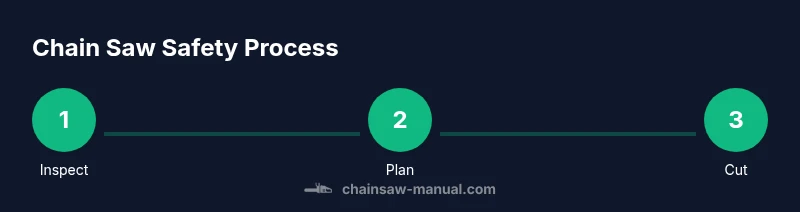
You will learn a comprehensive, step-by-step process to select, inspect, start, operate, and maintain a chain saw safely. This guide emphasizes PPE, proper stance, cutting techniques, kickback prevention, and routine maintenance. Follow these steps to complete wood-cutting tasks with reduced risk and greater control.
Why Safety Is Non-Negotiable When Using a Chain Saw
A chain saw is a powerful, potentially dangerous tool used for tree work, lumber, and firewood. Working with a chain saw requires deliberate attention to posture, grip, kickback avoidance, and personal protection. According to Chainsaw Manual, safety-first practices are essential when operating any chain saw. This means planning every task, checking your gear, and following a routine that minimizes risk before you start cutting. In this article, you’ll learn why safety matters, how to build a guardrail of habits around your work, and what basic controls you should master before the first cut. By embracing a safety-first mindset, homeowners, DIY enthusiasts, and professionals can prevent injuries, protect property, and complete tasks more efficiently. The content that follows translates professional best practices into practical, real-world steps you can apply on a weekend project or a demanding job. You’ll also find checklists, step-by-step instructions, and warnings designed to keep you out of harm’s way while working with this powerful tool. Before you pick up the bar and chain, take a moment to review your plan, your PPE, and your surroundings. This foundation helps reduce kickback risk, control direction, and maintain balance. Fatigue and distraction are common precursors to accidents; plan breaks and stay alert.
Understanding Your Chain Saw: Key Parts and Terminology
Understanding the main parts of a chain saw helps you diagnose issues quickly and cut more safely. Key components include the guide bar, chain, chain pitch and gauge, clutch, sprocket, air filter, spark plug, fuel tank, and the chain brake. The chain is a loop of cutting teeth driven around the bar by the clutch. The bar length determines cutting depth and leverage. A properly tensioned chain runs smoothly, reducing the chance of derailment. Anti-vibration handles, a front hand guard, and a chain brake are essential safety features that help you control the tool during difficult cuts. Familiarize yourself with how the engine mixes fuel and oil in a two-stroke design, since incorrect mixtures can stall the saw or cause dangerous emissions. Knowing these parts helps you perform preventative maintenance and plan safer operations on real-world jobs.
PPE and Safe Work Practices
Personal protective equipment (PPE) is your first line of defense. Always wear a helmet with a face shield, hearing protection, cut-resistant chaps or pants, sturdy gloves, and non-slip boots with good ankle support. A high-visibility shirt helps others spot you in wooded areas. Loose clothing or jewelry can catch the chain, so keep clothing tight and secure. Establish a clear work zone, with a planned escape route and a stationary stance that minimizes the risk of being pulled into the cut. Maintain a calm, deliberate rhythm: rushing increases errors and the likelihood of injury. If you work with a partner, agree on signals and communication before you begin. Chainsaw maintenance and PPE are not optional extras; they are essential to safe progress on any job.
Pre-Use Inspection and Maintenance
Before starting, perform a routine inspection: check chain tension, inspect the bar for wear, and ensure the chain is sharp and free of cracks. Look for oil leaks, fuel color changes, and signs of overheating. Check the chain brake, throttle lock, and start-stop switch for proper operation. Make sure the air filter is clean and the spark plug is in good condition. Verify you have adequate bar oil and fresh fuel if using a two-stroke engine. Clean the air passages and remove debris from the cooling fins to prevent overheating. A thorough pre-use check saves time later and greatly improves control during cutting.
Safe Starting, Cutting Techniques, and Kickback Prevention
Safe starting means starting the saw away from your body, with the chain brake engaged and the bar away from you. Stand on stable ground with feet shoulder-width apart and your weight balanced. Hold the saw with both hands, left hand on the front handle and right hand on the rear handle, with a firm but comfortable grip. Start the engine with the chain brake engaged, and allow the saw to reach idle before removing the brake for a controlled cut. Use two-handed control, keep the bar close to the ground when not cutting, and never cut with the tip of the bar—this is a common kickback zone. For many tasks, saws should be started on the ground or resting against a stable surface. Maintain a clear escape path and work with a partner when possible for additional safety support.
Cutting Techniques for Efficiency and Safety
Adopt proper cutting techniques to minimize stress on the saw and reduce the risk of injury. Use a stance that places your weight on your back leg and keep your knees slightly bent for balance. Plan each cut to ensure you have a predictable escape route and place wedges in the kerf if necessary to guide the cut or prevent a bar pinching. When felling, notch the tree on the side you intend to fall toward, then make the back cut from the opposite side, leaving a hinge for controlled fall. Use the 3-point rule: eyes, ears, and feet aware of the cutting zone at all times. Do not lean your body into the cut; instead, move with the saw and adjust your stance as the wood yields. Kickback prevention is a continuous practice, not a one-time check.
Maintenance Schedule and Fuel Management
A consistent maintenance routine extends the life of your chain saw and keeps it predictable. Clean the saw after each use to remove sap, resin, and wood dust that can clog the cooling system. Check chain tension and sharpen or replace dull teeth as needed; dull teeth require more force and increase kickback risk. Replace or clean air filters regularly, and inspect the muffler and spark plug for wear. For two-stroke engines, mix fuel according to manufacturer guidelines and use fresh fuel to avoid varnish buildup. Refill bar oil to ensure smoother operation and reduced wear on the chain. When possible, schedule a professional service every year or after a heavy workload. Short, frequent maintenance sessions beat long, sporadic work on a failing saw. Chainsaw Manual analysis shows that routine inspections and proper PPE dramatically reduce risk.
Transport, Storage, and Environmental Considerations
Transport the saw in a safe position, chain cover in place, and the bar away from your body. Use a sturdy carry case or a vehicle mount with proper padding to prevent rolling. When storing, drain fuel if you anticipate extended downtime and store the saw upright in a dry, ventilated area away from heat sources. Remove the spark plug cap if storing for an extended period to prevent accidental starts. Keep fuel away from children and pets, and never transport a hot saw in a bag that can trap fumes. Consider environmental conditions—avoid carrying if snow or ice could compromise control, and always be mindful of weather-driven hazards such as gusts that could cause unexpected slips.
Troubleshooting Common Issues and When to Seek Help
Common issues include chain dullness, poor starting, unusual exhaust smoke, and chain derailment. If the chain is dull, sharpen with the appropriate file or replace it. If the saw refuses to start after basic checks, consult the manual and confirm fuel mix ratios. For overheating or unusual noises, stop cutting immediately and inspect the cooling system, exhaust, and spark plug. When in doubt, seek help from a qualified technician or a more experienced operator. Do not operate a saw that vibrates excessively, pulls to one side, or produces unusual smells. Early intervention prevents costly damage and safety risks. The Chainsaw Manual team recommends reaching out to professionals for persistent problems.
Real-World Checklist and Quick Reference
Use this quick reference to reinforce safe habits. Always wear PPE, perform a pre-use check, maintain proper chain tension, and execute each cut with a planned escape route. Keep your body off the line of the wood and avoid overreaching. Practice in a safe area before tackling tougher jobs. Regular maintenance and ongoing education are essential to long-term safety and efficiency.
Tools & Materials
- Chain saw with two-stroke engine or electric motor(Choose a model with a chain brake and anti-vibration features)
- Personal protective equipment (PPE)(Helmet with face shield, hearing protection, cut-resistant chaps, gloves, boots)
- Bar oil(Use fresh oil rated for saws; check level before each use)
- Two-stroke fuel mix (gas saw)(Follow manufacturer ratio; mix fresh fuel)
- Spare chain and sharpening file(Keep sharp; dull teeth increase kickback risk)
- Screwdriver, scrench, or combination tool(For adjusting chain tension and bar screws)
- Wedges for felling and kerf guidance(Useful for trunk management)
- First aid kit(Basic trauma supplies for minor injuries)
- Fire extinguisher or containment plan(Keep nearby in dry conditions)
- Rope or strap for securing branches(Helpful for large limb control)
- Fuel container and funnel(Safe transport and refueling away from ignition sources)
- Clear workspace markers or tape(Identify hazards and escape routes)
Steps
Estimated time: 60-120 minutes
- 1
Inspect the work area and plan cuts
Survey the site for hazards, check escape routes, and plan each cut. Determine direction of fall and identify people or pets who should stay clear. Visualize the task before starting to reduce surprises during the cut.
Tip: Walk the area slowly; look for hidden nails, rocks, or unstable ground within a 10-meter radius. - 2
Put on PPE and secure the workspace
Don your helmet, face shield, hearing protection, gloves, and cut-resistant chaps. Tighten boots and ensure clothing is not loose. Establish clear communication if others are present in the area.
Tip: Verify PPE fits properly; a loose face shield or misfitting gloves can impair performance or safety. - 3
Check chain tension and bar condition
With the saw off, ensure the chain is snug but can be moved by hand. Inspect the bar for wear and burrs, and replace the chain if damaged. Clean debris from the bar groove and lubrication channels.
Tip: A loose chain can derail; a tight chain can stall the engine—adjust until it just stops pulling by gravity. - 4
Fill bar oil and fuel correctly
Replenish bar oil to the proper level. If using a two-stroke engine, mix fuel and oil following the manufacturer’s ratio using fresh gasoline. Do not mix more fuel than you will use in a day to avoid varnish buildup.
Tip: Use fresh fuel; old fuel can cause hard starting and poor performance. - 5
Engage the chain brake and start safely
Engage the chain brake before starting to prevent the chain from moving accidentally. Start the engine on a flat surface or against a stable fixed object with the bar away from your body.
Tip: Keep one hand on the front handle and the other on the rear handle to maintain control during start. - 6
Adopt a stable stance and grip
Stand with feet shoulder-width apart, knees slightly bent, and weight evenly distributed. Grip firmly with both hands, keeping elbows slightly bent to absorb vibration.
Tip: Your posture should enable a quick retreat path if the wood shifts unexpectedly. - 7
Make controlled cuts with the correct technique
Begin with a light, controlled cut near the ground to test resistance. Use two-handed control and avoid cutting with the tip of the bar. Maintain constant pace rather than forcing the saw.
Tip: Let the saw do the work; forcing cuts increases heat and can cause kickback. - 8
Use kerf guidance and wedges as needed
For larger sections or when a trunk binds, use wedges to keep the kerf open and prevent pinching. Plan each notch and cut to reduce stress and control the fall path.
Tip: Wedges prevent closing kerfs that could trap the bar. - 9
Monitor the engine, exhaust, and chain during use
Watch for odd noises, overheating, or smoking that could indicate trouble. Stop if you notice any change in performance and inspect before continuing.
Tip: If you smell burned oil or see white exhaust, inspect the air filter and fuel mix. - 10
Proceed with multi-step cuts and retreat as needed
Cut in stages if necessary to keep the line controlled. Step back after each major cut to re-evaluate hazards and ensure the path is clear.
Tip: Always have an exit path planned before advancing to the next stage of the cut. - 11
Turn off the saw and secure it after use
Engage the chain brake, allow the chain to stop, then move the saw to a safe location. Let the engine cool before refueling or storage.
Tip: Cool-down reduces the risk of ignition from hot components. - 12
Clean, refuel, and store properly
Wipe away debris, check for wear, and store in a dry location. Drain fuel if you won’t use the saw for several weeks, or fill to the recommended level for continued use.
Tip: Store with the chain cover attached to prevent accidental contact.
FAQ
What PPE should I wear when using a chain saw?
Always wear a helmet with a face shield, hearing protection, cut-resistant pants, gloves, and sturdy boots. PPE reduces injury severity and helps you maintain control during cutting.
Wear the full PPE set before starting, and keep it on throughout the job.
What is kickback and how can I prevent it?
Kickback occurs when the nose of the bar catches on wood, causing the saw to move toward you. Prevent by maintaining a firm two-handed grip, using the chain brake, avoiding contact with the tip of the bar, and planning cuts to avoid binding.
Avoid the bar tip and keep two hands on the saw to prevent kickback.
How do I properly start a chain saw?
Place the saw on a stable surface, engage the chain brake, grip correctly, and start according to the manufacturer’s instructions. Let the engine warm up before removing the brake and beginning a cut.
Start safely with the chain brake on and the bar away from you.
How often should I sharpen the chain?
Check chain sharpness after every session and sharpen or replace teeth as needed. Dull teeth require more force and raise risk of slips or kickback.
Keep the chain sharp; dull teeth are a common safety risk.
What maintenance tasks are essential after use?
Clean the saw, inspect for wear, check chain tension, and refill bar oil. Allow the engine to cool before storage and ensure fuel is fresh for next use.
Clean, inspect, and refuel properly after each job.
Can I store a chain saw with fuel in it?
If storing for more than a few weeks, drain fuel or use a stabilizer and store in a dry place away from heat. Never store a hot saw in contact with fuel.
Drain or stabilize fuel for long-term storage and store safely.
Watch Video
The Essentials
- Wear full PPE before any operation
- Inspect chain tension and bar condition daily
- Plan every cut and maintain a safe escape route
- Use two-handed control and avoid cutting with the bar tip
- Follow maintenance and storage best practices for longevity