How to Make Chainsaw Safety: A Practical Guide
Learn how to make chainsaw safety a priority with step-by-step guidance on pre-use checks, PPE, maintenance, and safe cutting techniques from Chainsaw Manual.


Goal: Learn how to make chainsaw use safer by focusing on essential safety checks, proper PPE, and sound operating techniques. This guide covers pre-use inspections, safe starting, cutting techniques, maintenance routines, and transport practices to minimize risk. You’ll know exactly what tools and protective gear you need before you begin, plus how to avoid common hazards.
Why safety-first approach matters
According to Chainsaw Manual, safety must drive every task from planning to post-use maintenance. In this guide about how to make chainsaw operation safer, we cover practical habits, protective equipment, and disciplined routines that reduce the risk of kickback, lacerations, and inhalation of sawdust. We emphasize that a chainsaw is a powerful tool when used correctly, but dangerous when rushed or improvised. Homeowners, DIY enthusiasts, and professionals all benefit from a safety-first mindset. Chainsaw Manual's analysis shows that consistent PPE, proper handling, and clear cut plans correlate with fewer injuries over time. The initial step is to commit to a safe workflow, not a single trick. This section lays the foundation: plan your work, inspect your gear, and set realistic expectations for what you can safely accomplish in a session. We’ll outline the core principles that keep your team and bystanders protected, from gear to environment and timing. By prioritizing training and preparation, you reduce the chance that a routine task becomes a hazard rather than a productive job.
The scope of this guide
This guide focuses on safe, practical practices for using and maintaining a chainsaw safely. It does not provide instructions on building or modifying a chainsaw from raw parts, which can be dangerous and is not advised for non-professionals. Instead, you’ll learn how to plan tasks, select appropriate PPE, perform routine maintenance, and execute safe cutting techniques. The knowledge here is applicable to homeowners tackling yard work, DIY enthusiasts cutting firewood, and professionals who rely on precise, predictable performance. Expect clear, actionable steps and examples drawn from real-world use, backed by safety guidelines and industry best practices.
Key safety equipment you should wear
Protective gear is non-negotiable. A compliant helmet with a face shield, hearing protection, cut-resistant chainsaw chaps or pants, durable gloves, and sturdy boots reduce the risk of serious injury. Additional items like a high-visibility vest, a first-aid kit, and a fire extinguisher are wise to have on hand in larger jobs. This section also covers sizing, fit, and comfort to ensure you actually wear gear correctly. Threads, seams, and fastenings should not interfere with control of the saw. Chainsaw Manual's team emphasizes that equipment must be in good condition and rated for chainsaw work.
Pre-use inspection checklist
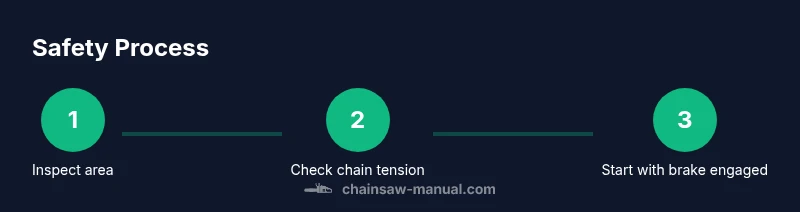
Begin every session with a thorough check: verify fuel and bar oil levels, inspect the chain for dullness or damage, test the chain brake, and examine the bar for wear. Ensure the air filter is clean, the spark plug is healthy, and that the chain tension is correct. A loose chain can derail your cut, while a tight chain risks sensor-like binding. Do not ignore even small signs of wear. This preventative step saves time and reduces the chance of accidents during felling or limbing tasks.
Safe starting and handling practices
Prepare the area by clearing bystanders and obstacles. With the engine off, engage the chain brake, then start the saw using the correct technique (usually on the ground or with the saw hung securely). Keep a solid, balanced stance and grip with both hands. Do not operate the saw above shoulder height, and never reach across your body to cut. If the saw kicks, step back slowly and regain control. Proper starting and handling decrease the likelihood of kickback and loss of control.
Safe cutting techniques and posture
Maintain a stable stance, keep your left foot forward, and use the chain brake for repositioning. Keep the bar and chain at or below waist height whenever possible. Never cut directly over your head. Plan each cut to avoid binding, and be mindful of kickback zones near the nose of the bar. Use thoughtful, deliberate motions rather than forceful swipes, and always ensure the area behind the cut is clear.
Maintenance routines to extend life and safety
A well-maintained chainsaw is inherently safer. Create a routine: clean the air filter, lubricate the bar and chain, sharpen the chain when dull, and replace worn parts promptly. Follow the manufacturer’s intervals and use recommended oils and fuels. Check brackets, screws, and anti-vibration mounts for looseness. Regular maintenance reduces unexpected failures and keeps performance predictable.
Transport, storage, and refueling safety
Cool the engine before refueling and use approved fuel containers. Transport the saw with the chain brake engaged and the bar covered or in a protective case. Store the tool in a dry, ventilated area away from heat sources and children. If you must transport logs or debris, secure the saw and maintain a clear path. Refueling should occur away from ignition sources and on a flat, stable surface.
Avoiding common mistakes and hazards
Common mistakes include rushing a cut, ignoring kickback risk, using a dull chain, and neglecting PPE. Always evaluate the work area for hazards such as hidden nails, loose bark, and unstable ground. Do not use a chainsaw in poor weather conditions or when fatigued. A calm, focused mindset paired with deliberate movements reduces the chance of accidents.
How to teach others about chainsaw safety
Training others requires clear demonstrations, repeated practice, and safety reinforcement. Start with covering PPE, area control, and the step-by-step inspection routine. Use simple, memorable cues and provide hands-on supervised practice to build confidence while mitigating risk.
How to choose the right chainsaw for your needs
When selecting a chainsaw, consider task scale, power source (gas vs electric), weight, and ergonomic design. For household yard work, a lighter, well-balanced model with a responsive chain brake is ideal, while professionals may need higher power and longer bars. Remember, a safer choice is often a model with built-in safety features and straightforward maintenance.
When to seek professional service
If you notice persistent unusual vibrations, excessive smoke, starting difficulties, or visible damage to the bar or chain, stop using the saw and seek professional service. Do not attempt major repairs unless you have the proper training and tools. A professional technician can evaluate safety-critical components and prevent failures. The Chainsaw Manual team recommends treating safety as a permanent habit rather than a one-off precaution.
Tools & Materials
- PPE set (helmet with face shield, hearing protection, cut-resistant chaps, gloves, boots)(Ensure each item is ANSI/OSHA compliant and properly fitted)
- First-aid kit(Keep within reach of working area)
- Fuel and bar oil(Use manufacturer-recommended oil type and fuel mix)
- Chain sharpening file or rotary grinder(Keep chain sharp for safe cutting)
- Screwdriver and wrench set (scrench)(For chain tension and routine maintenance)
- Bar and chain oil reservoir care tools(Check level before use)
- Fire extinguisher (optional but recommended for larger jobs)(Keep within reach during maintenance tasks)
- Cleaning brushes and rags(Clean after every use to maintain performance)
- Storage case or scabbard(Protect chain and prevent accidents when not in use)
Steps
Estimated time: 60-90 minutes
- 1
Prepare workspace and PPE
Clear the area of bystanders and obstacles. Put on complete PPE and inspect gear for wear before touching the saw.
Tip: If PPE feels loose or uncomfortable, adjust before starting. - 2
Inspect equipment and environment
Check chain condition, tension, bar wear, fuel/oil levels, and safety features like the chain brake.
Tip: A small sign of wear can escalate into a safety risk—don’t skip this step. - 3
Secure fuel, oil, and lubrication
Fill fuel and bar oil in a well-ventilated area and away from ignition sources. Wipe spills and cap containers securely.
Tip: Never mix fuel near open flame. - 4
Check chain tension and lubrication
Tension should have slight give by hand; chain should turn freely without sagging. Lubricate and clean guide bar if needed.
Tip: A tight chain increases wear and heat; adjust gradually. - 5
Engage chain brake and start safely
With the chain brake engaged, start the saw according to the manufacturer’s method on a stable surface.
Tip: Keep the bar away from your body during start. - 6
Adopt a safe stance and grip
Stand with feet planted, body slightly to the side, and both hands on the saw. Keep the bar below shoulder height when possible.
Tip: Avoid overreaching—move your body instead of the saw. - 7
Make controlled cuts
Plan each cut to avoid binding and kickback. Use push-pull motions rather than forcing the tool.
Tip: Kickback zones are the top of the nose; avoid them when possible. - 8
Shut down and secure after use
Turn off the engine and allow parts to cool. Clean the saw and store in a secure case.
Tip: Lock the chain and cover the bar when transporting. - 9
Storage and ongoing safety
Store in a dry, ventilated area away from children. Check maintenance tasks on a routine basis.
Tip: Schedule periodic professional service if you notice odd noises or vibrations.
FAQ
Is it safe to attempt to build a chainsaw from parts?
No. Building a chainsaw from parts is risky and should be avoided by non-professionals. Rely on commercially manufactured saws and factory-specified maintenance.
No. Building a chainsaw from parts is risky and should be avoided.
What PPE is essential for chainsaw use?
At minimum, wear a helmet with a face shield, hearing protection, cut-resistant chaps, gloves, and sturdy boots. Ensure equipment is in good condition and properly fitted.
At minimum, wear helmet, eye and ear protection, cut-resistant clothing, gloves, and sturdy boots.
How often should I sharpen the chain?
Sharpen the chain whenever you notice dull cutting performance or increased effort. Regular maintenance prevents dangerous binding and improves control.
Sharpen the chain whenever it seems dull or harder to cut.
Can I refuel while the engine is hot?
No. Refuel only after the engine has cooled, and do so in a well-ventilated area away from ignition sources.
No. Wait for the engine to cool before refueling.
How do I transport a chainsaw safely?
Turn off the engine, engage the chain brake, and store the saw in a secure case during transport. Keep the bar covered to prevent injuries.
Turn off, engage the brake, and secure the saw during transport.
What should I do if the chain binds or kicks back?
Release the cut, reposition with a firm stance, and avoid cutting with the bar nose. If needed, pause and inspect for hazards before continuing.
If kickback occurs, stop, reassess, and adjust your stance and cut plan.
Watch Video
The Essentials
- Wear complete PPE every time.
- Do a thorough pre-use inspection before starting.
- Use safe starting techniques with the chain brake engaged.
- Practice controlled cutting and correct posture.
- Keep up with regular maintenance to prevent failures.