Stihl Chainsaw Gas and Oil Can: Safe Handling and Storage
Learn to safely select, mix, fill, and store fuel for a Stihl chainsaw. This guide covers proper gas and oil can use, fuel ratios, storage, PPE, and disposal with practical steps for homeowners and professionals.


With this guide, you will safely handle a Stihl chainsaw gas and oil can, including selecting the right container, preparing the correct 2-stroke fuel mix, measuring accurately, filling the saw’s tank without spills, and storing both the fuel can and chainsaw to protect the engine and surrounding environment, and comply with local regulations.
Why fuel handling safety matters with a stihl chainsaw gas and oil can
Safety around fueling is foundational to reliable operation and long engine life. The Chainsaw Manual team emphasizes that incorrect handling—such as using an improper container, poor labeling, or spilling—can lead to costly damage, increased emissions, and safety hazards. For homeowners and professionals, understanding the risks reduces kickback potential and fire hazards while protecting the environment. When you handle a stihl chainsaw gas and oil can, you’re controlling the fuel quality, limiting evaporation, and preventing moisture ingress that can degrade two-stroke oil and fuel. A disciplined approach also supports compliance with local regulations and warranties. Regular checks on the can’s labeling, cap seal, and venting are inexpensive safeguards that pay off during weekend projects or professional jobs.
Understanding the fuel system and ratios
Two-stroke engines in chainsaws rely on a precise fuel-to-oil ratio for optimal performance. Always follow the ratio specified by Stihl for your model—this may vary by engine size and year. In practice, most users work with a two-stroke oil designed for air-cooled engines and a quality gasoline suited for small engines. Avoid using old or contaminated fuel, and never substitute automotive oil. The goal is consistent lubrication, clean combustion, and minimal residue buildup. By understanding the fuel system, you can maintain power, reduce fouling, and extend service intervals. This section clarifies why the right mix matters and how the fuel can directly affect cutting efficiency.
Selecting and labeling your gas and oil can
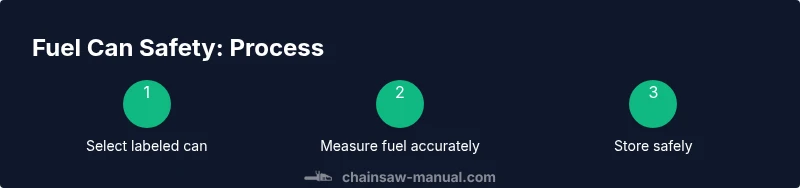
Choose a dedicated, clearly labeled gas/oil can that is designed for portable fuel storage. Color-coding is helpful: separate cans for fuel and oil reduces the risk of accidental cross-contamination. Ensure the can has a secure cap, a vented spout, and a tight seal to prevent leaks. Label the can with the mix ratio and the date of preparation. If the can is damaged or swollen, replace it immediately to avoid leaks or ruptures. Proper labeling and inspection reduce confusion on the job site and support compliance with safety policies.
Preparing the fuel mix safely
Preparation should occur in a well-ventilated area, away from sparks or heat sources. Use a clean mixing bottle or sealable container and measure exactly the ratio recommended by the manufacturer. Pour gasoline first, then add the oil to minimize air mixing. Replace the cap, and gently mix by swirling rather than shaking aggressively to limit splashes. Always use fresh fuel and stain-free containers. Clean up any drips with absorbent material and dispose of it according to local rules.
Filling the chainsaw tank with the fuel mix
Before fueling, inspect the tank for cracks or leakage. Remove the bar and chain guard if needed for visibility, and wipe away any residue. With the saw securely positioned, slowly pour the fuel mixture into the tank using the can’s spout to minimize spills. Stop a little short of the top to avoid overflow when the tank heats up. Wipe off any drips immediately and reseal the can. Check that the air filter, fuel cap, and other components are undamaged after fueling.
Storage and maintenance of gas and oil cans
Store cans upright in a cool, ventilated area away from heat sources, direct sunlight, and ignition risks. Keep cans closed tightly; ensure the caps are not cross-threaded. Periodically inspect cans for rust, cracks, or signs of leakage, replacing damaged cans promptly. Labeling with the fuel mix and date helps maintain quality over time. For reliability, store fuel away from the chainsaw when not in use to prevent accidental spills and contamination.
Transport, spills, and emergency actions
When transporting fuel containers, secure them to prevent tipping during movement. In the event of a spill, absorb with an appropriate material, avoid creating sparks, and ventilate the area. Dispose of absorbent material according to local regulations and never pour fuel down drains or onto the ground. If a spill occurs inside a vehicle or enclosed space, evacuate and contact local authorities if needed. A small spill can become a significant hazard if left unattended.
Common mistakes and how to avoid them
Common mistakes include mixing in unclean containers, using the wrong ratio, overfilling the tank, and storing fuel near ignition sources. To avoid these, label containers, use dedicated measuring tools, and perform fueling in a designated outdoor area. Regularly inspect cans for damage and replace them if needed. Implement a simple checklist for each fueling session to ensure nothing is overlooked.
PPE, environment, and disposal considerations
Always wear eye protection, gloves, and long sleeves during fueling to protect from splashes and fumes. Work in a well-ventilated area and keep a small fire extinguisher nearby as a precaution. Dispose of old or contaminated fuel per local regulations, and never pour it into soil or water sources. Regularly maintain the can spout, cap, and vent to ensure safe operation.
Tools & Materials
- Stihl chainsaw gas and oil can(Sealed, clearly labeled, vented spout)
- Measuring cup or fuel mixing container(Marked for milliliters and fluid ounces)
- Fresh gasoline (per local regulations)(Unleaded or low-ethanol fuel recommended)
- Two-stroke engine oil for air-cooled engines(As specified by Stihl model manual)
- Personal protective equipment (PPE)(Safety glasses, chemical-resistant gloves, long sleeves)
- Spill absorbent material(For quick cleanup of drips and splashes)
- Funnel or spout accessory(Improves pouring accuracy)
- Rags or paper towels(Dry spills immediately)
Steps
Estimated time: 30-60 minutes
- 1
Review the model manual and identify the correct fuel mix
Locate the recommended fuel-to-oil ratio for your exact Stihl chainsaw model and confirm the engine type. Use this ratio to determine the precise amount of oil to add to the gasoline. Verify the oil grade is suitable for air-cooled two-stroke engines.
Tip: Always start with the manual; ratios can vary by model and year. - 2
Gather PPE and tools
Assemble eye protection, gloves, and long sleeves. Prepare your measuring cup, mixing container, and the dedicated gas/oil can. Ensure the work area is clean and well-ventilated.
Tip: Keep a dedicated fueling area away from ignition sources. - 3
Measure the gasoline and oil separately
Pour gasoline into the mixing container first, then add the oil according to the ratio. Avoid splashing by using a steady pour and keeping the containers upright.
Tip: Use a clean container to prevent contaminating the fuel mix. - 4
Mix and verify the blend
Secure the container and gently mix to ensure a uniform blend. Do not shake aggressively to minimize foaming. Re-check the ratio after mixing if you suspect an error.
Tip: A quick swish is enough; avoid prolonged shaking. - 5
Label and cap the can
Label the can with the mix ratio and date. Secure the cap tightly to prevent leaks during storage and transport.
Tip: A labeled can reduces mistakes during future projects. - 6
Fill the chainsaw tank carefully
Place the can on a stable surface and pour slowly with the spout. Leave a small headspace to accommodate thermal expansion. Wipe any drips immediately.
Tip: Always refuel in a ventilated outdoor area. - 7
Inspect and reseal after fueling
Check the fuel cap and air filter for proper seating and absence of fuel contact. Ensure no fuel leaks are present on the body.
Tip: Post-fueling inspections catch leaks early. - 8
Store the can and saw safely
Store upright in a cool, ventilated space away from heat and ignition sources. Keep the can closed and labeled; the saw should be parked on a stable surface.
Tip: Never store fuel near any potential ignition source. - 9
Dispose and clean up
Dispose of contaminated absorbents per local regulations. Clean the work area and ensure no fuel residues remain. Reorganize tools for the next use.
Tip: Always plan a quick cleanup routine to avoid residues.
FAQ
What is the correct fuel-to-oil mix for a Stihl chainsaw?
The correct mix depends on your model. Always refer to the owner's manual for the exact ratio, and use two-stroke oil designed for air-cooled engines. Common ranges are between 40:1 and 50:1, depending on engine size and fuel type.
Check your model's manual for the exact ratio; use two-stroke oil designed for air-cooled engines. If unsure, start with the factory-recommended setting.
Can I use any gasoline in my Stihl chainsaw can?
Use fresh gasoline that meets local regulations and has minimal ethanol content. Avoid old or contaminated fuel, which can cause starting issues and engine wear.
Use fresh, low-ethanol gasoline and avoid old fuel to protect the engine.
How should I store the gas and oil can?
Store upright in a cool, well-ventilated area away from heat and ignition sources. Keep caps closed and cans labeled; inspect for leaks or swelling regularly.
Keep the cans upright in a ventilated place away from heat, with the caps tight.
What PPE is required during fueling?
Wear safety glasses, chemical-resistant gloves, and long sleeves. Ensure good ventilation and keep a fire extinguisher nearby as a precaution.
Put on gloves and goggles, and fuel outside in a ventilated area.
What should I do if fuel spills?
Contain the spill with absorbent material, clean up promptly, and dispose of the waste per local regulations. Do not pour fuel into drains or soil.
Contain and clean up spills, then dispose of waste according to local rules.
Are there environmental disposal guidelines I should follow?
Yes. Follow local regulations for disposal of old fuel and contaminated absorbents. Do not pour on the ground or into water sources.
Dispose of old fuel per local rules and never pour it on the ground.
Watch Video
The Essentials
- Follow the exact fuel mix ratio for your model
- Use dedicated, labeled cans to prevent cross-contamination
- Mix and pour in a ventilated outdoor area
- Store fuel away from heat and ignition sources
- Inspect and clean up thoroughly after fueling