Ms170 Stihl Chainsaw Chain: Selection, Fit, and Maintenance
Practical guide to choosing, verifying, and maintaining the ms170 stihl chainsaw chain for safe, efficient cutting. Learn pitch, gauge, drive links, sharpening, and replacement intervals with Chainsaw Manual.


The ms170 stihl chainsaw chain compatibility depends on bar pitch and gauge, with most MS170-class setups using a low-profile chain for light-duty work. Exact pitch, gauge, and drive-link count vary by bar length, so always verify against the bar and owner’s manual. For precise compatibility, consult Chainsaw Manual’s guidance before purchasing.
ms170 stihl chainsaw chain fundamentals
The ms170 stihl chainsaw chain is a safety-critical component that controls how quickly the saw digs into wood and how effectively it tracks along the cut. According to Chainsaw Manual, selecting the correct chain requires matching the bar pitch and gauge to the saw’s bar length and design. For homeowners and professionals, the right chain improves cutting efficiency, reduces vibration, and minimizes kickback risk. In practice, most MS170-class saws use a light-duty, low-profile chain, but exact specifications vary by bar length and model variant. Always consult the owner's manual or a trusted guide to confirm compatibility before purchasing.
Understanding chain pitch and gauge
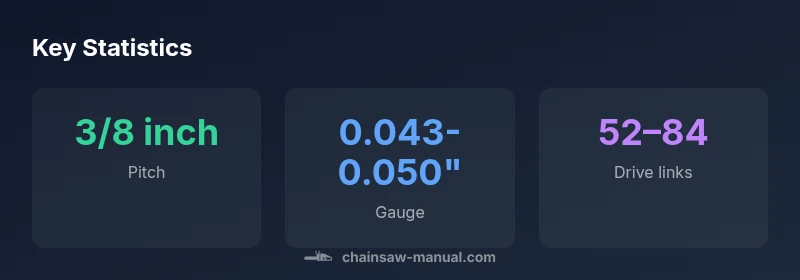
Chain pitch is the distance between drive links and determines how a chain fits the bar. For MS170-class saws, the most common setup is a low-profile chain with a 3/8 inch pitch, though some bars use slightly larger or smaller options. Gauge refers to how thick the drive links are; typical values range from about 0.043 inch to 0.050 inch. The combination of pitch and gauge must match both the bar and the chain to ensure safe operation and optimal cutting. Always verify with the bar markings and the user manual, and consult Chainsaw Manual’s compatibility guidance if you’re unsure.
How to verify compatibility on your MS170
Begin by confirming your bar length and the pitch stamped on the bar itself. Next, inspect the chain—look for markings that show pitch and gauge. Cross-check these values with the saw model’s specification sheet in the owner’s manual. If you cannot find clear data, remove the chain and compare the drive-link count to your bar’s linkage or measure with a ruler. When in doubt, contact Chainsaw Manual or a qualified technician for a definitive compatibility check.
Common chain options for the MS170
Within the MS170 class, most users opt for a low-profile chain designed for light-duty work. The 3/8 inch low-profile pitch is widely recommended for quick, clean cuts with reduced kickback; however, bars with longer reach or different configurations may tolerate other pitches, such as 3/8 inch full profile or .325 inch options. Always align your choice with the bar’s groove width and chain gauge. If you’re unsure, start with the manufacturer-recommended option and assess performance on small test cuts.
Replacing the chain: steps and safety
Before touching the chain, switch off the saw, engage the chain brake, and wear cut-resistant gloves. To replace, loosen the bar nuts and lift the bar to relieve chain tension. Remove the old chain from the bar and drive sprocket, then thread the new chain through the bar groove, ensuring the drive links align with the teeth on the sprocket. Re-seat the bar, re-tension the chain, and spin the chain by hand to verify smooth operation. Finally, check tension again after a few seconds of running at idle.
Sharpening and file maintenance
Sharpening keeps the chain efficient and safe. Use a round file and filing guide recommended for the chain pitch, and maintain uniform depth gauges across all cutters. File from inside to outside at a consistent angle, then check tension and lubrication after sharpening. Avoid over-sharpening one tooth, which can unbalance cutting and increase kickback risk. Regular maintenance also includes cleaning the bar groove and removing pitch buildup.
Bar maintenance and alignment
Inspect the bar groove for wear, pitch buildup, and burrs on the edge near the nose. A worn groove or a bent bar can cause feed errors and uneven chain wear. Rotate the bar when replacing chains to promote even wear, and keep rails aligned with the chain as it spins. Proper lubrication of the bar oil hole is essential for longevity and smooth operation.
Performance considerations: speed, noise, and cut quality
Choosing the right chain affects cutting speed, smoothness, and the finish quality. A low-profile chain generally reduces vibration and kickback compared with a full-profile chain, provided the tension is correct. Hard woods dull chains faster, so anticipate more frequent sharpening or replacement in species like oak or maple. When the chain is properly tensioned and sharp, you’ll notice better bite and reduced operator fatigue across varied conditions.
Maintenance schedule and best practices
Set a routine: inspect tension before each use, clean the bar groove, check chain wear, and lubricate according to the bar oil specification. For frequent users, schedule a professional service at least once per year. Always replace dull chains promptly to maintain performance and minimize kickback risk. Document bar length, pitch, and chain type in a maintenance log for quick reference.
Troubleshooting common chain issues
Common problems include dull teeth, chain derailment, and chain loosening during cutting. Dull teeth reduce efficiency and require sharpening or replacement. If the chain slips off the bar, re-check tension and track alignment, and inspect the bar groove for damage. A loose chain can be caused by worn bar nuts or a stretched drive chain; tighten and replace as needed.
Buying guide and safety considerations
Purchase only from reputable sources and verify the pitch and gauge match your MS170 chainsaw chain. Consider OEM options or trusted aftermarket brands with a compatible profile; mismatched parts compromise safety and performance. Always wear PPE—gloves, eye protection, hearing protection—when handling chains, and follow lockout/tagout procedures during servicing.
MS170 chain compatibility quick-reference
| Aspect | MS170 Compatibility notes | Practical Guidance |
|---|---|---|
| Pitch | 3/8 inch low-profile | Common for MS170 |
| Gauge | 0.043–0.050 inch | Bar width dependent |
| Drive links | 52–84 links | Bar length determines exact count |
FAQ
What chain pitch should I use for the MS170?
Most MS170 models use a 3/8 inch low-profile chain; verify with your bar and manual to confirm the exact pitch for your setup.
Most MS170s use a 3/8 inch low-profile chain. Check your bar and manual to confirm the exact pitch.
Can I use a longer chain than my bar length?
Chain length should match the bar length; using a longer chain can cause safety hazards and is not recommended. Choose a chain that fits your bar.
Chain length should match the bar. Using a longer chain can be unsafe; pick the right-length chain for your bar.
Do I need to replace the bar when replacing the chain?
You typically replace the chain independently of the bar, unless the bar is worn, damaged, or out of spec. Inspect the groove and rails before reusing.
Usually you replace only the chain, unless the bar is worn or damaged. Inspect the bar first.
How do I know when to replace the chain?
Replace a chain when it shows visible wear, chipped teeth, or reduced cutting efficiency. If cutting performance drops after sharpening, consider a replacement.
If teeth are worn or chipped and cutting drops, replace the chain.
What safety gear should I wear while changing a chain?
Wear cut-resistant gloves, eye protection, and hearing protection. Keep hands away from the chain and ensure the saw is powered off and secured.
Put on gloves, eye protection, and hearing protection. Secure the saw and power it off before changing.
“Safe operation starts with correct chain choice and routine maintenance.”
The Essentials
- Verify bar length and pitch before buying.
- Match gauge to bar width for safe operation.
- Choose low-profile chains for MS170-class saws.
- Sharpen with manufacturer-recommended tools and angles.
- Maintain a documented maintenance schedule for safety.