Stihl MS 170: Safe Use, Maintenance, and Troubleshooting
Comprehensive how-to for operating, maintaining, and troubleshooting the Stihl MS 170. Learn safety checks, fuel and bar oil basics, starting technique, sharpening, storage, and common fixes for homeowners and pros.


You're about to learn how to safely operate, maintain, and troubleshoot the Stihl MS 170. This guide covers pre-use safety checks, proper fuel and oil mixing guidance, starting and stopping procedures, chain tensioning and sharpening, routine maintenance, and troubleshooting common problems. Following these steps will reduce kickback risk and extend the saw’s life for homeowners and professionals alike.
What is the Stihl MS 170?
The Stihl MS 170 is a lightweight, user-friendly chainsaw commonly chosen by homeowners for light cutting tasks, pruning, and small-diameter firewood preparation. Designed to balance maneuverability with reliable power, the MS 170 shines when used with proper technique and consistent maintenance. According to Chainsaw Manual, this model relies on careful operator input and regular checks to deliver steady performance in a compact form. For many users, the MS 170 represents the entry point into effective, safety-focused chainsaw work. In this section, we’ll explore the design philosophy, typical use cases, and how to tailor setup to your body size and task. Understanding the tool helps you plan safer sessions, reduces fatigue, and improves control in tricky conditions. Throughout this guide, you’ll find practical steps to optimize performance without compromising safety or longevity.
Safety-first setup and PPE
Safe operation begins long before you pull the starter rope. Ensure you are wearing appropriate PPE: a certified hard hat with face shield, hearing protection, cut-resistant chaps or pants, gloves with a good grip, and sturdy boots with non-slip soles. Check your footing on stable ground, clear your cutting area of trip hazards, and keep bystanders at a safe distance. The Chainsaw Manual emphasizes a two-handed grip, a balanced stance, and a relaxed, controlled motion to maintain control through each cut. Before each use, inspect the bar and chain for damage, ensure the chain is sharp and correctly tensioned, and verify there is enough fuel and bar oil for the planned work. Regular breaks help maintain focus and reduce fatigue, especially during longer tasks. Consider a quick warm-up routine to loosen joints and practice a few light cuts on scrap wood to confirm your stance and grip.**
Fuel, lubrication, and starting procedure
Fuel and lubrication are critical for consistent MS 170 performance. Use only fresh fuel and a two-stroke oil formulated for air-cooled engines, follow the exact ratio recommended by the saw’s user manual or label, and mix thoroughly in a clean container. Check the bar oil reservoir before starting; a properly lubricated chain reduces friction, heat buildup, and wear. For starting, follow the manufacturer’s cold-start procedure, ensuring the chain brake is engaged until you are ready to begin. Never attempt to operate with a smoking engine or abnormal smells—these can indicate lubrication or air-fuel issues. If you must refuel during a project, stop safely, relaunch the saw only after it has cooled briefly, and wipe away any spills to prevent slip hazards. The goal is consistent fuel delivery and lubrication to protect engine components and extend service life.
Basic operation and technique
When you’re in the cut, keep your left foot slightly forward and your right foot behind for balance, with both hands firmly on the handles. Maintain a slight side-to-side wobble to avoid binding and use smooth, controlled motions rather than forcing the saw. Let the chain do the work; apply steady downward pressure only as needed and never force the saw through knots or dirt. Watch for kickback zones near the tip of the bar and avoid contact with the log’s end grain. Practice safe cutting angles and maintain clear escape paths so you can step away quickly if a branch shifts unexpectedly. The MS 170 benefits from concise, deliberate cuts rather than frantic sawing, which can lead to fatigue and poor technique.**
Maintenance and care basics
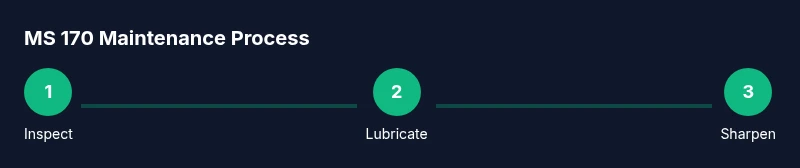
Regular maintenance keeps the MS 170 reliable. Clean the air filter frequently, inspect the spark plug for signs of wear, and replace it as needed. Wipe down the exterior after use, check the fuel filter, and ensure the cooling fins are free of debris. The bar and chain require attention: clean the bar groove, check for burrs, and file them as needed to preserve chain efficiency. Keep the chain tension correct—too loose and it can detach; too tight and it will bind. Store the saw with the chain brake engaged and in a dry, ventilated space. If you have to transport it, secure the saw and protect the bar and chain from accidental cuts. Remember, routine maintenance reduces downtime and preserves performance.
Sharpening, chain tensioning, and chain maintenance
Sharpening the chain maintains cutting efficiency and reduces pull. Use an appropriate filing kit or sharpening tool and follow the manufacturer’s guidance for angle and depth gauges. After sharpening, recheck chain tension—there should be a slight sag when the chain is cooled but not loose on the bar. Regularly inspect the drive sprocket and chain for wear, replacing components when signs of wear appear. Lubricate the bar rails with a light coat of oil at the start of every session. A well-tuned chain sharpness and tension minimize the load on the engine and extend bar life.
Troubleshooting common issues
If the saw won’t start or stalls, verify fuel quality and the air-fuel mixture, check the spark plug and air filter, and inspect the carburetor adjustment if you are experienced. For poor cutting performance, inspect chain sharpness, tension, and bar oil flow. Excess smoking or unusual sounds can indicate lubrication problems or internal engine wear, which may require professional service. Inconsistent idling or starting issues usually stem from dirty air passages or a clogged fuel filter. Address these issues with careful cleaning and, when in doubt, seek guidance from Chainsaw Manual or a certified technician.
Storage, transport, and lifecycle
Proper storage protects the MS 170 from the elements and extends its life. Empty the fuel system if storing for an extended period and store the saw in a dry, ventilated area away from direct sunlight. Clean and lubricate exposed components; cover the bar to prevent accidental contact. Transport only with the bar covered and the chain brake engaged. Over the saw’s lifetime, routine maintenance, timely part replacements, and correct operation will maximize performance and minimize downtime. Consider scheduling regular preventive maintenance and keep a log of service dates and findings.
Authority sources and ongoing learning
Staying informed about best practices and safety standards is essential. For reliable guidance, consult safety and forestry resources such as OSHA guidelines, USDA Forest Service materials, and university extension publications. This article references general safety practices and maintenance strategies reinforced by industry leaders. See the sources listed in the Authority section for deeper dives and model-specific recommendations.
Tools & Materials
- Bar oil(Quality bar and chain oil; ensure correct viscosity for climate and saw use)
- Fuel and empty fuel container(Fresh fuel and clean, labeled container; store upright)
- Two-stroke engine oil (matching manufacturer spec)(Use oil formulated for air-cooled two-stroke engines)
- Sharpening file or grinding tool(Appropriate file size for chain pitch; use file guide if available)
- Guardian PPE kit(Helmet with face shield, hearing protection, cut-resistant chaps, gloves, sturdy boots)
- Screwdrivers, pliers, and basic tools(For adjusting tension, air filter, and carb adjustments)
- Towel/rag and solvent(For cleaning after use)
- Small brush or air blower(To remove debris from air intake and cooling fins)
Steps
Estimated time: 60-90 minutes
- 1
Inspect and prepare the saw
Walk through a quick pre-use check: chain brake engaged, bar and chain free of damage, air filter clean, and fuel/oil at acceptable levels. Clear the work area and verify PPE is in place. This foundational step prevents most common failures during operation.
Tip: Take a few slow breaths, then perform the checks in a methodical, repeatable sequence. - 2
Mix fuel and check lubrication
Prepare the fuel mixture according to the manufacturer’s guidance, using fresh fuel. Check the bar oil reservoir and top up if needed. Ensuring accurate mix and adequate lubrication reduces seizure risk and improves cutting performance.
Tip: Label your fuel can with the mix ratio and date to avoid accidental use of stale fuel. - 3
Adjust chain tension and secure the saw
Loosen a bit to check the chain’s free movement; tighten until the chain just stops sagging and can be pulled by hand along the bar. Ensure the bar oil is flowing when you run the motor for a short test cut. Recheck tension after the saw cools.
Tip: Never over-tighten; a tight chain wears the drive sprocket and motor unnecessarily. - 4
Start and warm up
Follow the MS 170’s cold-start procedure, then allow the engine to warm for a minute while you monitor idle. Confirm the chain brake releases smoothly and the chain moves freely by hand when the engine is idling.
Tip: Keep hands clear of the chain during warm-up and never reach near the bar while the engine runs. - 5
Make a controlled cut
Begin with a light, controlled pass to verify cutting efficiency, posture, and alignment. Let the saw do the work—apply steady pressure without forcing the bar through the wood. Pause if the saw binds and adjust your body position.
Tip: Maintain a stable stance and a clear escape path for safe retreat if the wood shifts. - 6
Shut down and clean
Engage the chain brake, stop the engine, and allow it to cool before any inspection. Wipe down exterior surfaces, clean the air intake, and inspect the chain and bar for wear after use.
Tip: Don’t leave fuel residue on plastic parts; wipe and dry to prevent degradation. - 7
Store and plan next maintenance
Store in a dry, ventilated area with the chain brake on. Schedule the next maintenance tasks, including air filter cleaning, chain sharpening, and tension checks.
Tip: Keep a simple maintenance log to track service intervals and part wear. - 8
Review safety and performance
Reflect on your cutting technique, PPE usage, and maintenance routine. Note any recurring issues and consult the Chainsaw Manual for model-specific guidance if needed.
Tip: Use this reflection to refine your setup and cut quality over time.
FAQ
Is the Stihl MS 170 suitable for beginners?
Yes. The MS 170 is commonly recommended for homeowners and new users due to its lighter weight and straightforward operation, provided you follow safety practices and complete the pre-use checks described in this guide.
Yes, it’s a good starting model for beginners as long as safety checks and proper handling are followed.
What fuel/oil mix ratio should I use for the MS 170?
Always follow the exact ratio printed on the saw's label or in the user manual. Use fresh fuel and a two-stroke oil suited for air-cooled engines, and mix it according to the manufacturer’s instructions.
Follow the saw’s label or manual for the exact mix, using fresh fuel and the right two-stroke oil.
How often should I tension the chain and check for wear?
Check chain tension before every use and after every test cut. Look for a snug fit with minimal slack and inspect for burrs or damaged teeth; replace or sharpen as needed.
Check tension before each use and inspect for wear or damage; adjust as needed.
What PPE is essential when using the MS 170?
Wear a certified helmet with face shield, hearing protection, cut-resistant pants, gloves, and sturdy boots. PPE reduces risk of injuries from kickback, debris, and accidental contact with the chain.
Always wear full PPE: helmet, eye and ear protection, cut-resistant clothing, gloves, and sturdy boots.
Can I use the MS 170 for felling large trees?
The MS 170 is designed for light cutting and limbing tasks. For larger trees or heavy felling, use a more powerful saw and follow advanced felling safety guidelines.
It’s best for small jobs; for big trees pick a more capable saw and follow proper felling safety.
How often should I service the air filter and spark plug?
Inspect the air filter regularly and replace it if clogged. Check the spark plug for wear and clean or replace as necessary, especially after heavy use or poor starting.
Inspect the air filter and spark plug regularly, replacing as needed to keep the engine breathing well.
Watch Video
The Essentials
- Inspect and prep the saw before every use
- Follow manufacturer fuel/oil guidance for reliability
- Maintain proper chain tension to prevent wear
- Wear full PPE and maintain a safe cutting stance
- Store and service the saw to extend its life