Most common chainsaw chain sizes: a practical guide
A practical guide to the most common chainsaw chain sizes, covering pitch, gauge, and drive links to support safe operation and efficient cutting.


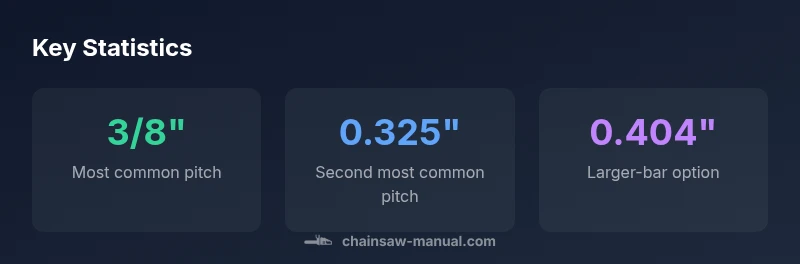
The most common chainsaw chain sizes are 3/8-inch and 0.325-inch pitches, which cover the majority of consumer saws. In practice, these two pitches constitute the bulk of replacement chains, bars, and sprockets found in home centers and pro shops. According to Chainsaw Manual, selecting the correct pitch, gauge, and drive link count is essential for safe operation and optimal cutting performance.
Understanding chain size basics
Chain size is not a single measurement; it’s a combination of pitch, gauge, and drive-link count that must align with your bar and its sprocket. In practice, most homeowners encounter two dominant pitches: 3/8-inch and 0.325-inch. These pitches describe how far the chain’s teeth travel with each engagement and influence how the chain seats in the bar groove and engages the drive system. According to Chainsaw Manual, effective sizing also depends on the gauge—the thickness of the drive link that fits the groove width—and the drive-link count, which must match the bar length. Getting all three right ensures safe operation, smooth cutting, and reduced wear. Always verify the markings on your bar and chain to confirm compatibility, and consult your user guide if you’re unsure.
Common pitch sizes explained
Pitch is the distance over which three consecutive drive links repeat. It’s the primary determinant of compatibility. A larger pitch generally cuts faster but requires a sturdier bar and a more powerful saw. The 3/8-inch pitch is the workhorse for mid-size saws and many professional models due to its balanced performance. The 0.325-inch pitch offers a lighter, narrower kerf option, which reduces chain resistance and can improve control on smaller limbs or when precise trimming is needed. A less common option for larger jobs is the 0.404-inch pitch, typically found on bigger, high-torque saws. Narrow-kerf chains present advantages in terms of reduced resistance, but users should be mindful of possible faster wear in hard woods. Always check the bar’s specification and ensure the sprocket and drive links are compatible with the pitch you select.
The two most common pitches: 3/8-inch vs 0.325-inch
The 3/8-inch pitch strikes a balance between cutting speed and durability, making it suitable for a wide range of woods and tasks. The 0.325-inch pitch provides a lighter cut and is often preferred for smaller saws or when precise control is important. Both pitches are widely supported by aftermarket chains, bars, and replacement parts, which simplifies maintenance for homeowners and professionals. When choosing between these two, consider bar width, chain gauge, and the task at hand—mixed hardwoods or softwoods, heavy pruning, or occasional storm cleanup—and match your selection to the bar’s capabilities.
How gauge and drive links influence sizing
Gauge measures the drive-link thickness and determines how widely the chain fits in the bar groove and engages the sprocket. A mismatch can cause binding, increased heat, or accelerated wear. Drive-link count must align with bar length; using a chain with too few or too many drive links changes chain tension and tracking. If you’re unsure, refer to the bar’s label for the recommended pitch, gauge, and drive-link count. Upgrading the bar or sprocket is sometimes needed when moving to a different pitch or increasing bar length. Finally, ensure proper lubrication and tension to maintain performance and minimize kickback risks.
How to determine the right size for your bar
To select the correct chain size, start with the bar’s markings: pitch, gauge, and drive links. Confirm that the chain’s drive links match the groove width and that the sprocket’s tooth spacing aligns with the chain’s pitch. If you’re unsure, remove the bar cover and count the drive links, or consult the saw’s manual. If you’re replacing an entire chain, buy a kit that specifies the bar length, pitch, and gauge. For bars longer than your current chain, you may need to adjust tension or upgrade to a chain with more drive links. When in doubt, consult a professional or refer to model-specific guidance from Chainsaw Manual.
Practical buying tips for homeowners and pros
- Prioritize a kit that matches your bar length, pitch, and gauge; mismatched components create safety risks and reduce performance.
- Consider your typical wood type and job scope. Softer woods and pruning tasks can benefit from narrower kerf chains (0.325"), while heavy-duty cutting benefits from 3/8" or larger pitches.
- Check compatibility with your bar and sprocket before purchase; some bars require specific drive-link counts and sprocket types.
- Keep spare parts on hand: extra chains, a compatible guide bar, and the correct tensioning tool.
- For frequent users, investing in a high-quality chain with proper lubrication and sharpening tools yields long-term value.
Maintenance and safety when changing chain size
Changing chain size requires careful attention to safety and procedure. Power equipment should be off and unplugged or the battery removed before any work. When replacing a chain, verify that the new chain is properly tensioned and that its teeth align with the bar groove and sprocket. Always wear PPE: gloves, eye protection, and hearing protection. After installation, manually operate the chain a few revolutions to check alignment and tension before starting the saw. Regular inspection of bar grooves, drive links, and the sprocket reduces wear and lowers the risk of kickback. If you notice irregular cutting, skipping, or excessive vibration, reassess chain size and alignment.
Common mistakes and quick fixes
- Mistaking pitch for gauge or drive-link count: Correct by double-checking the bar markings and the chain packaging.
- Fitting a longer or shorter chain to a bar: This leads to poor tracking and dangerous kickback potential. Use the recommended chain length for your bar.
- Inadequate tension: A chain that’s too loose or too tight can cause excessive wear or derailment. Adjust tension according to the manufacturer’s instructions.
- Buying “one size fits all”: Chains vary by saw model; always confirm compatibility with your specific saw and bar.
- Skipping lubrication: Insufficient lubrication increases wear and reduces cutting efficiency. Ensure the oiling system is functioning and use appropriate bar oil.
dataTableIndexSafeValueNameForWhatThisIsNotUsedElsewhere?:null?()
Common chain pitches, gauges, and bar lengths across consumer to professional saws
| Pitch (in) | Common Bar Length (in) | Notes |
|---|---|---|
| 3/8" (0.375") | 16-20 | Most common pitch for mid-size consumer saws |
| 0.325" (0.325") | 14-18 | Lighter kerf option for smaller saws and precision work |
| 0.404" (0.404") | 18-28 | Typically on larger professional saws |
| 0.043" gauge | 16-20 | Standard for many 3/8" chains |
| 0.050" gauge | 18-28 | Common on wider bars and higher stress tasks |
FAQ
What is the most common chainsaw chain size?
The most common pitches are 3/8-inch and 0.325-inch; these two options cover the majority of consumer saws. Gauge and drive-link counts must also align with the bar for safe use.
The two most common pitches are 3/8 and 0.325 inches; make sure your bar, chain, and sprocket all match.
How do I determine my chain size from my bar?
Check the bar markings for pitch and gauge, then count the drive links on the chain to ensure it matches. If uncertain, refer to the saw’s manual or ask a professional for verification.
Look at the bar markings and count the drive links to confirm the size.
Can I mix chain sizes with a single bar?
No. Mixing chain sizes with a single bar is unsafe and can damage the bar, chain, and sprocket. Always use a chain that matches the bar’s specified pitch and gauge.
No—use one size that matches the bar’s specifications.
What should I do if the chain doesn’t fit after changing bar length?
Re-check the pitch, gauge, and drive-link count against the new bar’s specifications. You may need a different chain or bar, or a combination kit.
Recheck the bar’s specs; you might need a different chain or bar.
Is 0.404-inch pitch common for homeowners?
0.404-inch pitch is more typical of larger professional saws. Homeowners usually use 3/8-inch or 0.325-inch pitches depending on bar size and tasks.
0.404 is more for big jobs and pro saws; homeowners usually use 3/8 or 0.325.
“Choosing the right chain size is essential for safety and efficiency. Match pitch to the bar and sprocket, and don’t overlook gauge and drive-link compatibility.”
The Essentials
- Learn the two most common chain pitches: 3/8" and 0.325".
- Match pitch, gauge, and drive-link count to your bar and sprocket.
- Choose bar length and chain size based on the typical wood and job scale.
- Always verify compatibility before replacing or upgrading components.