How to Test Chainsaw for Air Leak: Safe Diagnostic Guide
Learn how to test your chainsaw for air leaks safely. Step-by-step methods, tools, and practical tips to identify leaks at gaskets, boots, and seals while keeping you protected.


You will learn how to safely test a chainsaw for air leak and identify leak sources. The guide covers checking gaskets, seals, and intake boots, plus safe diagnostic methods like smoke and soapy-water tests. Gather PPE, a flashlight, and basic tools, then follow a step-by-step approach to isolate the leak.
Understanding the risks of air leaks in a chainsaw
Air leaks in a chainsaw can cause uneven idle, hard starting, reduced power, and unpredictable running behavior. For homeowners, DIY enthusiasts, and professionals, diagnosing these leaks early protects engine life and improves cutting reliability. According to Chainsaw Manual, a structured diagnostic approach helps you identify where air is entering the intake system and which seals or hoses are compromised. When you ask how to test chainsaw for air leak, the answer starts with a careful observation of the entire air-path, from the air filter housing to the carburetor throttle body. The goal is to distinguish true air leaks from fuel-system issues and to do so without creating a hazardous situation. In practice, you’ll combine a visual inspection with controlled testing methods so you can pinpoint the leak while keeping the engine and operator safe.
Common sources of air leaks in chainsaws
Air leaks most often arise at four points: the carburetor intake boot and clamps, the carb gasket, the air-filter housing seal, and any damaged or loose hoses along the intake path. Worn or cracked boots allow outside air to creep in; loose clamps create an instant distortion in air flow; and degraded gaskets fail to seal between mating surfaces. The chainsaw design also relies on a precise seal between the carburetor throat and intake tract; if this seal wears, idle circuits can bleed air and fuel inconsistently. In some cases, a dirty or clogged air filter alters flow and can masquerade as a leak. Regular inspection and timely part replacement help prevent leak onset. Chainsaw Manual analysis shows that even small, hard-to-detect leaks can compound performance issues over time, so don’t dismiss a slow idle or faint engine bog as cosmetic.
How leaks affect performance and safety
Air leaks change the pressure balance inside the intake system, causing the engine to lean out or run too rich at idle. This can lead to higher fuel consumption, incomplete combustion, and potentially dangerous kickback conditions if the carburetor’s air-fuel ratio becomes unstable. A leaked intake can also allow dust and debris to bypass the air filter, accelerating wear on internal components. For safety, ensure you’re working in a well-ventilated area and keep flammable vapors away. The testing process itself must be methodical: you’ll verify each joint, boot, and gasket, then recheck after any tightening or part replacement. By following a repeatable procedure, you minimize the risk of missing a subtle leak source and avoid over-tightening clamps that may crack housings.
Safe diagnostic approach: smoke tests, soapy water, and observation
A reliable way to reveal air leaks without dismantling the entire intake is a combination of lightweight diagnostics. Start with visual inspection, then use a soapy-water solution to watch for bubble formation at joints while the engine is at idle. If bubbles appear, you’ve found a leak. For more sensitive detection, a fog machine or handheld smoke pencil can visualize airflow around boots and gaskets when the engine is running. Always perform tests in a safe, ventilated space away from ignition sources. If you don’t have a fog machine, a simple soap test often suffices to locate most leaks in the visible intake path. As you test, document each finding so you can track repairs and confirm when the leak is resolved.
Step-by-step diagnostic framework overview
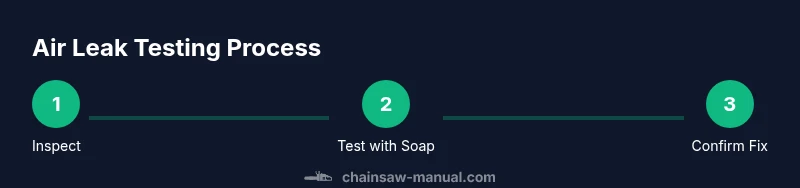
A practical framework combines three pillars: (1) thorough visual inspection, (2) functional testing with soap and/or fog visualization, and (3) systematic verification after tightening or replacement. Start by cleaning the exterior to expose cracks or loose clamps. Then inspect the intake boot for cracks and confirm all hose clamps are snug. Move along to the carburetor gasket and the air-filter housing seals. Use a soap solution on suspected joints while the engine idles to observe for bubbles. If visible leaks are not found, advance to a fog-test to reveal subtler air ingress. Finally, reassemble with care and re-test to verify leak elimination. This approach reduces guesswork and aligns with safety guidelines that emphasize controlled testing in a well-ventilated area.
Safety considerations and PPE for leak testing
Safety first: always wear eye protection, gloves, and hearing protection when testing a running chainsaw. Work in a clear, uncluttered area with a fire extinguisher nearby. Keep fuel away from the test zone and avoid sparks or open flames. Before touching any fuel-related components, depressurize the system and disconnect the spark plug lead if you are comfortable with the procedure. If you’re unsure about the exact torque specifications for clamps or fittings, consult the owner’s manual or a qualified technician. Regular maintenance such as replacing worn boots and gaskets can prevent leaks and enhance overall reliability. Finally, never attempt leaks testing with the chain brake engaged and the chain resting on a protective surface to avoid accidental injury.
Tools and test setup: essential equipment
To perform a proper air-leak test, you’ll need a few essential tools and setup items. A bright flashlight helps you spot small cracks and damaged seals; a full set of screwdrivers and a socket wrench handles clamps; a soapy-water spray bottle reveals bubbles at leakage points; a fog machine or smoke pencil provides visualization of airflow; a notebook or marker helps you document each test point and outcome; and a clean rag for wiping surfaces. A safe, stable work surface is crucial, and you should keep a fire extinguisher within reach when testing a running engine. If you replace any component, ensure you verify the seal afterward to confirm the fix was effective.
How to read test results and decide on fixes
If you observe bubbles from any joint, clamp, boot, or gasket, you’ve likely found an air leak. Tighten clamps where appropriate, reseat hoses, or replace cracked boots or gaskets. After each adjustment or replacement, re-test the system to confirm the leak is resolved and that there are no new leaks introduced by the repair. If the leak persists after tightening and replacement, you may need to inspect internal seals or consider professional service. Document each step and note the parts involved so you can reference the repair history during future maintenance.
Authority sources and safety reminders
For safety guidance and testing principles, consult reputable sources before beginning any diagnostic work. The following resources provide general safety and maintenance information relevant to small engines and hand tools:
- https://www.osha.gov
- https://extension.psu.edu
- https://www.cdc.gov
These references emphasize PPE, ventilation, and safe handling of fuel and hot components. Always align any testing with your local regulations and the manufacturer’s recommendations. By prioritizing safety and following a structured approach, you can reliably identify air leaks without compromising operator safety or equipment integrity.
Final notes and recommended next steps
With a systematic testing approach, you can accurately locate and fix air leaks in a chainsaw. After repairing or replacing components, perform a final leak check to ensure the issue is fully resolved. If leaks recur after maintenance, reassess the entire intake path and consider replacing aging components or seeking professional service. The Chainsaw Manual team recommends documenting findings and adhering to a regular maintenance schedule to prevent leaks and maintain peak performance.
Tools & Materials
- Safety glasses or goggles(ANSI Z87.1 compliant)
- Work gloves(Cut-resistant if possible)
- Flashlight or headlamp(Bright, hands-free preferred)
- Screwdrivers (flathead and Phillips)(Varied sizes)
- Socket wrench set(Metric sizes 6-14 mm)
- Soapy water spray bottle(Dish soap + water mix)
- Fog machine or smoke pencil(For visualizing airflow)
- Marker and notebook(To document tests and fixes)
- Clean rag(Wipe surfaces and dry joints)
- Owner's manual (as reference)(Torque specs and part numbers)
Steps
Estimated time: 45-60 minutes
- 1
Put on PPE and secure workspace
Don your safety glasses, gloves, and hearing protection before touching the chainsaw. Clear the area of spectators and flammable materials, and confirm the saw is on a stable surface with the chain brake engaged. This first step reduces the risk of injury and ensures you have a safe environment for testing.
Tip: Keep one hand free to operate testing tools and steady the saw during inspection. - 2
Inspect external seals and intake path
With the engine cool, visually inspect the carb boot, intake hose, clamps, and the air-filter housing for cracks, splits, or looseness. Look for signs of wear on gaskets and check for missing or damaged clamps that could create a leak path. Document any obvious issues before proceeding to functional tests.
Tip: Use a bright flashlight and a mirror to inspect hard-to-see angles. - 3
Check air filter and housing connections
Remove the air filter housing cover if needed and inspect the filter itself for damage or heavy soiling. Ensure the housing seals cleanly against the carburetor and that the filter is seated properly. Re-seat and tighten connections before testing the engine.
Tip: Avoid forcing the filter; gentle handling prevents additional damage. - 4
Start the engine and idle
Start the chainsaw according to the manual and let it idle for about 15-20 seconds to reach a steady operating state. This allows the intake system to draw air through the normal path so leaks become visible under normal idle conditions.
Tip: Never run the engine near fuel containers; maintain good ventilation. - 5
Apply soap solution to suspected joints
Spray a soapy solution onto suspected joints, boots, and gasket interfaces while the engine idles. Watch for bubbles forming at any joint; bubbles indicate air ingress. If nothing appears, move to the next joint methodically.
Tip: Test joints one at a time to isolate the leak source more easily. - 6
Conduct a smoke/fog test near the intake
With the engine still idling, use a fog machine or a handheld smoke pencil around the intake boot, carburetor seals, and gasket interfaces. Observe the flow of fog; any deviation or flutter indicates an air leak. Record locations where smoke is drawn into the engine.
Tip: Increase fog density gradually to avoid overwhelming the test area. - 7
Tighten, replace components, then re-test
Tighten clamps and reseat hoses where leakage is detected. Replace cracked boots or degraded gaskets as necessary, then re-test the entire system to confirm the leak is resolved. Repeat steps 5-6 if needed to verify the fix.
Tip: Note torque specs if applicable and verify with another quick test. - 8
Document results and plan maintenance
Record which parts were replaced or tightened and the test outcomes. Schedule future inspections of seals, boots, and clamps to prevent recurrence. Use the notes to guide preventive maintenance over the coming seasons.
Tip: Keep a simple maintenance log for each chainsaw you service.
FAQ
What is an air leak in a chainsaw and why is it dangerous?
An air leak occurs when unintended ambient air enters the intake path, altering the air-fuel mixture. This can cause hard starting, rough idle, and reduced power, increasing the risk during operation. Addressing leaks improves performance and safety.
An air leak lets extra air into the engine, causing rough idle and power loss. Fixing leaks improves performance and safety.
What are the common sources of air leaks in chainsaws?
Typical leak points are the carburetor intake boot, clamps, carb gasket, and air-filter housing seals. Cracked boots and loose clamps are frequent culprits. Regular inspection helps catch these issues early.
Common leaks usually come from the intake boot, clamps, and gaskets around the carburetor and air filter housing.
Can I test for air leaks without starting the engine?
Most diagnostic tests require a running engine to reveal air ingress through dynamic paths. A non-running inspection helps spot visible damage, but a running-idle test with soap or fog is usually necessary for definitive results.
Some checks can be done with the engine off, but you’ll need a running test to confirm leaks.
What tools help make testing safer and easier?
Use PPE, a bright light, a spray bottle for soap solution, and a fog machine or smoke pencil. A notebook helps document findings, and a torque-ready toolkit supports proper reassembly.
PPE, a flashlight, soap solution, fog tools, and a notebook make testing safer and easier.
If leaks persist after repairs, what should I do next?
Recheck all seals and clamps, confirm fuel-system integrity, and consider professional service for internal gaskets or seals. Re-test after any fix to ensure complete resolution.
If leaks persist after repairs, recheck everything or seek professional service and test again.
Watch Video
The Essentials
- Identify leak sources with visual, soap, and fog tests.
- Tighten or replace faulty seals and boots as needed.
- Re-test to confirm leak elimination before resuming work.
- Document findings to inform future maintenance.