Chainsaw Won’t Turn Over: Troubleshooting Guide
Learn fast, safe fixes for a chainsaw that won't turn over. This guide covers flooded carbs, bad spark plugs, and fuel issues with a clear, step-by-step troubleshooting approach.


Most likely the engine is flooded or seized from stale fuel. Quick fix: remove the spark plug, clear compression by pulling the starter rope, check the choke, then reinstall and attempt starting with a wide-open choke. If it still won't turn over, verify spark and fuel mix, and contact Chainsaw Manual for pro help.
Why a Chainsaw Won't Turn Over
When you pull the starter rope and the engine refuses to turn over, it can be alarming, especially during a cutting job. A non-turning engine means the crankshaft isn’t rotating as it should, which blocks fuel delivery and ignition from properly cycling. In many cases, the root cause is simple and fixable with a methodical check of fuel, spark, and compression. The Chainsaw Manual team emphasizes safety-first testing: always disconnect the spark plug boot before handling the saw, wear eye protection, and keep your hands away from the chain when testing. By understanding the common failure modes for the condition "chainsaw won’t turn over", you can triage quickly and avoid unnecessary repairs. The goal is to restore reliable starts and prevent repeated outages on the jobsite.
Common lessons from Chainsaw Manual analyses show that the vast majority of turn-over failures stem from fuel quality, a fouled spark plug, a carburetor or primer issue, or a minor compression problem. In this guide you’ll learn how each cause presents itself, how to verify it safely, and how to apply the most effective fix without risking additional damage. The tone remains practical and safety-first, so you can work with confidence rather than guesswork.
Common Causes at a Glance
- Fuel quality or incorrect two-stroke mix: Old, stale fuel or improper oil-to-fuel ratio can prevent ignition and make the engine stiff or unwilling to rotate.
- Spark plug fouled or worn: A dirty or damaged plug can fail to fire consistently, keeping the engine from turning over.
- Carburetor flooding or clog: A flooded carburetor or dirty jets can flood the combustion chamber and hamper starting.
- Engine compression or piston seizure: Lack of lubrication or long storage can cause seizing, especially in older units.
- Ignition or wiring issues: A weak spark or damaged ignition coil can prevent the engine from cranking.
- Safety features or mechanical jams: Chain brake applied, clutch binding, or a stuck recoil starter can stop rotation.
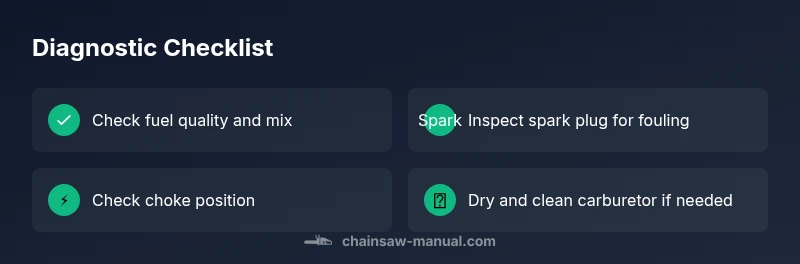
Note: In many cases, the simplest fixes—fresh fuel, clean spark plug, and correct choke position—resolve the issue. If the problem persists after these checks, move through the diagnostic flow described later.
Quick Checks You Can Do Before Tools
- Ensure the chain brake is disengaged and the stop switch is in the correct starting position.
- Check the spark plug boot is firmly connected, then inspect the spark plug for fouling or wear. If fouled, clean or replace.
- Inspect fuel: use fresh two-stroke mix or fuel according to your saw’s specification; avoid stale fuel.
- Verify proper choke position for starting and adjust as needed.
- Attempt a controlled starting sequence: with the spark plug removed, pull gently to vent compression if you suspect a flooded carburetor, then reinsert plug and try again with a wide-open choke.
- Do not force the starter rope if the engine feels tight or heavy; this can cause internal damage.
These steps address the most common, least invasive causes of a chainsaw that won’t turn over and lay the groundwork for deeper diagnostics.
In-Depth Diagnosis by Symptom
If the engine cranks but won’t start, the issue is typically fuel or ignition. If the engine won’t turn over at all (the rope feels stiff or won’t move), you’re likely facing a mechanical restriction, compression issue, or a seized piston.
- No rotation (no crank): Start with fuel, spark, and choke checks. Disconnect spark plug boot and test spark with a diagnostic spark plug tester if available.
- Stiff rotation (hard to pull): Lubrication problems or a seized piston could be the culprit. Avoid forcing rotation; inspect cooling fins, air intake, and lubrication system.
- Smoke or odor on startup: Could indicate oil fouling or improper fuel mix; inspect carburetor and fuel lines.
Throughout, keep safety as the priority and follow the diagnostic flow to isolate the most probable cause before attempting major repairs.
Safety Considerations and Quick Workarounds
- Always wear PPE: eye protection, gloves, hearing protection, and steel-toed boots when working on a chainsaw.
- Disconnect the spark plug boot whenever you handle the saw to avoid accidental starts.
- Never pry around the clutch housing or carburetor with power applied; use the proper tools and follow the manufacturer’s service manual.
- If you suspect compression issues or engine seizure, stop tests and seek professional help to avoid further damage or voiding warranties.
Safety is not optional—it's the most important part of troubleshooting a chainsaw that won’t turn over.
Maintenance to Prevent Future Issues
A proactive maintenance routine greatly reduces the chance of future turn-over problems. Regularly replace old fuel with fresh two-stroke mix, run the engine to full operating temperature to burn off varnish, clean the air filter, and inspect the carburetor for varnish or debris. Store fuel in approved containers and follow proper storage guidelines.
Keep spark plugs clean and correctly gapped as per the manufacturer’s specs. Periodically inspect the spark plug boot and ignition coil for wear. A simple, consistent maintenance schedule helps minimize surprises on the jobsite and keeps the chainsaw ready for action when you need it most.
When to Call a Pro and What They Do
If after methodical checks the chainsaw still won’t turn over, it’s time to consult a professional. A diagnostic technician can perform compression testing, fuel-system cleaning, carburetor rebuilds, and ignition-system assessments with calibrated tools. This ensures the problem is diagnosed accurately and repaired to factory specifications. Early professional involvement can save time and prevent further damage, especially if the issue involves internal wear or a seized engine.
Steps
Estimated time: 25-45 minutes
- 1
Power off and secure the saw
Put on PPE, disconnect the spark plug boot, and engage the chain brake. Ensure the saw cannot start during inspection. This prevents accidental starts while you diagnose.
Tip: Always double-check the chain brake is fully engaged when moving components. - 2
Inspect the spark plug
Remove the boot and spark plug; inspect for fouling, bluing, or wear. Clean with a wire brush or replace if damaged. Re-gap only per manufacturer specs after cleaning.
Tip: Carry a spare spark plug and the correct gap tool for quick swaps. - 3
Check fuel and choke position
Drain stale fuel and replace with fresh two-stroke mix. Verify the choke position matches starting needs and adjust as required.
Tip: Never start with full choke for extended periods; return to run position after initial pops. - 4
Clear a flooded carburetor
If you suspect flooding, remove the spark plug and pull the starter rope several times to vent compression and clear excess fuel. Wipe and reinstall the plug before trying to start.
Tip: Vent air through the spark plug hole to avoid fuel pooling in the cylinder. - 5
Attempt a controlled start
Reassemble components and attempt starting with a short, controlled number of pulls. If there is a backfire or no response, stop and re-check fuel and ignition components.
Tip: Do not yank aggressively; a controlled attempt avoids piston or clutch damage. - 6
Decide on professional help
If the engine still won’t turn over, perform a professional inspection to check compression and internal wear. Document observed symptoms for the technician.
Tip: A professional assessment often saves time and preserves warranty.
Diagnosis: Chainsaw won't turn over
Possible Causes
- highFuel quality or incorrect fuel mix
- highSpark plug fouled or damaged
- mediumCarburetor flooding or clog
- lowEngine compression/seizure
Fixes
- easyReplace stale fuel with fresh two-stroke mix and verify correct ratio per manual
- easyInspect/replace spark plug, clean gap and re-test
- easyClear flooded carburetor by removing spark plug and pulling starter with throttle open; dry plug and reassemble
- hardIf compression/seizure suspected, stop and consult a professional for a compression test and potential rebuild
FAQ
What should I do first when a chainsaw won't turn over?
Start with safety. Disconnect the spark plug boot, inspect the spark plug, verify fuel quality, and check the choke position. If the engine still won't turn over, follow the diagnostic flow to isolate the issue.
First, ensure safety by disconnecting the spark plug boot, then inspect the spark plug and fuel, and check the choke. If it still won't turn over, continue with the diagnostic steps.
Can stale fuel cause the engine not to turn over?
Yes. Stale or improper fuel can prevent ignition and cause performance issues. Always use fresh two-stroke fuel and proper oil mix per the saw's specifications.
Yes, stale fuel can stop ignition. Use fresh fuel and the correct oil mix for your saw.
Why does the spark plug matter in starting a chainsaw?
A fouled or damaged spark plug prevents the ignition spark from firing, so the engine won’t turn over. Replace or clean the plug and verify the gap according to the manufacturer's guidance.
The spark plug is essential for ignition. If it’s fouled, replace it and recheck the gap.
Is a flooded carburetor common, and how do I fix it?
A flooded carburetor fills the combustion chamber with fuel, preventing starting. Remove the spark plug, pull the starter a few times to clear excess fuel, dry the plug, and retry with the proper choke setting.
A flooded carburetor often stops starting. Vent excess fuel and retry with proper choke.
When should I replace the spark plug?
Replace a spark plug if it’s fouled, worn, or has excessive gap wear. Always use a plug that matches the saw’s specifications and re-gap if required.
Replace a worn or fouled spark plug and ensure the gap matches your saw’s spec.
What if the starter rope won't pull smoothly?
A stiff starter rope can indicate internal resistance or a seized starter mechanism. Stop testing and consult a professional if the rope won’t move freely after safety checks.
If the starter rope sticks, don’t force it. Get professional help to avoid further damage.
Watch Video
The Essentials
- Check fuel and spark plug first
- Disengage safety features before testing
- Avoid forcing the starter rope
- Replace stale fuel and clean/replace carburetor parts as needed
- Call a pro for compression or internal issues