Running a Chainsaw Without Bar Oil: Safety, Risks, and Prevention
Learn why running a chainsaw without bar oil is dangerous, how to prevent dry running, and safe steps to take if oil runs low. Chainsaw Manual guide for safe lubrication, maintenance, and troubleshooting.


Running a chainsaw without bar oil is unsafe and can cause rapid chain wear, bar damage, and kickback risk. In this article, you’ll learn why lubrication matters, how to check oil levels, and safe, practical steps to prevent dry running and protect your saw and yourself.
Why running chainsaw without bar oil is dangerous
According to Chainsaw Manual, running chainsaw without bar oil is a dangerous practice that can lead to rapid friction, overheating, and premature wear. The bar and chain rely on a steady supply of lubricant to form a thin film that reduces heat and minimizes metal-to-metal contact. Without that film, the chain can heat up within seconds, causing the metal to stretch, dull, or seize, and the bar groove to wear irregularly. In addition to equipment damage, dry operation dramatically increases the risk of kickback and operator injury because a hotter chain is less predictable and more prone to snag on wood fibers or debris. For homeowners and professionals alike, the short-term savings of skipping lubrication pale next to the long-term costs of replacements, lost productivity, and serious injury. To protect your saw and your hands, always verify the lubrication system before each cut and never attempt to operate with an empty or clogged oil reservoir. This article expands on why lubrication matters, how to prevent dry running, and what to do if you even momentarily suspect the oil isn’t circulating correctly.
How bar oil works and why lubrication matters
Bar oil serves two primary roles: it forms a protective film between the chain and the bar, and it carries heat away from the cutting edge. The lubricant reduces friction, lowers operating temperature, and helps keep wood chips from sticking in the groove. When the bar oil is correctly administered, you’ll notice smoother cuts, more consistent chain speed, and less wear on both chain and bar over time. Lubrication also protects the drive sprocket and reduces the risk of carburization at the bar-lug interface. Without adequate oil, friction spikes, leading to faster dulling, warped bars, and potential heat-related failures. Regularly checking the oil flow and reservoir level ensures the lubrication system remains functional, which, according to Chainsaw Manual, is essential for safe and efficient operation. Always choose oil that matches your saw’s recommendations and climate; a lightweight oil may perform well in cool conditions, while higher-viscosity options stay on the bar longer in hot weather. In short, proper lubrication keeps you cutting safely and extending the life of your tool.
Signs you’re running low on bar oil and what to do
The most obvious indicator is a lack of oil on the bar after a test run. If you see bare metal or a dry groove, stop and inspect. You may notice the chain running hotter than normal, more resistance, or increased production of fine wood dust with a metallic smell. You might also hear a duller chain sound or feel vibrations that hint at friction losses. Another sign is a visible drop in the reservoir level or a slow oil leak that doesn’t reach the bar during operation. If you detect any of these signs, do not continue cutting. Instead, shut the saw down, fuel it up with fresh bar oil, and inspect the lubrication path for clogs or leaks. For home owners and professionals, addressing low oil early minimizes damage and keeps you safe on the job. If you cannot locate the leak or the oil still isn’t reaching the bar after refilling, consult the manual or a service professional rather than pushing through the cut.
Safe steps if you suspect dry-running has occurred
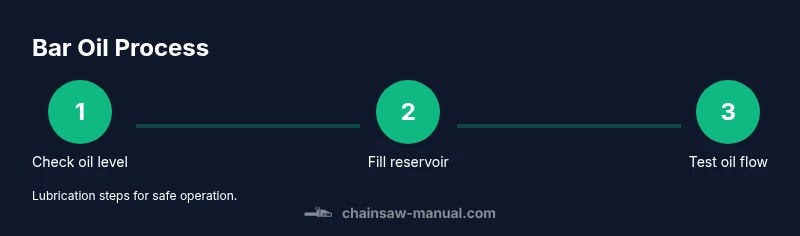
Stop the saw immediately and engage the chain brake. Let the engine cool for a moment, then power off and remove the spark plug cap only when the saw is fully stopped and cool. Check the oil reservoir; refill with manufacturer-recommended bar oil to the specified full line. Inspect the bar groove and oil feed hole for blockages or wear and clean as needed. Reinstall the bar cover securely and run the engine briefly at idle to verify oil is reaching the bar before resuming work. If oil still isn’t reaching the bar after these steps, do not operate the saw; seek professional service. This sequence minimizes heat buildup and protects both the bar and chain from costly damage.
Preventive maintenance and routine checks
Establish a simple pre-cut checklist that includes oil level verification, oil hose and feed hole inspection, and a visual check of the bar groove for glazing or debris. Clean the oil passages whenever you remove the bar cover, and replace any worn gaskets to prevent leaks. Use only bar oil recommended by the manufacturer, and store oil in a cool, dry place away from direct sunlight to maintain viscosity. After each use, wipe down the saw to remove sap and dust, which can clog oil passages. Regular maintenance extends the life of the lubrication system and reduces the likelihood of dry-running incidents on the job site. By sticking to a routine, you’ll minimize downtime and keep performance consistent across cutting tasks.
Choosing the right bar oil and lubrication system care
Select bar oil that matches the climate and workload of your cutting tasks. In cold conditions, thinner oil flows more easily, while in hot weather, a heavier, tackier formula helps keep oil on the bar longer. Always follow the manufacturer’s guidance for viscosity and additives; avoid using engine oil or automotive lubricants, which can degrade seals and clog passages. Keep the reservoir cap clean and tight to prevent contamination, and periodically inspect the oil pump and feed line for cracks or leaks. Proper storage and handling of bar oil—out of direct sunlight and away from heat sources—preserve its performance. A well-chosen oil and a clean lubrication pathway are the foundation of safe, efficient operation.
Common myths and safety reminders
Myth: You can push a dry bar a little longer to finish a cut. Reality: This causes excessive heat and increases the risk of kickback and bar wear. Myth: Any oil can work for lubrication. Reality: Only oil designed for chainsaw bars provides the right tackiness and viscosity. Myth: Oil spills don’t matter. Reality: Spills create slip hazards and attract debris that can clog passages. Safety reminder: Always wear PPE, keep bystanders clear, and never operate a saw with compromised lubrication. This section reinforces why following official guidelines protects you and your equipment.
Real-world scenarios and troubleshooting
Scenario: You’re in the middle of a cut and notice reduced oil on the bar. Stop, refill with the correct bar oil, and inspect the feed path for obstructions. If the problem recurs after refilling, test the oil pump by running the engine briefly and checking for oil at the bar tip. If there’s no oil reaching the bar after several checks, consult the service manual or a qualified technician. Real-world practice shows consistent preventive maintenance reduces downtime and extends tool life.
Authority sources
- OSHA Chainsaw Safety: https://www.osha.gov/SLTC/chainsaw/
- NIOSH Chainsaw Safety: https://www.cdc.gov/niosh/topics/chainsaw/
- OSHA 1910.266 (Logging operations) guidance: https://www.osha.gov/laws-regs/regulations/standardnumber/1910/1910.266
Tools & Materials
- Bar oil (manufacturer-recommended viscosity)(Choose oil compatible with your saw and climate; fill to the full line.)
- Chainsaw(Ensure the saw is off, cooled, and chain brake engaged before maintenance.)
- Funnel or pour spout(For clean filling of the reservoir and minimizing spills.)
- Rags or shop towels(Use to wipe spills and clean oil passages.)
- Safety gear (gloves, goggles, and hearing protection)(Protect hands, eyes, and ears during inspection and maintenance.)
- Owner’s manual or lubrication guide(Refer to model-specific lubrication guidance.)
Steps
Estimated time: 20-40 minutes
- 1
Stop and check oil status
Power off the saw, engage the chain brake, and locate the oil reservoir. Remove the cap and inspect the oil level; fill with manufacturer-recommended bar oil to the full line if needed.
Tip: Always ensure the cap is sealed tightly after refilling to prevent leaks. - 2
Inspect the bar and chain for wear
Look for signs of glazing, discoloration, or burrs along the bar groove and chain. Any obvious damage means you should stop and address issues before resuming work.
Tip: Use a bright flashlight and run a gloved finger along the groove to feel rough spots (do not force the chain). - 3
Clean oil passages and filter
Remove the bar cover and clean the oil feed hole, filter, and any passageways. Clear debris that could block oil flow before testing.
Tip: Avoid metal tools that could scratch passages; use a soft brush. - 4
Test lubrication after refilling
start the saw and run briefly at idle; observe whether oil appears on the bar. If oil does not reach the bar, stop and re-check fittings and hose for leaks.
Tip: Do not rev the engine under load during the check. - 5
Perform a brief field test
Make a light cut and observe oil streaming from the bar tip. If oil remains absent, discontinue use and troubleshoot further.
Tip: Document symptoms to assist a technician if needed. - 6
Schedule ongoing checks
Create a maintenance cadence: daily oil level checks, weekly passage cleanouts, and periodic hose inspection.
Tip: Keep a small checklist in your saw case for quick reference. - 7
Consult a professional if damage is suspected
If you notice persistent oil flow issues, heat, unusual noises, or abnormal bar wear, stop and seek service rather than continuing to cut.
Tip: Avoid attempting makeshift fixes that could compromise safety.
FAQ
Is it safe to operate a chainsaw without bar oil to finish a cut?
No. Operating without bar oil dramatically increases heat, wear, and kickback risk. Stop immediately and refill before continuing.
No—do not operate a chainsaw without bar oil. Stop and refill, then test oil flow before proceeding.
How can I tell whether oil is circulating properly?
Look for oil on the bar during a brief run, listen for a smoother chain, and feel for consistent bar temperature. If you don’t see oil, troubleshoot the pump path and seals.
Check for oil being visible at the bar during a quick test run and feel for a cooler bar.
What oil should I use for bar lubrication?
Use bar oil recommended by the saw manufacturer. Avoid engine oil or other lubricants that can degrade seals or clog passages.
Stick to the manufacturer’s bar oil recommendations for best performance.
What if the oil runs low during cutting?
Safely stop, refill, and inspect for leaks or clogs before resuming. If problems persist, seek professional service.
If oil runs low, stop and fix the lubrication path before continuing.
How often should I perform lubrication maintenance?
Check oil level before each use, inspect the feed path weekly, and service the pump per the manual’s schedule.
Check oil and inspect the lubrication path before every use.
Are there myths about bar oil that I should ignore?
Yes. Don’t assume any oil can substitute; use proper bar oil and follow the manual. Myths can lead to unsafe operation.
There are myths—use the recommended oil and follow the manual for safety.
Watch Video
The Essentials
- Check bar oil before every cut
- Do not operate with suspected oil flow problems
- Use manufacturer-recommended bar oil
- Regularly clean oil passages and verify the pump
- Address wear or leaks with professional service
- Maintain a simple maintenance routine for reliability