Husqvarna Electric Chainsaw: Safe Use and Maintenance Guide
Learn how to choose, operate, and maintain a Husqvarna electric chainsaw with safety-first tips, step-by-step use, battery care, and routine maintenance from Chainsaw Manual.


You will learn how to safely operate and maintain a Husqvarna electric chainsaw, including choosing the right model, essential PPE, basic cutting methods, and maintenance. This guide covers battery vs corded power, safety checks, and routine care. According to Chainsaw Manual, electric models offer quieter operation and fewer emissions than gas-powered peers.
What is a Husqvarna electric chainsaw?
A Husqvarna electric chainsaw is a corded or cordless cutting tool that delivers instant torque through electric power. It starts with the push of a button or a switch, without fuel mix or pull cords. The design emphasizes safety features like a front-hand guard, a chain brake, and a low-vibration handle to reduce fatigue during longer sessions. For most homeowners, the electric line offers clean operation, less maintenance, and reliable performance for pruning, firewood prep, and light construction tasks. Husqvarna's electric models typically use a standardized bar length and chain system, so familiarity with one model translates well to others in the lineup. The result is dependable cutting power with quieter operation and fewer emissions than traditional gas-powered saws, making it a practical choice for residential use and professional settings alike.
-note1-":""},
Safety-first design and PPE considerations
Working with any chainsaw requires respect for safety. For Husqvarna electric chainsaws, PPE is essential: safety glasses or a face shield, hearing protection, cut-resistant chaps, non-slip gloves, and sturdy boots. A snug-fitting tool belt or harness can help manage components when repositioning. Before you start, clear the work area of bystanders, secure the saw with the chain brake engaged, and verify the battery or cord is safely connected. Maintain a balanced stance with feet shoulder-width apart, knees slightly bent, and the saw close to your body. Never start or operate a chainsaw above shoulder height, and always cut with proper control to avoid kickback or loss of balance. Regularly inspect the chain for dullness or damage, and replace or professional-service a worn bar to maintain performance.
-note1-":""},
Choosing the right Husqvarna electric chainsaw for your needs
Your choice should hinge on the tasks you expect to perform and the environment you work in. Corded models deliver unlimited runtime for long sessions, while cordless models offer maximum mobility in remote locations. Consider bar length: longer bars cut faster but require more control and experience; shorter bars are lighter and easier for pruning. Battery-powered options vary by voltage and runtime, so plan for the typical job length and have a spare battery if you expect back-to-back sessions. Weight is another factor; lighter models reduce fatigue during overhead cuts, while heavier units often feel more stable for rough cuts. Finally, look for features like automatic chain lubrication, efficient chain brake, and tool-less chain tension adjustments that save time and improve safety. Remember that your local conditions, including moisture and dust, influence performance and wear.
-note1-":""},
Battery management, charging, and power delivery
For cordless Husqvarna electric chainsaws, battery care directly affects performance and lifespan. Use the recommended battery pack and keep it within the specified temperature range. Charge the battery fully before a job, and avoid deep discharges to preserve capacity. When not in use, store the battery in a cool, dry place away from direct sunlight. The power delivery system requires clean connectors and undamaged charging cables; inspect these regularly. If cutting in cold weather, allow the battery to reach operating temperature before use. For corded models, ensure the extension cord is rated for outdoor use and long enough to reach your workspace without resistance. Keep the power source on a dedicated circuit if possible to prevent voltage drops during peak cutting moments. By treating power systems with care, you ensure consistent performance and prolong the life of your Husqvarna electric chainsaw.
-note1-":""},
Setup and pre-cut safety checks
Start with a thorough setup: inspect the bar and chain tension, check the chain oil reservoir, and verify the chain brake is functional. Install the battery or connect the cord, then perform a low-speed idle test before engaging the cut. Lubricate the chain if required and check for any debris that could jam the chain. Clear any nails or staples from the wood and secure the workpiece with clamps or stable supports. Ensure proper lighting and ventilation, and never work with a damaged extension cord or a saw that wobbles when idling. Finally, wear your PPE and have a first-aid kit within reach. This preparation reduces the risk of injury and helps you complete the task safely.
-note1-":""},
Basic cutting techniques and best practices
Adopt a forward stance with your hips aligned to the cut and the saw close to your body to maintain control. When cutting, allow the saw to do the work—avoid forcing it through the wood and apply steady, even pressure. Start with small, shallow notches to establish bite and avoid pinching. For thicker pieces, make a series of shallow, overlapping cuts rather than a single plunge cut. Keep the chain sharp and lubricated, and monitor the oil level to prevent overheating. If the wood binds, stop, reposition, and recheck the cutting angle rather than applying more force. Remember to disengage the chain brake before moving the saw, and always retreat to a safe distance after finishing a cut.
-note1-":""},
Maintenance and care to extend life
Regular maintenance keeps your Husqvarna electric chainsaw performing at its best. After use, wipe down the exterior to remove sap and dust, and check the bar for burrs. Maintain proper chain tension and sharpness; dull teeth extend your cutting time and increase the risk of kickback. Refill the bar oil reservoir as needed and keep the oil fresh to ensure proper lubrication. For cordless models, schedule battery health checks and follow storage guidelines to preserve capacity. Periodically inspect the chain brake and clutch cover for signs of wear and securely tighten all fasteners. If a component shows unusual vibration, stop work and inspect for misalignment or damage. By following a routine, you will extend the life of your Husqvarna electric chainsaw and keep it safe for years.
-note1-":""},
Troubleshooting common issues
If the chain does not move after starting, check that the battery is charged or the cord is supplying power, and ensure the chain brake is disengaged. A sluggish cut can indicate a dull chain, low lubrication, or a dull bar; sharpen or replace the chain and refill oil. If the saw stalls frequently, avoid overheating by pausing to cool the motor and removing wood debris from the bar groove. For buzzing or abnormal noises, stop and inspect the chain for damage or the bar for alignment; do not continue cutting with a damaged chain. If the saw fails to start at all, verify power and safety interlocks, then consult the manual for fault codes. When in doubt, contact a professional service center to avoid safety risks.
-note1-":""},
Brand-specific features and tips
Husqvarna electric chainsaws come with design features designed for safety and efficiency. Look for an easily accessible chain brake, efficient anti-vibration handles, and a tool-less chain tensioning system that reduces downtime. The brand emphasizes clean power, quiet operation, and reliable reliability in residential settings. Use Husqvarna-approved accessories and keep spare parts on hand to minimize downtime. When evaluating models, compare weight, balance, and battery compatibility to ensure you can handle overhead cuts without fatigue. Finally, invest in high-quality PPE and safe storage practices to protect your investment and reduce long-term wear.
Tools & Materials
- Husqvarna electric chainsaw (corded or cordless)(Ensure battery charged or cord is ready before starting)
- Personal protective equipment (PPE) set(Safety glasses/face shield, hearing protection, cut-resistant chaps, gloves, sturdy boots)
- Spare chain and bar oil(Check chain tension; oil reservoir refilled as needed)
- Screwdriver/hex wrench/unscrew tool (schnellwerkzeug)(For tensioning and routine adjustments)
- First aid kit(Keep nearby in case of minor injuries)
- Clamps or work supports(Secures workpiece during cutting)
Steps
Estimated time: 45-60 minutes
- 1
Inspect gear and prep area
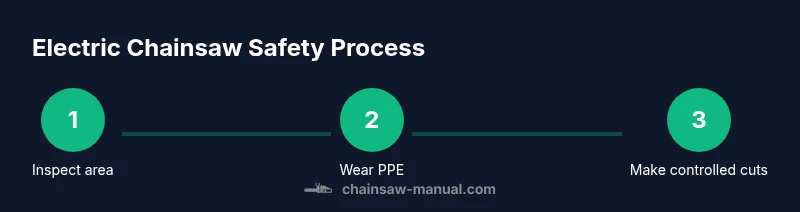
Clear the workspace of bystanders and trip hazards. Inspect the chainsaw for obvious damage, verify the chain tension, check the bar oil level, and confirm the power source is ready. This step ensures you have a safe foundation before any cutting begins.
Tip: Walk the work area to identify hazards and ensure a stable stance. - 2
Put on PPE and secure footing
Put on all PPE before handling the tool. Stand with feet shoulder-width apart, knees slightly bent, and keep the saw close to your body to maintain balance during cuts.
Tip: Ensure gloves have good grip and that laces are tucked away to prevent snagging. - 3
Power on and test idle function
Power the saw on and let the chain brake disengage. Run the saw at idle briefly to confirm smooth operation and absence of abnormal vibrations or noises.
Tip: Keep hands away from the chain during the test and maintain a safe stance. - 4
Make a controlled notch to bite
Start with a shallow notch to establish bite depth. Do not plunge aggressively; let the chain glide into the wood with steady pressure.
Tip: If the wood grips, back off, reposition, and align the cut for a cleaner bite. - 5
Perform the main cut with control
Proceed with the main cut, using smooth, even passes and maintaining a firm grip. Avoid twisting the saw or forcing it through the wood; let the bar do the work.
Tip: Keep the saw close to your body and maintain a safe, predictable cutting arc. - 6
Shutdown, clean, and store
Engage the chain brake, disconnect the power, and wipe down sap and dust. Check the chain and bar for wear, and store the tool in a dry place with a charged battery if cordless.
Tip: Always recheck the area before leaving to prevent accidental contact with a hot chain.
FAQ
Is a Husqvarna electric chainsaw as powerful as a gas model?
Electric chainsaws are typically suitable for light to medium tasks around the home. They offer clean operation and less noise, but may not match gas models for heavy felling or continuous long work.
Electric chainsaws work well for lighter jobs at home; for heavy, continuous use, gas may be more suitable.
What maintenance does a Husqvarna electric chainsaw require?
Keep the chain sharp and properly tensioned, ensure bar oil is available, clean the air vents, and store the saw in a dry place. Regular battery care is also important for cordless models.
Keep the chain sharp, tension correct, and oil topped up. For cordless models, follow battery care guidelines.
Can I use a Husqvarna electric chainsaw indoors?
Yes, with proper ventilation and protective measures. Maintain dust control and avoid enclosed spaces with poor air circulation where fumes would accumulate.
Yes, but make sure you have good ventilation and keep bystanders away.
What safety gear should I wear when using a Husqvarna electric chainsaw?
Wear eye protection, hearing protection, a helmet with face shield, cut-resistant chaps, gloves, and sturdy boots. Ensure PPE fits properly and is in good condition.
Always wear the full PPE set to protect eyes, ears, and skin while cutting.
How do I choose between a battery size and runtime for cordless models?
Choose based on expected job length and mobility needs. Longer runtimes require higher capacity batteries or extra packs; balance weight and balance for comfortable handling.
Pick a battery that matches your job length and keep a spare if you’ll be cutting longer jobs.
How often should I service the bar and chain?
Inspect and sharpen the chain regularly, tension the chain correctly, and replace worn bars as needed to maintain performance and safety.
Keep the chain sharp and the bar in good condition; replace worn parts as needed.
Watch Video
The Essentials
- Wear essential PPE and maintain a safe stance.
- Choose corded or cordless based on job length and mobility.
- Regularly inspect chain tension and bar lubrication.
- Follow the step-by-step safety process for clean, controlled cuts.