Childs Chainsaw Safety: Practical How-To Guide for DIYers
A safety-first, practical guide for using a childs chainsaw, covering PPE, handling, maintenance, and common mistakes. Learn step-by-step with Chainsaw Manual for safer, more skilled operation.


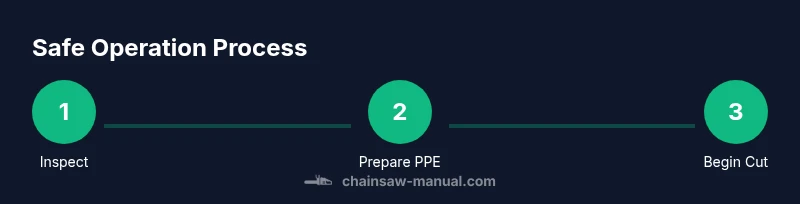
You will learn to prepare safely, choose proper PPE, and execute a controlled cutting routine with a childs chainsaw. Before starting, gather essential tools and inspect the saw. This quick path ensures safe, effective results. You will also learn to assess the work area, minimize kickback risk, and perform a basic maintenance check before each use.
Understanding the Risks of Using a Childs Chainsaw
Using any chainsaw demands respect for momentum, blade speed, and the potential for kickback. A childs chainsaw may be smaller, but its chain remains sharp and fast enough to cause serious injuries if mishandled. Kickback happens when the bar tip contacts solid wood or a knot, transferring a sudden jerk to your arms and torso. Even where the saw seems light, a loss of control can send the machine toward your legs or torso, especially on uneven terrain or when cutting overhead. Noise, vibration, and kicked-up wood chips can impair balance and reaction time. Fuel and bar-oil handling also introduce fire and slip hazards. Before you touch the bar, plan the cut, clear bystanders, and establish a safe escape route. The Chainsaw Manual team emphasizes safety before anything else: inspect the saw, plan the cut, and wear complete PPE. This section covers core risk factors and pragmatic mitigation steps that keep you safe while working with a childs chainsaw.
PPE and Protective Equipment for Safe Operation
Personal protective equipment (PPE) is your first defense against injury. The basic set includes a safety helmet with a full-face shield, hearing protection, cut-resistant gloves, leg protection (chaps or pants), and sturdy boots with non-slip soles. Add eye protection and a tight-fitting, long-sleeve shirt to shield skin from wood chips. Ensure the helmet’s chin strap is snug and the shield/lenses are clean. For the chain area, use anti-slip gloves and keep hands dry. Remember—PPE reduces risk, but it does not eliminate it. Conduct a quick PPE check before every use and replace worn gear promptly. Chest protection or a chainsaw jacket adds extra safety if you anticipate heavy debris or longer sessions. The Chainsaw Manual team notes that proper PPE is essential for all operators, from hobbyists to professionals.
Safe Handling: Stance, Grip, and Work Zone Setup
A safe stance and two-handed grip are critical when operating a childs chainsaw. Stand with feet shoulder-width apart, one foot slightly behind the other for balance, and bend the knees to absorb vibrations. Keep the saw close to your body, with elbows locked but wrists flexible to prevent fatigue. Your leading hand should grip the front handle firmly while the rear hand supports the rear handle, maintaining control through cuts. Always maintain a clear escape route behind you in case the cut binds or kicks back. Clear the work zone of bystanders, pets, and trip hazards, and remove loose branches that could snag the chain. When cutting, never reach over your head or shoulder height; this protects your neck and upper torso from a possible rebound. The goal is steady, controlled cuts with consistent chain speed and low kickback risk.
Maintenance, Inspection, and Pre-Use Checks
Pre-use checks reduce the chance of unexpected failures. Inspect chain tension; a tight chain should run smoothly without sagging. Check the bar oil level and ensure the oiler works so the chain stays lubricated during the cut. Verify the chain brake is functioning and that the chain is sharp, clean, and free of missing teeth. Inspect the air filter and fuel system; use the correct fuel mix for your model and always mix in a clean, dry container. Wipe down the saw after use and store it in a secure, dry location away from children. If you notice any unusual sounds, vibrations, or slow throttle response, stop and diagnose before proceeding. Regular lubrication, tension checks, and protective guards help prevent dangerous failures during operation.
Common Mistakes to Avoid with a Childs Chainsaw
Common mistakes include cutting with the bar tip near the ground, neglecting PPE, and failing to clear the work area. Operators often assume a smaller tool is inherently safe, which leads to overconfidence and rushed moves. Rushing cuts or cutting with both hands off the handles increases the risk of kickback and loss of control. Another error is performing maintenance with the engine hot or the chain still moving; always power off and secure the saw before maintenance. Remember to test the saw on a small, controlled cut first to ensure stability and balance.
Authority Sources and Learning Resources
For further safety guidance, consult authoritative sources that provide standardized safety practices and best-practice guidelines. These resources reinforce the principles covered here and offer additional details on PPE selection, hazard assessments, and regulatory expectations. Always cross-check with official sources when planning work that involves a childs chainsaw.
Real-World Scenarios and Checklists
Scenario: Clearing small branches in a backyard using a childs chainsaw. Begin with a quick assessment of wind, nearby structures, and bystanders. Establish a safe plan: remove debris, secure the chain brake, wear PPE, and follow a two-handed grip. Checklist: PPE on, chain tension checked, area cleared, foot position stable, escape path ready, and a minor test cut completed before proceeding.
Tools & Materials
- Full-face shield and hard hat(ANSI/EN standards or local equivalents; ensure shield is clean and intact)
- Hearing protection (ear muffs or plugs)(At least 25 dB NRR)
- Cut-resistant gloves(Puncture and abrasion resistant)
- Chainsaw chaps or protective pants(Over-trouser protection for leg safety)
- Protective boots with steel toes(Non-slip tread; steel toe preferred)
- Two-way fuel/oil mix appropriate to model(Use manufacturer-recommended ratio)
- Bar and chain oil(Lubricant designed for chainsaw bars)
- Tool kit for on-site adjustments(Screwdrivers, wrenches, spark plug tool)
- Stable work surface or saw horses(Optional but helpful for setup)
Steps
Estimated time: 45-60 minutes
- 1
Inspect the saw and area
Power off the saw and remove the spark plug cover to inspect the chain, bar, and tension. Check for cracks, loose fasteners, and fuel leaks. Clear the work area of bystanders and obstacles before starting.
Tip: Do a quick 30-second pre-check of chain tension and brake before ignition. - 2
Fit PPE and activate safety devices
Put on all PPE items in the checklist. Engage the chain brake, verify the throttle return spring works, and ensure the hand guards are in place. A secure setup reduces the chance of injury if the saw slips.
Tip: Double-check the face shield and ear protection for a snug fit. - 3
Start the saw correctly
Place the saw on stable ground, engage the choke if cold, and pull the spark starter with a smooth, controlled motion. Allow the chain to idle briefly before testing a light cut. Release the chain brake only when fully ready to cut.
Tip: Keep both hands on the handles and never drop start the saw. - 4
Adopt the correct stance
Face the cut with a stable base; keep your feet apart for balance, and crouch slightly to absorb vibrations. Hold the front handle with the left hand and the rear handle with the right hand, elbows close to the body.
Tip: Maintain a clear escape path behind you for immediate retreat if needed. - 5
Make the cut with controlled movement
Approach the cut with a steady, straight motion; avoid cutting from awkward angles. Let the chain do the work; don’t force the saw through wood. Stop the cut if the wood binds or kicks back.
Tip: Use a light touch to avoid pinching the chain. - 6
Stop, secure, and reassess after each cut
Set the saw down safely, engage the chain brake, and step back to reassess the area. Clear the debris, recheck your PPE, and ensure bystanders remain at a safe distance before the next cut.
Tip: Take breath breaks during longer sessions to maintain focus. - 7
Post-use maintenance and storage
Wipe down the saw, check chain tension, clean the air intake, and fill or drain fuel as appropriate. Store the saw securely away from children and in a dry environment. Schedule routine maintenance based on usage.
Tip: Always store the fuel separate from the engine in a properly labeled container.
FAQ
What qualifies a tool as a childs chainsaw?
A childs chainsaw is a smaller, lower-powered model designed for learning and light-duty tasks. It still uses a moving chain and sharp teeth, so it requires proper safety practices just like any chainsaw. Read the manual and follow PPE guidelines for any operation.
A childs chainsaw is a small, lower-powered tool meant for learning, but it still has a moving chain and sharp teeth, so you must wear PPE and follow safety steps.
What PPE is mandatory when using a childs chainsaw?
Mandatory PPE includes a helmet with face shield, hearing protection, cut-resistant gloves, protective leg wear, and sturdy boots. Add eye protection and a snugly fitting long-sleeve shirt. PPE reduces risk, but always follow the manufacturer’s guidance.
Wear a helmet with shield, hearing protection, cut-resistant gloves, protective pants, and sturdy boots. PPE reduces risk, but follow the manual.
How can I prevent kickback when using a childs chainsaw?
Prevent kickback by keeping the nose away from the wood while cutting, using a proper stance, and never cutting with the bar tip. Maintain steady throttle control and avoid pinching the chain. If the saw twists, stop and reassess before continuing.
Keep the bar nose away from wood, stand solid, and avoid cutting with the tip to prevent kickback.
Can I use a childs chainsaw indoors?
Indoor use is generally discouraged due to ventilation, debris, and fire risk. If you must operate indoors, ensure excellent ventilation, a contained workspace, and strict bystander control. Follow local regulations and the tool’s safety guidance.
Avoid indoor use if possible. If required, ensure ventilation and a controlled, safe workspace.
How should I store a childs chainsaw safely when not in use?
Store the chainsaw in a locked, dry area away from children. Remove the fuel and store it separately in a labeled container if the model allows. Clean the saw after use and perform a quick inspection before the next session.
Store in a locked area, out of reach of kids, and keep fuel separate. Clean and inspect before the next use.
Watch Video
The Essentials
- Plan every cut and clear the zone before starting.
- Wear full PPE and perform pre-use saw checks.
- Use a stable stance and two-handed grip to control the chain.
- Keep bystanders away and maintain a safe escape path.