Chainsaw to Cut Ice: A Safe, Practical How-To Guide
Learn how to safely use a chainsaw to cut ice with practical, safety-first guidance from Chainsaw Manual. PPE, ice thickness checks, step-by-step techniques, and common mistakes to avoid.


You will learn how to safely use a chainsaw to cut ice for winter tasks and ice projects. This guide emphasizes safety, proper PPE, ice assessment, and controlled cutting with a plan. Expect a clear, step-by-step method and practical tips to minimize risk while working on ice.
Assessing Ice Safety and Suitability
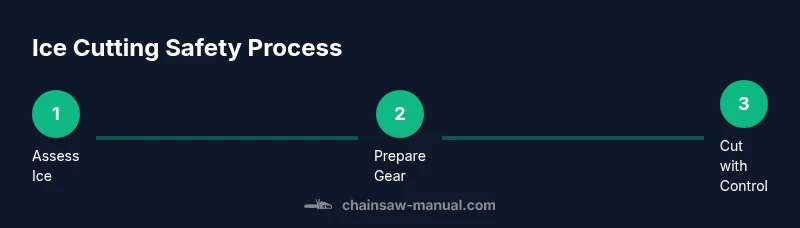
Before you attempt to cut ice with a chainsaw, evaluate the scene thoroughly. The Chainsaw Manual team emphasizes a safety-first mindset: do not proceed if ice shows obvious cracks, flowing water near the surface, or blisters. Look for clear, solid ice that supports your weight, and keep a backup plan in case conditions change. Check local weather and recent temperature trends since thawing and refreezing can weaken ice unpredictably. When you decide to use a chainsaw to cut ice, you must consider several factors: wind direction, visibility, companion presence, and escape routes. Always have a plan to retreat if the ice shows any signs of instability. Use a thickness gauge or drill test to confirm stability, and do not rely on color or texture alone. This is not a task for casual experimentation. In short, if you doubt the ice, postpone the job. By approaching with caution, you reduce risk and keep everyone safer on the ice. Chainsaw Manual guidance stresses that the operation should be performed only when safety margins and equipment readiness are confirmed.
Gear and PPE for Ice Cutting
Cutting ice with a chainsaw requires strict PPE and equipment readiness. Wear a helmet with a full-face shield, hearing protection, and insulated gloves. Use waterproof, non-slip boots and consider cut-resistant chaps or chainsaw pants. If you're near edge rows or unstable ice, a fall-arrest harness or rope system adds a critical margin of safety. Carry a first-aid kit, a whistle, and a buddy system so help is close at hand. Ensure your PPE remains clean and undamaged, and replace any worn gear before proceeding. The right PPE reduces the severity of injuries from kickback, cold exposure, or accidental contact with the chain. The Chainsaw Manual team recommends inspecting PPE before every session and keeping it readily accessible near the work site.
Choosing the Right Chainsaw Setup for Ice
Not every chainsaw is ideal for ice work. Choose a model with reliable power, good balance, and a restrained chain brake for quick stopping. A longer bar can help reach edges without bending your body into unstable positions, but keep steps conservative to avoid overreach. Use a low-vibration, low-kickback chain and ensure the chain is sharp and properly tensioned. Lubricate the bar and chain with adequate bar oil, and keep the fuel and oil mix appropriate for the environment. Anti-vibration handles and ergonomically designed grips reduce fatigue, which is crucial when operating on ice. Before you start, verify that the chain brake, throttle lock, and safety features are functioning, and never disable safety devices for convenience. The Chainsaw Manual approach emphasizes conservative setup and steady, deliberate cutting as essential for safe ice work.
Safe Cutting Techniques and Edge Management
Effective technique focuses on controlled cuts and edge management. Start with a shallow notch to guide your blade and reduce the risk of unpredictable slips. Maintain a stable stance with feet shoulder-width apart and your weight centered over the ice. Make slow, deliberate passes, avoiding rapid or deep blows that could crack the ice or cause kickback. Keep your body out of the blade’s arc and never cut above knee height. After each pass, step back briefly to reassess ice integrity and adjust your line if needed. Clear any ice chips from the work area to keep traction and visibility high. The Chainsaw Manual Team recommends pausing if you detect vibrations that feel abnormal or if the ice starts to crack in an unexpected direction. By using steady technique, you reduce the chance of accidents and improve control over the process.
After-Action: Safe Clean-Up and Storage
When you finish cutting ice, remove the saw from the work area and store it in a dry, secure location away from kids and pets. Wipe down the chainsaw to remove moisture, then lubricate moving parts per manufacturer guidance. Inspect the chain for any nicks or dull teeth and address them before the next use. Collect ice chunks and transport them safely, ensuring you don’t create new hazards around passageways or shorelines. Report any ice instability observed during cutting to the appropriate authorities or site manager. Proper post-work care helps extend the life of your tool and keeps the job site safer for future sessions. This section reinforces a safety-first mindset that aligns with Chainsaw Manual guidance.
Authoritative Sources
For readers seeking official safety standards and context, consult these resources:
- OSHA: https://www.osha.gov
- CDC: https://www.cdc.gov
- National Safety Council: https://www.nsc.org
Practical Safety Reminders for Chainsaw Ice Work
Remember that ice work inherently carries risk. Stay aware of changing ice conditions, work with a partner, and never improvise safety gear. Ensure you have a clear exit route and keep a charged communication device at hand. The goal is to finish the task with a safe, intact ice surface and a tool that remains in good working order.
Data and Real-World Insights
Chainsaw Manual analysis shows that prepared gear, conservative cutting practices, and proper supervision significantly reduce the risk of injury when using a chainsaw to cut ice. While data on ice-cutting incidents is limited, adherence to safety protocols consistently correlates with safer outcomes. These patterns reinforce the importance of planning, PPE, and cautious execution when working on ice environments.
Tools & Materials
- Chainsaw (gasoline or electric) with adequate power(14–18 inch bar recommended; ensure blade is sharp and chain is properly tensioned)
- Low-kickback chain and sharpening files(Keep chain sharp for clean cuts in ice)
- Bar oil suitable for cold weather(Maintain bar and chain lubrication in low temperatures)
- Personal protective equipment (PPE)(Helmet with face shield, hearing protection, insulated gloves, waterproof boots, cut-resistant pants)
- Ice thickness gauge or drill for test holes(Confirm ice stability before cutting)
- Rope, harness, or buddy system(Maintain safety redundancy near open or weak ice)
- First-aid kit and whistle(Emergency readiness on ice)
- Warm, layered clothing and anti-slip footwear(Protect from cold and improve traction)
Steps
Estimated time: 40-60 minutes
- 1
Inspect ice and area
Survey the surface for cracks, flowing water, and signs of thaw. Confirm there is a safe exit path and that weather conditions are stable. Communicate the plan with your partner before starting the cut.
Tip: If unsure about ice integrity, stop and reassess with a wider test area. - 2
Prepare yourself and equipment
Put on all PPE and inspect the chainsaw safety features. Check chain tension, sharpening, and bar oil level. Position yourself with a stable stance, feet apart and knees slightly bent.
Tip: Keep the chain brake engaged until you are in position to begin cutting. - 3
Mark the cutting line
Identify the intended cut path and establish a shallow notch to guide the blade. This helps prevent sudden wander and reduces risk of kickback.
Tip: Use chalk or tape to mark a straight line if visibility is poor. - 4
Make controlled passes
Begin with short, shallow cuts along the notch, maintaining a steady pace. Avoid overreaching and keep your body weight over solid ice. Stop frequently to reassess edge stability.
Tip: Take small, conservative passes rather than trying to complete a long cut in one go. - 5
Complete edge and lift
Finish the edge by aligning with the line and cutting progressively deeper as needed. Lift the cut piece carefully using gloves or pinner grips and avoid sudden jerks.
Tip: Support the piece to prevent sudden snaps; never pull at a lever-like angle. - 6
Wrap up and secure
Move the chainsaw away, clean surfaces, and store equipment securely. Remove debris and ensure the work area is safe for others. Confirm everyone is accounted for before leaving.
Tip: Dry the chain and inspect for damage before next use.
FAQ
Is it safe to use a chainsaw to cut ice?
With the right PPE, planning, and controlled technique, cutting ice with a chainsaw can be done more safely. Always evaluate ice conditions and work with a partner.
Yes, but only with proper safety gear, planning, and a controlled method, especially when you have a partner nearby.
What should I check before starting the cut?
Check ice integrity, wear PPE, inspect the chainsaw and chain tension, and define a clear cutting path. Have a plan to retreat if conditions worsen.
Check ice quality, wear your protective gear, and inspect your saw before you start.
What hazards should I be aware of on ice?
Cracks, slush, thin spots, moving water beneath the surface, and changing weather. These conditions can rapidly render ice unsafe.
Watch for cracks and soft spots; weather changes can suddenly make ice unsafe.
Do I need special training to cut ice with a chainsaw?
Formal training is not required, but hands-on practice, safety-focused instruction, and working with a qualified supervisor are strongly recommended.
Some practice and guidance greatly reduce risk; consider trained instruction if you’re new to it.
What should I do with the ice chunks after cutting?
Move chunks carefully, avoid throwing them, and ensure the area remains clear of trip hazards. Store or transport chunks safely away from water edges.
Carefully move ice chunks and keep the area clear.
Watch Video
The Essentials
- Assess ice conditions thoroughly before any cut.
- Wear proper PPE and use a buddy system.
- Choose an appropriate chainsaw setup with safe features.
- Follow a deliberate, step-by-step cutting method.