Chainsaw Safety Tips: A Practical, Safety-First Guide
Learn essential chainsaw safety tips for homeowners, DIY enthusiasts, and professionals. This safety-first guide covers PPE, pre-use checks, safe starting, cutting techniques, maintenance, and emergency readiness to prevent injuries and improve efficiency.


By following these chainsaw safety tips, you will prevent injuries and work more efficiently. This quick guide covers PPE essentials, pre-use checks, safe starting procedures, cutting techniques for control, and maintenance so you can handle common tasks with confidence today. According to Chainsaw Manual, consistent use of proper protective gear and disciplined routines saves time and prevents accidents.
Why Chainsaw Safety Tips Matter
Chainsaw work can be dangerous if safety tips are ignored. Even experienced operators are injured when fatigue, poor footing, or distractions take over. Following chainsaw safety tips reduces risk and helps you complete tasks more efficiently. This section sets the foundation: safety culture, personal responsibility, and predictable routines that keep you and others out of harm's way. Chainsaw Manual emphasizes that consistent safety practices save time and prevent serious injuries on the job. Plan each cut, assess the environment, and commit to protective gear before you start the engine.
Personal Protective Equipment (PPE) Essentials
PPE is your first line of defense. Wear a helmet with a face shield to protect eyes and face from flying chips, and use hearing protection to guard against prolonged noise exposure. Put on cut-resistant chainsaw chaps or pants, sturdy gloves, and steel-toed boots with good traction. Eye protection is essential even with a face shield. Ensure all PPE fits properly and remains comfortable during movement. PPE is not optional gear—it's a critical part of every cut. By prioritizing PPE, you reduce facial injuries, eye damage, and long-term hearing loss while maintaining comfort during prolonged work.
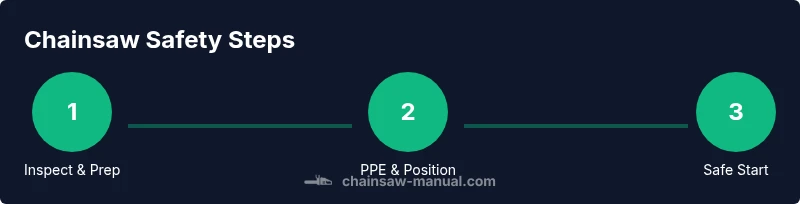
Pre-Use Inspection and Prep
A quick, structured check before each session helps catch problems early. Inspect the bar and chain for damage, ensure correct chain tension, and confirm the chain brake functions. Check fuel mix or battery charge, and verify bar oil flow. Clear the work area of trip hazards, plan escape routes, and ensure nearby helpers are at a safe distance. A deliberate prep routine reduces surprises when you start cutting and sets a professional tone for safe operation.
Safe Starting Procedures
Start the saw on the ground with the chain brake engaged and the engine idling at a low speed. Use the correct stance, keep both hands on the grip, and avoid starting in a crowded or elevated position. If using a cordless model, follow the same safety logic—hold the tool firmly, and initiate start according to the manufacturer’s instructions. Always keep bystanders clear and monitor kickback potential during startup. Safe starting prevents lurid surprises once the chain spins up.
Grip, Stance, and Felling Position
Adopt a balanced, shoulder-width stance with feet planted to absorb kickback forces and maintain control. Hold the saw with both hands, left hand on the front handle and right hand on the rear handle, thumbs around the handles. Keep the bar close to your body but not against it to avoid pinching the chain. Position your body to the cut so you can move away quickly if needed. A solid stance and proper grip reduce fatigue and improve maneuverability during challenging cuts.
Cutting Techniques for Control and Precision
Use smooth, deliberate cuts rather than forcing the saw. For most cuts, work with the saw's chain moving away from your body and maintain a wide, stable stance. Avoid cutting above shoulder height and never cut with the tip of the bar unless absolutely necessary and controlled to prevent kickback. Plan relief cuts for stress relief in larger logs and practice controlled throttle control to avoid sudden speed changes. Consistency in technique yields cleaner cuts and fewer hazards during the job.
Working with Debris and Kickback Hazards
Kickback is a leading cause of injury and is often triggered by the saw's tip contacting wood. Keep the tip away from your body and avoid striking the wood with the bar tip. Clear debris regularly to maintain visibility and control. Work with a partner when felling large trees, and ensure a clear retreat path is available. If debris builds up, stop cutting and remove it before continuing. Proactive management reduces surprises and keeps the worksite safe.
Chain Maintenance and Bar Care
Regularly sharpen the chain using proper files and maintain correct tension. Lubricate with bar oil, check sprocket condition, and replace if damaged. After use, clean the chain brake, dry the saw, and store with the chain covered. Inspect the sprocket and drive links, and avoid running the saw at full throttle without a load. A well-maintained chain reduces wear and improves control, saving time and preventing dangerous snags during long sessions.
Environmental and Worksite Safety
Consider weather, ground conditions, and the presence of other people. Wet or uneven ground increases slip risk; keep bystanders at a safe distance. Clear the work area of rocks, nails, and hidden obstacles that could snag the chain. Plan wind direction to minimize dust and debris affecting you or others. Use barriers or signage where appropriate, and ensure you have a reliable means of communication when working in remote locations. A well-organized site is the backbone of safe operation.
Authority Sources
For authoritative guidance on chainsaw safety, consult established safety agencies and official manuals. Key sources include OSHA and CDC/NIOSH materials on handling power tools and chainsaw risks, along with U.S. Forest Service safety recommendations. These references provide vetted information to supplement hands-on practice and formal training.
Emergency Response and First Aid Basics
Know how to respond quickly if an accident occurs. Stop the saw immediately, engage the chain brake, and move away from the saw. If there is bleeding, apply direct pressure with a clean cloth and seek medical help. Keep a phone or radio to call for assistance and have a basic first-aid kit on hand. Regular drills with your team can improve reaction times and reduce the severity of injuries.
Tools & Materials
- Chainsaw PPE kit(Helmet with face shield, hearing protection, cut-resistant chaps, gloves, sturdy boots)
- First aid kit(Include bandages, antiseptic wipes, and compresses)
- Backup fuel and chain oil(Spare fuel/oil for the saw and spare chain oil)
- Tool kit(Screwdrivers, scrench, spare chain, file gauge)
- Phone or two-way radio(Emergency contact device in case of remote work)
- Chainsaw(Serviced and inspected before use; chain brake functional)
- Bar oil(Ensure continuous lubrication during operation)
- Safety footwear(Sturdy boots with non-slip soles)
Steps
Estimated time: 60-90 minutes
- 1
Inspect the saw and site
Perform a quick pre-check of the chainsaw and the work area. Look for bar wear, damaged teeth, loose nuts, and ensure the chain brake functions. Evaluate terrain for stability and identify escape routes before you start.
Tip: If anything looks off, do not start the saw—address the issue first. A brief delay now prevents a major incident later. - 2
Don PPE and set posture
Put on all protective gear before handling the saw. Stand with a stable, athletic stance, feet shoulder-width apart, knees slightly bent. Keep your shoulders square to the work and your weight evenly distributed.
Tip: Ensure PPE fits well; ill-fitting gear can slip or restrict movement during a cut. - 3
Check fuel, oil, and chain tension
Confirm the fuel mix or battery charge, verify bar oil flow, and tension the chain so it pulls smoothly without sagging. A properly tensioned chain reduces derailment risk and improves cutting efficiency.
Tip: Use the correct tension method: pull the chain away from the bar and measure deflection with a finger‑width gap. - 4
Test-start and confirm safe idle
Start the saw with the chain brake engaged and the engine idling smoothly. Listen for abnormal sounds or vibrations. Confirm bystanders are out of the blast radius and maintain firm grip.
Tip: Keep your left hand on the front handle and your right hand on the rear handle during start. - 5
Position yourself and plan the cut
Choose a safe cutting path and establish your retreat route before making the cut. Align your body so you can move away quickly if kickback occurs. Identify the wood's grain direction and how it will affect the cut.
Tip: Think two steps ahead: what happens if the wood shifts or the branch binds? - 6
Make a controlled cut
Begin with a shallow, controlled cut using the saw’s body and avoid the tip. Maintain steady throttle, lean into the cut, and let the chain do the work. Pause if you hear pinging or feel unusual resistance.
Tip: Do not force the saw; let the blade work at its own pace to prevent pinching. - 7
Move position and reassess
Shift your stance and re‑evaluate the cut path after each pass. Keep your path clear of debris and never turn your body directly with the chain spinning.
Tip: Always have a clear exit; never cut behind you with the saw pointed toward your body. - 8
Shut down and secure after use
Engage the chain brake, switch off the engine, and wait for the chain to stop completely before setting the saw down. Clean the saw, re‑oil if needed, and store safely away from children.
Tip: Wipe down the saw to remove sap and debris; a clean tool lasts longer and runs cooler. - 9
Review safety practices and training
After each session, reflect on what went well and what could be improved. Schedule ongoing training and practice with a knowledgeable mentor if possible.
Tip: Document lessons learned to build a personal safety checklist for future jobs.
FAQ
What PPE is essential for chainsaw work?
At minimum, wear a helmet with a face shield, hearing protection, cut-resistant chaps or pants, gloves, and steel-toed boots with good traction. Eye protection is important even with a face shield. Ensure a proper fit for maximum protection.
Essential PPE includes a helmet with face shield, ear protection, cut-resistant pants, gloves, and sturdy boots with traction.
How do you prevent kickback when cutting?
Avoid cutting with the tip of the bar, keep the chain properly tensioned, and maintain a firm two-handed grip. Position yourself to retreat if kickback occurs and plan the cut path carefully.
Do not use the tip, keep a firm two‑hand grip, and plan an escape path in case kickback happens.
Is it safe to operate a chainsaw alone?
Whenever possible, have a partner or notify someone of your location. Use a phone or radio to call for help if needed and avoid working in isolated areas.
Work with a partner or inform someone where you are, and keep a communication device handy.
How often should the chain be sharpened?
Sharpen the chain whenever you notice dull cutting or increased resistance. Regular sharpening reduces strain on the saw and improves control during cuts.
Sharpen when cutting gets dull or resistance increases; it keeps control strong.
What should I do in an emergency?
Shut off the saw, engage the chain brake, move away from the tool, and call for help if there's serious injury. Apply first aid as appropriate and keep the patient still until help arrives.
Turn off the saw, step back, call for help, and start first aid if needed.
Watch Video
The Essentials
- Wear full PPE before every start.
- Inspect the saw and the worksite each time.
- Use a stable stance and controlled cuts for safety.
- The Chainsaw Manual team recommends ongoing training and strict safety discipline.