Chainsaw Safety Masterclass: Prevent a Chainsaw Massacre
Practical, safety-first chainsaw guidance to prevent accidents and avoid a chainsaw massacre. Includes PPE, pre-checks, safe cutting, maintenance, and emergency basics for homeowners and professionals.


Learn how to operate a chainsaw safely and effectively in real-world settings. This guide outlines essential PPE, pre-operation checks, safe cutting techniques, and maintenance routines to prevent serious injuries and avoid a chainsaw massacre. Follow the steps to build a safer workflow before each cut.
Why Safety Matters When Operating a Chainsaw
When you operate a chainsaw, a single lapse can lead to severe injury or, in extreme cases, a chainsaw massacre. According to Chainsaw Manual, a large portion of avoidable incidents stem from complacency rather than a fault in the tool. This section lays the foundation: safety is a skill you practice, not a one-off checklist. Homeowners and professionals alike reduce risk by committing to a safety routine before every cut, recognizing that the consequences of rushing a job can be catastrophic. The Chainsaw Manual team found that proactive planning, proper PPE, and disciplined technique dramatically lower the odds of a dangerous outcome on any job site.
Key Risks and How to Mitigate Them
Chainsaw use carries intrinsic risks, including kickback, sudden chain derailment, and fuel/oil mishaps. Chainsaw Manual analysis shows most injuries occur when operators skip prep, stack distractions, or lose footing. Mitigation starts with a clear work zone, a stable stance, and a plan for each cut. By understanding risk factors—kickback zones near bar tip, fatigue, and poor maintenance—you can adjust technique and environment to keep a safe distance from the saw’s chain arc. With the right mindset, you reduce the chance of a chainsaw massacre becoming a reality on your site.
Essential Personal Protective Equipment (PPE)
Dressing for safety is non-negotiable. The core PPE includes a hard hat with a face shield, hearing protection, cut-resistant chaps, sturdy gloves, and steel-toe boots. Eye protection should accompany a snug, non-slip grip and breathable, moisture-wicking clothing. The goal is to create a barrier between you and potential projectiles or debris. In practice, PPE is your first line of defense against injuries and a proven way to prevent a chainsaw-related incident that could feel like a chainsaw massacre in a moment of chaos.
Pre-Operation Checks and Safe Handling
Before starting the engine, walk the work area, check fuel/oil levels, inspect the chain tension, and confirm the chain brake is functional. Start the saw with the chain brake engaged and in a neutral stance, ensuring you have a strong two-handed grip. Verify bar and chain are sharp, lubricated, and free of cracks. These checks address common failure points and help prevent a chainsaw massacre caused by a malfunction or delayed reaction during a cut.
Safe Cutting Techniques and Common Mistakes
Adopt a stable stance: feet shoulder-width apart, non-dominant foot slightly back, weight balanced. Keep the saw close to your body, cut at waist height, and avoid overreaching. Never cut with the tip of the bar on the wood surface if kickback risk is high; use controlled, deliberate motions. Common mistakes include cutting above shoulder height, cutting with a loose grip, and ignoring kickback zones—each of which can multiply risk and lead to a dangerous accident that could feel like a chainsaw massacre in a split second.
Maintenance Practices to Prevent Accidents
Regular maintenance reduces the likelihood of tool failure. Clean the air filter, inspect the spark plug (where applicable), and ensure fuel/oil mix is correct for two-stroke engines. Keep the bar and chain sharp, tensioned correctly, and lubricated with the right oil. Periodic maintenance also includes checking safety features (chain brake, throttle lock) and replacing damaged components before they fail. A well-maintained saw is the best defense against unexpected events that could escalate into a dangerous situation resembling a chainsaw massacre.
Emergency Readiness and First Aid Basics
Know how to respond quickly if something goes wrong. Keep a stocked first aid kit accessible and have a charged phone nearby. Familiarize yourself with basic bleeding control and wound management techniques. If a kickback or chain issue causes injury, stop the saw immediately, secure the area, and call for medical help if needed. Preparedness minimizes damage and helps prevent a situation from spiraling into a chainsaw massacre scenario.
Creating a Safe Work Plan for Your Site
Develop a written plan before work begins: assess the site for hazards, designate a boundary, and identify escape routes. Establish communication signals with any helpers, ensure weather conditions are suitable, and schedule regular breaks to combat fatigue. A thorough safety plan reduces risk and helps keep every cut aligned with best practices, diminishing the chance of a chainsaw massacre on even complex sites.
Tools & Materials
- Helmet with face shield(ANSI-certified, full-face coverage)
- Hearing protection (ear muffs or plugs)(NRR 20 dB+ recommended)
- Cut-resistant chainsaw chaps(Leather or Kevlar, level 1 or higher)
- Steel-toe boots with non-slip sole(Ankle support recommended)
- Safety gloves(Anti-vibration if available)
- Eye protection (safety glasses)(Side shields preferred)
- Chainsaw oil and bar oil(For lubrication and chain tensioning)
- Spare chain and sharpening file(Keep sharp; dull chain is unsafe)
- Fuel mix appropriate for two-stroke(Follow manufacturer ratios)
- First aid kit(Include gauze and antiseptic)
- Fire extinguisher(Optional on dry days or large sites)
Steps
Estimated time: 60-90 minutes
- 1
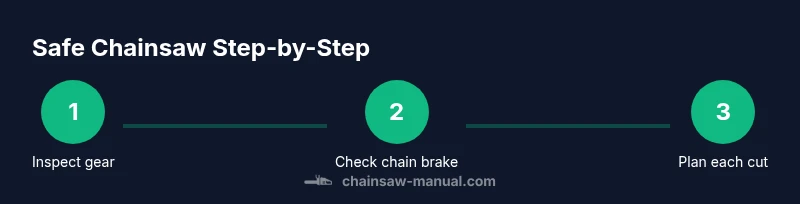
Inspect gear and environment
Clear the work zone, verify PPE is in place, and inspect the saw for damage. Confirm fuel/oil levels and wheel the saw into position with a stable stance.
Tip: If you notice cracks or loosened parts, stop and replace before proceeding. - 2
Check chainsaw condition
With the chain brake engaged, inspect chain tension, bar lubrication, and air filter. Ensure the chain brake functions and the chain is sharp.
Tip: A loose chain or dull chain increases the risk of kickback and injury. - 3
Position and start safely
Place feet shoulder-width apart. Hold the saw with a firm two-hand grip, apply the chain brake, and start the engine at a calm, controlled pace.
Tip: Never start the saw with the chain touching wood. - 4
Make planned cuts
Plan each cut, choosing the appropriate technique for the wood, branch size, and angle. Maintain a controlled slice, keeping the bar tip away from the wood surface when kickback risk is high.
Tip: Always maintain a two-handed grip and stable stance. - 5
Pause for fatigue
Take short breaks to prevent fatigue that can cause mistakes and reduce reaction time.
Tip: Hydration and rest improve focus and safety. - 6
Shut down and secure
After finishing a cut, apply the chain brake, allow the bar to stop, and transport the saw safely. Inspect for wear before storage.
Tip: Never leave a running saw unattended. - 7
Maintenance after use
Clean debris from the saw, check for damage, and lubricate moving parts as recommended by the manufacturer.
Tip: Regular maintenance reduces the chance of malfunction during critical moments.
FAQ
What are the essential PPE items for chainsaw use?
Key PPE includes a helmet with face shield, hearing protection, cut-resistant chaps, safety gloves, eye protection, and sturdy boots. These items dramatically reduce the risk of injury during chainsaw work.
Essential PPE includes helmet with face shield, hearing protection, cut-resistant chaps, gloves, eye protection, and sturdy boots to reduce injury risk.
How often should I inspect my chainsaw?
Inspect the saw before every use. Check chain tension, bar lubrication, air filter, and chain brake function. Regular checks prevent unexpected failures during work.
Inspect your chainsaw before every use, focusing on chain tension, lubrication, air filter, and the chain brake.
What should I do if the saw kicks back?
If kickback occurs, release the saw, step back, reassess grip, and restart with proper stance. Ensure the chain brake is engaged when not actively cutting.
If kickback happens, stop, step back, regain control, and resume with a safe stance and chain brake on.
Is it safe to operate a chainsaw alone?
Operating alone is possible with extra precautions, but having a partner can help in emergencies. Always establish a communication plan and keep a first aid kit accessible.
You can work alone if you take extra precautions, but a partner is safer in case of an injury.
What maintenance tasks should I perform after use?
Clean debris, check for wear, sharpen if needed, and lubricate moving parts according to the manufacturer. Proper maintenance reduces failure risk.
After use, clean, inspect, sharpen if needed, and lubricate the saw.
What signs indicate I should not use the chainsaw?
Visible damage to the bar or chain, unusual vibration, or any fluid leaks indicate you should stop and service the saw before continuing.
If you notice damage, excess vibration, or leaks, stop and service the saw before continuing.
What is the best way to plan a safe cut?
Assess the wood, plan escape routes, maintain a stable stance, and use a controlled cutting motion. A thoughtful plan reduces chance of accidents.
Plan the cut, keep a stable stance, and cut slowly and controlled to reduce risk.
What should I keep in my first aid kit for chainsaw work?
Include sterile dressings, antiseptic wipes, bandages, gauze, and a tourniquet if trained to use it. Quick access saves lives in emergencies.
Your kit should have dressings, antiseptic wipes, gauze, bandages, and a tourniquet if you’re trained to use it.
The Essentials
- Prioritize PPE and environment before every cut
- Inspect and maintain the chainsaw to prevent malfunctions
- Use proper cutting technique to avoid kickback
- Have emergency readiness and a plan in case of injury
- Document a safety plan for each job site