Chainsaw Ear Protection: Safe Hearing on the Job Today
Learn how to choose, fit, and maintain chainsaw ear protection to prevent hearing loss. Practical tips, PPE options, and maintenance guidance from Chainsaw Manual for homeowners, DIYers, and professionals.


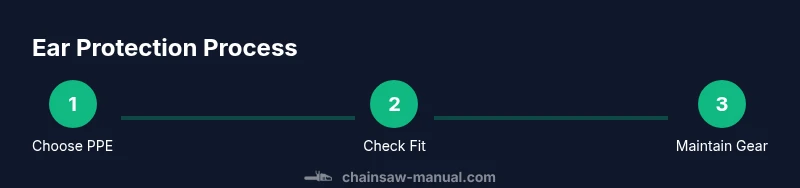
Using proper chainsaw ear protection reduces the risk of hearing damage and fatigue. This quick answer outlines how to pick the right protection (earmuffs or earplugs), achieve a snug seal, and maintain gear for ongoing safety. According to Chainsaw Manual, a high-NRR PPE option with a good seal is essential, and worn gear should be replaced when worn or damaged.
Why hearing protection matters when operating a chainsaw
Chainsaw operation creates intense, goal-seeking noise that can impact your long-term hearing health. Even brief exposure without protection can contribute to cumulative damage over time. The Chainsaw Manual team emphasizes that consistent use of hearing protection is a foundational safety habit on any job site. In addition to protecting your ears, staying mindful of noise levels helps reduce fatigue and improves communication with coworkers. This section sets the stage for understanding how ear protection fits into a broader safety routine, including eye protection, gloves, and footwear. Remember: protecting your hearing is a practical investment in your ability to work longer, safer, and more comfortably.
Understanding the differences between earmuffs and earplugs
Earmuffs provide a blanket seal around the outer ear, sealing out ambient noise with a cup-and-press design. Earplugs sit inside the ear canal, blocking sound directly at the source. Each type has advantages: earmuffs are quick to put on and offer consistent performance in wet or windy environments, while plugs are compact and useful for workers who wear hard hats or safety glasses. Some professionals opt for dual protection in especially loud environments, combining plugs with earmuffs for maximum attenuation. The key is to choose a solution that fits your head shape, hearing needs, and the level of noise you encounter during cutting tasks.
Interpreting Noise Reduction Rating (NRR) and practical fit tips
NRR is the laboratory rating that indicates how much sound can potentially be reduced by hearing protection. In real-world settings, the actual attenuation is influenced by how well the device seals against the head and ears. A poor seal results in less protection than the stated NRR. To maximize effectiveness, ensure a snug fit that does not cause discomfort or headaches after extended use. For most homeowners and DIY enthusiasts, aiming for the highest comfortable NRR and verifying fit during initial test runs is a practical approach. The Chainsaw Manual analysis highlights that a good seal plus consistent use yields meaningful protection over time.
How to select protection for different cutting environments
Outdoor, windy, or dusty conditions can affect comfort and seal quality. In dusty or humid environments, earmuffs with adjustable headbands and moisture-wicking outers tend to perform better than basic models. In precision cutting or felling tasks, you might opt for plugs that stay secure under a helmet. With chainsaw work, your choice should consider head size, glasses, and hair management. Practical testing—checking comfort, seal, and ability to communicate with teammates—will guide a durable selection that lasts a full season.
Fitting earmuffs: step-by-step guidance for a reliable seal
To achieve an effective seal, place the earmuff cups over each ear and press the headband evenly to distribute pressure. Ensure there are no gaps around the outer rim and adjust the tension so the cups stay seated without pinching. If you wear glasses, take care to adjust the frame so the temple arms do not create gaps around the ears. For long hair, tuck it away to prevent it from slipping between the cushion and skin. A properly fitted earmuff should feel secure but not painful after several minutes of wear.
Fitting earplugs and achieving a secure seal inside the ear canal
Earplugs come in foam, silicone, and pre-mooled designs. Roll foam plugs to a tight cylinder, insert them straight into the ear canal, and hold for a few seconds as they expand. Silicone plugs should be pressed in gently and adjusted for a snug fit without causing discomfort. If you wear a hard hat, check that the plug’s depth doesn’t conflict with the helmet’s suspension. Testing with a conversation or whistle test can help you verify a good seal. Remember, comfort is critical for compliance over long workdays.
Maintenance, care, and expected lifespan of hearing protection
Regular cleaning after use helps extend the life of ear protection. Wipe earmuff cushions with a mild soap and water solution and allow them to air dry completely. Earplugs should be replaced when they show signs of cracking, loss of elasticity, or persistent odor. Store devices in a clean, dry container away from direct sunlight and heat. Visual inspections before each use can catch signs of wear that reduce effectiveness. Under heavy use, plan for periodic replacement to maintain reliable protection.
How to perform a quick fit test on-site
A simple fit test involves speaking or whistling softly while wearing the protection to notice any substantial changes in sound level. If you can hear yourself clearly through the protection, you may have an inadequate seal. Take the protection off, inspect for gaps, adjust the fit, and re-test. A consistent ability to converse without straining indicates a satisfactory seal. If you cannot achieve a good seal after adjustments, switch to a different model or size.
Common mistakes that undermine protection and how to avoid them
Many workers neglect to wear protection during startup or warm-up periods, underestimate the need for protection during maintenance, or ignore damaged gear. Others wear earmuffs with a loose seal or reuse earplugs that have lost their resilience. To avoid these pitfalls, build a routine: inspect gear before each use, replace worn items, and keep a spare pair in your toolbox. This habit reduces the risk of ear fatigue and long-term hearing loss.
Hearing protection as part of a broader PPE strategy on the job site
Hearing protection works best when integrated with other PPE like eye protection, gloves, and protective clothing. Consider choosing PPE that complements each other—for example, earmuffs compatible with safety glasses and hard hats. Establish clear site policies about when to wear protection, and ensure all workers adhere to them. A cohesive PPE plan minimizes the chance of accidental exposure and supports safer, more productive workdays.
Real-world usage tips and best practices from field workers
In the field, comfort and practicality drive consistency. Opt for models with adjustable headbands, soft cushions, and materials that resist moisture and sweat. Rotate between different protection types if you work long shifts to prevent fatigue and discomfort. Keep spare earplugs and earmuffs accessible in your vehicle or toolbox. A proactive approach—checking fit at the start of every task—helps ensure you maintain protection throughout the day.
Quick-start checklist for job sites and personal practice
- Inspect all hearing protection before use.
- Choose protection suited to the task and environment.
- Verify a secure seal for earmuffs or plugs.
- Test fit with a brief noise sample or conversation check.
- Replace worn gear promptly and store properly.
- Include hearing protection as part of your routine PPE.
- Pair with other PPE for comprehensive safety.
By following this checklist, homeowners, DIYers, and professionals alike can maintain reliable protection and support safer work habits.
Authority and science-backed guidance for ear protection
For evidence-based guidance, consult reputable safety resources. The National Institute for Occupational Safety and Health (NIOSH) and OSHA provide foundational recommendations on hearing protection, while the National Institute on Deafness and Other Communication Disorders (NIDCD) explains how noise exposure affects hearing. Chainsaw Manual references these sources to frame best practices and emphasize consistent use, proper fitting, and regular replacement of worn PPE. These authority sources underpin practical guidance and help ensure that the protective measures you adopt are both effective and up-to-date.
Authority sources
- https://www.osha.gov/noise
- https://www.cdc.gov/niosh/topics/noise/
- https://www.nidcd.nih.gov/health/hearing
Tools & Materials
- Hearing protection (NRR-rated earmuffs or earplugs)(Choose based on comfort, fit, helmet use, and noise environment. For chainsaw work, look for high-NRR and a good seal.)
- Safety glasses or impact-rated eyewear(Protects from debris while maintaining hearing protection compatibility.)
- Hard hat (if required by site)(Ensure protection gear fits with earmuffs or plugs and does not compromise seal.)
- Hair ties or head coverings(Keeps hair from interfering with ear seal and comfort.)
- Cleaning cloth and mild soap(For regular maintenance and hygiene of cushions and plugs.)
- Storage case or pouch(Keeps gear clean and protects cushions from damage when not in use.)
Steps
Estimated time: 20-30 minutes
- 1
Assess environment and task
Identify the noise level and duration of the job. Consider whether temperate weather, humidity, or dust will affect gear comfort and seal. Decide if earmuffs or earplugs—or both—are most appropriate for the day’s tasks.
Tip: Always err on the side of higher protection if you're unsure about noise exposure. - 2
Select the correct protection type
Choose earmuffs for quick placement and consistent protection, or earplugs for compatibility with helmets and glasses. If you wear both, plan around helmet compatibility and ensure the fit remains secure.
Tip: If in doubt, test both types to see which provides a more reliable seal in your working environment. - 3
Check size and fit before use
Put the device on and confirm that it sits flush against the head without excessive pressure. For earmuffs, verify there's no gap around the ear. For earplugs, ensure they seal and do not cause discomfort.
Tip: A loose seal reduces protection; a painful fit will cause you to remove them early. - 4
Fit earmuffs correctly
Place the cups over the ears and adjust the headband so pressure is evenly distributed. Test for a firm seal by pressing lightly on the cups and listening for changes in ambient sound.
Tip: If you wear glasses, adjust arm placement to avoid gaps around the ears. - 5
Insert earplugs properly (if chosen)
Roll foam plugs to a tight cylinder and insert them straight into the ear canal. Hold for a few seconds to allow expansion, then ensure they fill the canal without causing pain.
Tip: If you feel pressure or discomfort after insertion, remove and reinsert with a fresh plug. - 6
Conduct a quick fit-test during startup
Make a brief noise sample and verify you can still hear conversation pathways. If you can hear your own voice comfortably, the seal is likely adequate.
Tip: Use the whistle or talk test as a simple on-site check. - 7
Use double protection when required
In extremely loud environments or when performing high-noise tasks, layering earplugs under earmuffs can maximize attenuation while maintaining comfort and fit.
Tip: Avoid over-tightening; comfort improves long-term compliance. - 8
Maintenance and cleaning after use
Wipe cushions with a mild soap solution and air-dry. Replace damaged plugs promptly and inspect gear before each use for wear, tears, or loss of elasticity.
Tip: Never store damp gear; moisture can degrade cushioning and seal. - 9
Storage and lifecycle planning
Store in a clean, dry case out of sunlight. Set a replacement schedule based on wear, exposure to sweat and dust, and manufacturer recommendations.
Tip: Have a spare set ready for back-to-back workdays.
FAQ
What is chainsaw ear protection and why is it important?
Chainsaw ear protection includes earmuffs, earplugs, or a combination designed to reduce noise exposure during cutting. It is important because consistent use helps prevent hearing loss and reduces fatigue, enabling safer and more productive work.
Chainsaw ear protection reduces noise exposure, helping prevent hearing loss and fatigue during cutting.
Can earmuffs alone be enough, or should I also use earplugs?
Earmuffs can provide robust protection, but some environments benefit from additional attenuation through earplugs. In very loud settings, dual protection can offer maximum noise reduction while still allowing comfortable wearing under helmets or glasses.
Earmuffs are strong, but in tough environments, using earplugs or dual protection can offer extra safety.
How do I know if ear protection fits properly?
A proper fit means no gaps around the ears for earmuffs and a snug seal inside the ear canal for plugs. If you can easily hear ambient noise or speak clearly with gear on, the seal may be insufficient. Refit or try a different size.
If you can hear ambient noise clearly, the fit isn’t snug enough; adjust or change gear.
How often should I replace hearing protection?
Replace earmuffs if cushions show cracking, tearing, or hardening. Earplugs should be replaced when they lose elasticity, crack, or become uncomfortable. Regular inspection before each use helps ensure protection remains reliable.
Replace worn ear protection promptly to maintain effectiveness.
Are there specific PPE requirements for professional loggers?
Professional guidelines emphasize hearing protection as a standard PPE element. In addition to ear protection, wear eye protection, helmets, gloves, and protective chaps as dictated by the site and regulations.
Loggers should follow PPE guidelines, including hearing protection and other safety gear.
Can wearing ear protection affect communication on a job site?
Hearing protection can muffle speech, so establish clear site signals and maintain line-of-sight communication. Use radios or hand signals when noise makes verbal conversations difficult.
Hearing protection can affect speech clarity; use signals or radios to stay in touch.
Watch Video
The Essentials
- Wear hearing protection for every chainsaw task.
- Choose high-NRR gear and verify a proper seal.
- Maintain and replace worn PPE to keep protection effective.
- Test fit and seal with a simple on-site check.
- Integrate hearing protection into your complete PPE plan.